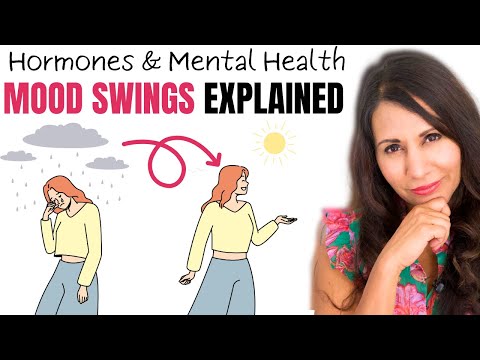
You know those days when your mood feels like a rollercoaster? One minute, you’re on top of the world, and the next, you’re just… ugh. Seriously, it can be a wild ride.
Women often experience mood swings linked to various factors—hormones, stress, life changes. It’s kind of like being on an emotional seesaw.
But here’s the thing: understanding these ups and downs can make a huge difference. It’s not just about feeling “crazy” or “emotional.” There’s so much more to it.
So let’s chat about women’s mood swings in a mental health context. We’ll explore what’s going on and how to navigate this tricky terrain together. Sound good?
Effective Strategies to Manage Mood Swings in Girls: A Comprehensive Guide
Managing mood swings can feel like riding a rollercoaster, especially for girls navigating all those emotional ups and downs. When you’re in the thick of it, it can be overwhelming, but no worries! Let’s break down some effective strategies that can really help.
First off, understanding your moods is super important. Sometimes, keeping a mood journal can be eye-opening. You just jot down how you’re feeling throughout the day. This way, you might notice patterns or triggers tied to certain events or even your cycle. Like, if you get cranky every time you’re about to get your period, that’s key information!
Another great tool is deep breathing exercises. Sounds simple? It really is! When you feel those emotions bubbling up, just take a few minutes to breathe deeply. Inhale for four counts, hold for four counts, and exhale for eight counts. It’s kinda like pressing the reset button on your brain.
Also, don’t forget about physical activity. Seriously! Exercise releases endorphins—those little feel-good chemicals in your brain. Even a brisk walk around the block or dancing to your favorite song at home can boost your mood and shake off that funk.
Having a support system is also crucial. Talk to friends or family about how you’re feeling; sometimes just sharing what’s going on helps lighten the load. If you’re comfortable doing so, consider joining groups or activities where girls talk about their experiences with mood swings too. You might find it’s more common than you think!
Now let’s chat about nutrition. What you eat can influence how you feel! Try to include foods high in omega-3 fatty acids (like salmon) and whole grains—they’re known to help with mood stabilization. Plus, staying hydrated keeps your energy levels steady.
Don’t underestimate the power of good sleep. Lack of sleep can totally spike your emotions! Aim for at least 7-9 hours each night if possible. Create a calming bedtime routine—maybe read a book or listen to soothing music before dozing off.
And hey, sometimes professional help is key too! If mood swings become too intense or frequent and start disrupting daily life—consider talking to a therapist or counselor who specializes in teen mental health. They can provide tailored strategies just for you.
Lastly, remember that it’s totally okay not to be okay all the time! Allow yourself to feel those emotions without judgment; they are valid and part of being human.
By using these strategies together—like keeping track of feelings while also prioritizing self-care—you’ll start managing those mood swings much better over time! It won’t happen overnight; be patient with yourself as you figure things out—it’s all part of the journey.
Discover the Hormone Behind Mood Swings in Women: Understanding the Impact on Mental Health
Mood swings can be a real rollercoaster, especially for women. You know, those times when you feel on top of the world one moment, and then suddenly down in the dumps the next? A lot of this can be traced back to hormones—specifically, estrogen and progesterone. These two play a huge role in how you feel.
Estrogen fluctuates naturally during your menstrual cycle, with levels rising and falling at different times. When estrogen is high, you might feel energetic and emotionally balanced. But as it drops, that can lead to irritability or sadness. Ever had that moment before your period starts where you’re just not yourself? That’s likely your body reacting to these hormonal changes.
Now, let’s talk about progesterone. This hormone tends to creep up after ovulation. It’s known for its calming effects, but when its levels suddenly drop right before menstruation, it can trigger mood swings or anxiety. Imagine feeling like everything is too much just because your hormones are playing tricks on you—that’s pretty common!
These emotional ups and downs aren’t just annoying; they can seriously impact mental health too. When a woman feels consistently moody or irritable due to hormonal shifts, it might pave the way for more serious issues like anxiety or depression down the road.
The thing is—hormonal changes don’t only happen during your cycle. They can also dip and dive during pregnancy or menopause. For instance, during pregnancy, some women may find they’re crying at commercials or feeling heightened emotions about relationship stuff. It’s wild how hormones can turn things upside down!
There’s also PMS, which stands for premenstrual syndrome—a group of symptoms including mood swings that many experience before their period kicks in. And there’s PMDD (premenstrual dysphoric disorder), which is more severe and affects daily life significantly.
It might help to keep track of your moods alongside your cycle using an app or simple journal—you’d be surprised how much insight that gives you! Recognizing patterns makes it easier to prepare for those emotional dips.
So yeah, hormones play a major role in mood swings for women—it’s not just “in your head.” Understanding what’s happening inside your body makes it easier to navigate those rough patches with empathy toward yourself.
If things get really tough though—like if mood swings are affecting relationships or work—it could be worth reaching out to a therapist or healthcare professional who gets this stuff. Sometimes having someone to talk through what you’re feeling offers relief and new perspectives on managing moods tied to hormonal changes.
Understanding Mood Swings: The Impact of Menstrual Cycles on Women’s Emotions
Mood swings can feel like a rollercoaster, right? For many women, these ups and downs are often tied to their menstrual cycle. It’s not just in your head; there are real biological reasons behind it. Let’s break down how these cycles can mess with your emotions and what you might need to keep in mind.
The Menstrual Cycle Phases
Your menstrual cycle has several phases: the follicular phase, ovulation, the luteal phase, and menstruation itself. Each of these phases brings changes in hormone levels, which play a big role in how you feel emotionally.
- Follicular Phase: This is when your period ends and estrogen starts to rise. You might feel more energetic and upbeat during this phase.
- Ovulation: Around the middle of your cycle, you’re flooding with estrogen. A lot of women report feeling really good here—maybe even more social and confident.
- Luteal Phase: After ovulation, progesterone kicks in. This can bring on irritability or sadness for some people. Mood swings are common during this time.
- Menstruation: As your body sheds the uterine lining, hormone levels drop again. Symptoms like fatigue or sadness can surface.
The Hormonal Rollercoaster
The real culprit behind mood swings is the hormones! Estrogen boosts serotonin—the feel-good chemical—while progesterone is linked to feelings of anxiety or depression when it’s high. So when those hormones start shifting, it can be like someone flipped a switch on your emotions.
When I think about this topic, I remember my friend Sarah. She’d be laughing one day and then feeling totally down the next week before her period started. She felt ashamed sometimes but didn’t realize her hormones were playing a huge part! It really helped her to understand what was going on—it wasn’t just “her being moody.”
The Impact on Mental Health
For some women—and we’re talking 50-80% here—these mood swings can reach beyond simple irritability into serious symptoms like anxiety or depression. If you’re already dealing with mental health issues, these fluctuations can complicate things even more.
It’s important to keep an eye out for patterns because understanding when you might be more vulnerable emotionally could help you take action ahead of time—like planning self-care activities during tougher days.
Coping Strategies
There are ways to manage those mood swings:
- Stay Active: Regular exercise helps stabilize emotions through endorphins.
- Meditation or Mindfulness: These practices can ground you during emotional highs and lows.
- Nutritional Choices: Eating balanced meals with nutrients that support hormonal health can make a difference.
- Pacing Yourself: Know when to say no if you’re feeling overwhelmed.
At the end of the day, recognizing that mood swings related to menstrual cycles are normal is essential. You’re not alone in this journey; understanding it better allows for more compassion toward yourself during those tough weeks.
So next time you find yourself riding those emotional waves, remember: It’s all part of the cycle! And knowing what’s happening with your body can help you ride it out a little smoother.
You know, navigating women’s mood swings can be a bit of a roller coaster sometimes. I remember chatting with my friend Sarah. She’s got this fiery personality, always the life of the party. But there are moments when she just… shuts down completely. I never really grasped what was happening until she opened up about it one day.
So, mood swings can be influenced by so many things, right? Hormones play a huge role in this but it’s not just that. You could be dealing with stress, relationships, work pressure—whatever life throws at you can affect your mood. One minute you’re on top of the world and the next, it feels like everything’s crashing down around you.
It’s also worth mentioning how society views these mood swings. Sometimes women get labeled as «overly emotional» or «hormonal.» That can feel pretty invalidating, don’t you think? Imagine trying to explain how you’re feeling only to have someone brush it off as just “being a woman.” It’s frustrating!
In mental health contexts, acknowledging these fluctuations is crucial. When Sarah started therapy, her therapist helped her recognize patterns in her emotions and triggers that she never noticed before. It was like flipping a light switch on for her! Armed with strategies to handle those waves of emotion better, she started feeling more in control.
But here’s the thing: just because someone has moods that swing doesn’t mean they’re weak or unstable. Actually understanding those feelings and finding ways to cope—like mindfulness or talking it out—can make all the difference.
At the end of the day, it’s about support and understanding each other’s experiences without judgment or stereotypes messing everything up. Life can be tough enough without feeling like you have to battle your own feelings while also dodging societal expectations. Just being there for someone who’s riding those emotional waves can help them feel seen and heard; that can change everything!