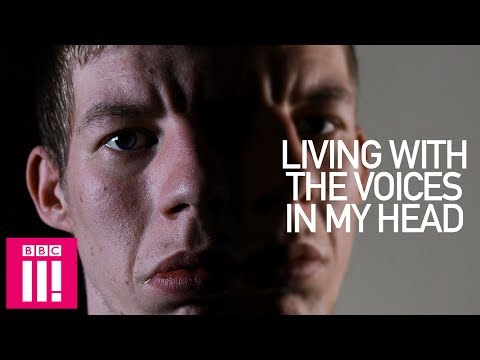
You know, we often talk about mental health like it’s this big, scary thing. But for some people, there’s a whole other layer to it.
Imagine hearing voices that aren’t there. Or feeling like the world is playing tricks on you. That’s the reality for many who live with schizophrenia.
It can be tough to wrap your head around that experience. Like, how do you even explain the unexplainable?
In this piece, we’re gonna dig into what it’s like to live with schizophrenia. We’ll also hear some stories—real voices from bathroom walls and beyond.
So grab a seat and let’s chat about it!
Identifying the First Red Flag of Schizophrenia: Key Signs to Watch For
Schizophrenia can be a really tricky condition to understand, especially when you’re trying to spot the early signs. You’d think it would be super obvious, but the first red flag often gets missed, like a whisper in a crowded room. So let’s break this down together.
One of the initial signs to look for is changes in perception. This might include hearing voices or seeing things that aren’t there. Imagine being in a quiet bathroom, and suddenly you hear someone talking to you. It’s not just your imagination playing tricks; it can feel very real, which is why it’s so confusing for those experiencing it.
Another thing to watch for is changes in mood. A person might go from being their usual self to feeling really withdrawn or flat. They might not care about things they once enjoyed, like hanging out with friends or even taking care of themselves. It’s like watching someone slowly fade away—a slow dimming of their spark.
Then there’s disorganized thinking, which can show up as jumbled speech or trouble concentrating. Picture having a conversation where someone jumps from topic to topic without any connection between them—it can be hard to follow and make sense of what they’re saying.
Also, pay attention to any sudden changes in their behavior—like becoming paranoid or thinking others are out to get them. You know that feeling when you catch yourself looking over your shoulder? For someone experiencing these symptoms, that can turn into an overwhelming fear that feels all too real.
The thing is, identifying these signs early is crucial because treatment can make a world of difference. Early help doesn’t just mean better management; it gives individuals the chance to maintain relationships and stay functional in daily life.
It’s tough when loved ones show signs like this—you want to help but might feel lost on how exactly to approach them. If you’re noticing one or more of these red flags, encourage them gently towards getting professional support; it’s so important. Who knows? Maybe together you’ll navigate through this challenging experience with compassion and understanding.
Understanding Schizophrenia: Insights from ‘Voices from Bathroom Walls’ on YouTube
Schizophrenia is one of those mental health conditions that can feel super complicated, but it doesn’t have to be. You might’ve stumbled upon a video like “Voices from Bathroom Walls” on YouTube, which shines a light on what living with schizophrenia can be like. So, let’s break it down together and see what insight we can get from those experiences.
What is Schizophrenia?
Basically, it’s a serious mental disorder that affects how a person thinks, feels, and behaves. It can mess with your perception of reality—you know? Someone might hear voices or see things that aren’t really there.
A common stereotype is that people with schizophrenia are violent or dangerous, but that’s just not accurate. Most folks with this condition are more likely to harm themselves than others. Schizophrenia often shows up in late adolescence or early adulthood, and the symptoms can vary widely.
Voices from Bathroom Walls
Now, about that video—it does a good job of portraying the **internal struggle** someone might go through. Imagine being in a crowded bathroom where your head is filled with chants or voices talking over you. That’s a glimpse into what auditory hallucinations can feel like.
In the video, the main character faces daily challenges just trying to navigate life while dealing with these relentless voices. Sometimes they sound reassuring, but other times they’re downright scary—telling them they’re worthless or alone. It’s kind of heartbreaking because you realize how isolating schizophrenia can be.
Common Symptoms
Here are some key symptoms often highlighted in stories about schizophrenia:
Living through this isn’t easy; I remember speaking to someone who had their first psychotic episode as a teenager. They described feeling trapped inside their mind as if reality was slipping away bit by bit—it was intense to hear.
Treatment Options
Understanding schizophrenia doesn’t stop at recognizing symptoms; treatment plays a huge role too! Here’s what’s typically involved:
So yeah, «Voices from Bathroom Walls» gives us an artistic glimpse into one person’s experience living with this disorder—not just dry facts but real feelings too.
Overall, understanding schizophrenia through art and media helps break down stigma surrounding mental illness. The more we talk about it honestly—as seen in this YouTube video—the easier it will be for those affected to find compassion and support in their daily lives. Remember: Everyone’s journey looks different; empathy goes a long way!
Exploring Schizophrenia: Real Voices from Bathroom Walls and Their Impact on Mental Health
Schizophrenia is one of those mental health conditions that can really shake your perception of reality. It’s complex, and often people hear voices or see things that aren’t there. Picture someone sitting in a public restroom, whispers swirling around them; to an outsider, it looks like they’re just talking to themselves. But in the mind of someone with schizophrenia, those voices are very real.
Voices from Bathroom Walls is a phrase that really captures the essence of how some people experience this condition. The “bathroom” part might make you think of solitude, like finding peace behind closed doors. Instead, it can be a chaotic symphony of conflicting thoughts and sounds. Imagine trying to have a conversation with friends while someone’s playing loud music in the background—you can get distracted pretty easily, right?
Here’s the thing: those auditory hallucinations often feel like they come from outside oneself. You might hear whispers, laughter, judgement—whatever! It doesn’t stop there because these voices can affect self-esteem and relationships too. You just want to enjoy life but suddenly feel overwhelmed by thoughts that aren’t actually yours.
So how does this impact mental health? Well, it’s not just about hearing voices; it’s about feeling isolated. Many individuals with schizophrenia struggle to connect with others because friends and family might not understand what they’re going through. Stigma plays a huge role here; people may judge or misunderstand them based on misconceptions about the disorder.
It’s also common for folks dealing with schizophrenia to find themselves caught in a cycle where stress triggers symptoms—like hearing even more voices or feeling paranoid. And guess what? That stress can come from daily situations, work pressures, or even social gatherings that others might enjoy without issue.
Support systems are crucial here. Having someone who listens without judgment makes a world of difference! Treatment often includes therapy and sometimes medication—but let me tell you, it’s not always straightforward! Finding the right balance takes time and patience.
In summary, schizophrenia is more than just hearing voices from bathroom walls; it’s about navigating life while sifting through overwhelming sounds and feelings that don’t align with what everyone else experiences. By focusing on understanding and empathy instead of stigma, we can create spaces where real conversations happen—where individuals feel seen and heard rather than pushed aside into silence.
You know, it’s pretty easy to brush off the idea of hearing voices as something out of a horror movie. But for many people living with schizophrenia, it’s just part of their day-to-day life. I was reminded of this when a friend shared her story, and it hit me hard. She described sitting in her tiny bathroom, sobbing on the floor while the voices around her seemed to echo off the walls. Those “bathroom walls” weren’t just tiles; they were like her own personal cage, amplifying every word tugging at her mind.
When you think about it, voices can feel so real—like they’re right there with you. It’s not just whispers of doubt or worry either; they can be angry shouts or even tender lullabies. It’s like having an audience critiquing your every move, and that can get downright overwhelming. Imagine trying to figure out your grocery list while someone’s berating you for not buying enough vegetables! Sounds exhausting, huh?
But here’s where it gets complicated. The stigma surrounding mental health issues, especially something like schizophrenia, often makes people reluctant to talk about their experiences. It feels vulnerable to admit you’re hearing voices or struggling within yourself. You worry that people won’t understand; they might judge or look at you like you’re strange.
The tough part is that those voices don’t define who someone is—they’re just part of the experience. They could tell you one thing but don’t reflect reality, and dealing with that disconnect takes strength and loads of support. Therapy becomes this crucial lifeline for so many folks on this journey. A good therapist helps sift through what’s real and what’s just noise.
And all this makes me think about empathy too. When we hear someone say they see things others don’t or hear things no one else hears, our instinct might be to shy away or offer platitudes like “just ignore them.” But really listening allows us to appreciate their reality a bit more deeply.
It reminds me: we all have our own battles—some visible on the surface and some lurking beneath bathroom tiles or behind closed doors. That vulnerable moment my friend shared made me realize how important it is to create space for these conversations without judgment because that’s where healing starts happening—for everyone involved!