You know how life can throw curveballs at you? Like, one minute, everything’s chill, and the next, you’re feeling overwhelmed. It happens to all of us.
That’s where mental health comes in. It’s super important to talk about it, and even more vital to know where to find help.
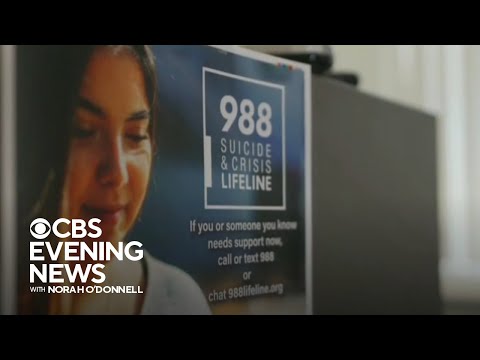
Ever heard of 988? Yeah, it’s a big deal for mental health support. They’re like the superheroes of emotional crises!
But wait, there’s more! Working with 988 isn’t just about saving people in distress; it’s about building a career that helps others every day. How cool is that?
So let’s chat about how you can support mental health through careers at 988—and why it could be your next great adventure!
“Exploring Career Opportunities: Working at a Crisis Hotline and What You Need to Know”
So, thinking about a job at a crisis hotline? That’s a big deal. Working with 988, the National Suicide Prevention Lifeline, means getting involved in something really meaningful. You’re stepping into the ring to help people who are having a tough time. Let’s break down what that looks like and what you might need to keep in mind.
First off, what does a crisis hotline do? It’s pretty straightforward. People call when they’re feeling overwhelmed, anxious, or even scared about their mental health. A crisis counselor listens and supports them—kind of like being a lifeline during their darkest moments.
Now, if you’re thinking about this as a career path, here are some key things to know:
- Training Is Key: Most organizations look for experience in mental health or psychology. But don’t worry! Many places offer training programs for newcomers.
- Communication Skills Matter: Being able to listen without judgment is huge. It’s all about making the caller feel heard and understood.
- Emotional Resilience: You’ll hear some heavy stuff. It can be tough on your own emotional health, so it’s important to have tools for self-care.
- Crisis Intervention Techniques: Familiarity with techniques like active listening and de-escalation strategies is really helpful.
- A Commitment to Confidentiality: You have to respect privacy. Callers need to know they can trust you with their deepest fears.
Let me share an example. Imagine someone calls in feeling completely lost after a breakup and saying they don’t see the point of going on. Your job is not just to talk but also to connect them with resources or help them find coping strategies until they can get more support.
And it doesn’t stop there! The benefits of working in this field are also significant. You’re helping save lives and making real connections with people who are struggling. The sense of purpose can be incredibly fulfilling.
But let’s be real—there’s a lot of pressure too. Some days will be harder than others, and burnout can be real if you’re not taking care of yourself properly afterwards.
So, whether you’re considering volunteering or looking for full-time work in this field, know that working at a crisis hotline is more than just answering calls; it’s about being there for someone when they need it most.
In short: if you think you’ve got what it takes—patience, empathy, resilience—this could be your calling!
Is 1-800-273-8255 Still Available? Understanding the Lifeline for Mental Health Support
Sure! So, let’s talk about the National Suicide Prevention Lifeline—which you might know by its number: 1-800-273-8255. This has been a crucial resource for folks in crisis, providing 24/7 support to anyone in emotional distress or thinking about suicide.
Well, here’s the scoop: yes, that number is still available. But there’s been a shift recently. Now, you’ll also hear about 988, which is the new three-digit code that connects you directly to the National Suicide Prevention Lifeline. This change makes it easier for people to reach out when they really need help, since it’s way simpler to remember and dial.
So why did they do this? Good question! The aim was to increase accessibility. You know how sometimes people hesitate to call because they’re not sure what number to dial? With 988, it’s just a quick call away, making help feel closer and more attainable.
Here’s how it works:
- If you call 988, you’re connected with trained counselors who can offer support and guidance.
- The Lifeline is confidential and free of charge, so there shouldn’t be any worries about cost when reaching out.
- You can call if you’re struggling yourself or if you’re worried about someone else—either way you’re not alone.
Let me share a quick story. A friend of mine once faced a really tough time after losing her job. She felt overwhelmed and isolated. One night, she decided to call the Lifeline and ended up talking with someone who really listened without judgment. That conversation helped her find local resources and even reconnect with her passion for art therapy, which she had kind of pushed aside before.
Now back to the services—aside from direct calls, the Lifeline has expanded its reach by providing various options like text support and online chat through the same platform. The idea is that no matter where you’re at or how you prefer to communicate, there’s an option for you.
It’s also worth mentioning that while calling or texting works great for immediate support, deeper ongoing help may involve finding a therapist or counselor who can work with you over time. And hey—the Lifeline can connect you with resources in your area too if that’s what you need!
To sum things up: yes, 1-800-273-8255 is still operating alongside new services offered through 988. They’re both powerful lifelines for anyone navigating mental health challenges—you don’t have to go through tough moments alone!
So next time someone mentions feeling down or overwhelmed? Remind them they’ve got options—like calling one of these numbers—and that there’s always hope on the other end of the line!
Explore Remote Job Opportunities with the 988 Mental Health Hotline
So, you’ve probably heard about the 988 Mental Health Hotline. It’s pretty crucial for anyone in need of support or someone just to talk to. But did you know there are remote job opportunities there? Yeah, it’s true! This can be a rewarding career path for those who want to make a difference in mental health.
First off, what exactly is the 988 hotline? Well, it’s a national hotline that connects people in emotional distress with trained counselors. When someone calls, they get immediate support without judgment. Imagine being that person on the other end—making someone feel heard and less alone. It’s a big deal!
Now let’s break down some remote job roles available at 988:
- Crisis Counselor: As a crisis counselor, you would provide emotional support over the phone or chat. Think of it like guiding someone through their rough patches while they’re feeling overwhelmed.
- Call Center Manager: If you’re more into organization and leadership, this role involves overseeing operations and ensuring quality service. You’d be responsible for making sure counselors have everything they need to help.
- Training Specialist: This role focuses on training new staff members on effective crisis intervention techniques. Your goal would be to equip them with skills needed for real-world situations.
- Outreach Coordinator: This position is about connecting with communities to spread awareness about 988 services. You’d work on campaigns and partnerships—kind of like being a cheerleader for mental health!
Each of these jobs has its own unique challenges but also rewards. For instance, working as a crisis counselor can be emotionally demanding—you hear tough stories every day—but many find it fulfilling to help others.
If you’re wondering what qualifications you might need, they can vary based on the position. Generally speaking, experience in mental health support or counseling can be beneficial but not always required for entry-level roles. Many organizations also provide training.
One thing to keep in mind is the importance of self-care while working in such an emotionally intense field. People tend to forget this part! Burnout is real for those who work in mental health hotlines; taking breaks and processing your feelings is essential.
The hotlines operate 24/7, which means flexible hours could be possible if you’re balancing other commitments or just prefer non-traditional hours.
Finally, applying for these roles isn’t too complicated! You usually just need an online application along with your resume and cover letter highlighting your passion for mental health support.
So yeah, considering a remote job at the 988 hotline could be an amazing way to contribute positively while working from home—or wherever you feel comfy!
You know, when we talk about mental health support, it’s so crucial to consider how people can help each other through their jobs. It’s like a big team effort, really. And that’s where careers at 988 come into play.
Imagine this: Someone’s having a rough day, feeling all those heavy emotions like anxiety or sadness. They pick up the phone and call 988. Here comes a dedicated human on the other end, trained to listen and provide hope. That connection? So powerful! It can make all the difference for someone who feels lost in their thoughts.
Now, working in mental health support isn’t just about answering calls. It’s about being that calm voice during a storm—for many people battling with different issues like depression or substance use problems. It takes patience, empathy, and strength to guide someone through their darkest hours. But guess what? Those working in this field often find that they grow personally too; it’s a shared journey of understanding and resilience.
I remember chatting with a friend who used to work as a crisis counselor. She shared some stories that made my heart ache but also swell with inspiration. One person she helped had felt utterly isolated but ended up finding the courage to seek therapy after their call. Those moments where you realize you’ve actually impacted someone’s life? Unforgettable!
Careers at 988 are vital because they not only provide immediate assistance but also foster long-term change in people’s lives. If you think about it—you’re not just clocking in and out of a job; you’re contributing to a larger cause of healing and compassion.
And let’s be real for a second—mental health is becoming more talked about these days, but there’s still stigma attached to it. The folks working at 988 help chip away at that by showing vulnerability is okay, that asking for help is strong! So when you support these careers, you’re supporting an entire community striving for better mental wellness.
It’s like being part of this ongoing conversation—a movement even—towards understanding our minds better and caring for one another unconditionally. And honestly? That sounds like something worth cheering for!