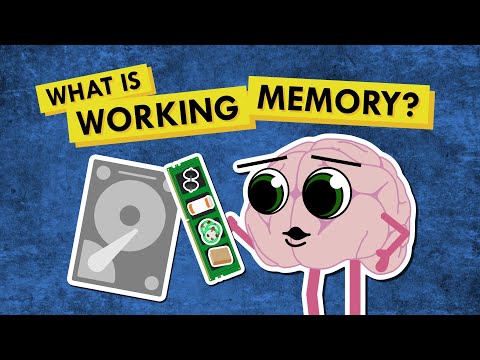
You know that feeling when your brain’s just too full? Like you’re trying to fit a whole bunch of stuff into a tiny backpack, and it’s bursting at the seams? Yeah, that’s working memory overload.
It hits us all at some point, especially when life throws curveballs—work stress, family chaos, or even just keeping up with everyday tasks. It can feel like you’re juggling too many balls and waiting for them all to drop.
But hey, you’re not alone in this!
Let’s chat about what it feels like and how we can manage the wild ride of our busy brains. Seriously, I’ve been there too. It can be a lot, but we can figure this out together.
Effective Strategies to Improve Poor Working Memory and Boost Cognitive Performance
So, you’re feeling a bit overwhelmed and your working memory just isn’t cutting it. It’s frustrating, right? Working memory is like your brain’s sticky note—keeping a little bit of information handy for tasks at hand. When it’s overloaded, everything becomes a jumbled mess. But, there are some effective strategies to help you boost that memory power and manage the mental load.
First off, let’s talk about organization. Creating a structured environment can really lighten the burden on your working memory. Try keeping a planner or digital calendar to jot things down. Seriously, seeing things in writing can keep them from floating around in your head! Also, color-coding tasks can help make info stand out better.
Next up is chunking. This means taking larger bits of information and breaking them down into smaller, manageable parts. Say you need to remember a grocery list. Instead of trying to remember “milk, eggs, bread, bananas,” chunk it into “dairy: milk & eggs” and “fruits: bananas.” It’s way easier!
- Repetition helps too. Repeating information can solidify it in your brain. Try saying it out loud or writing it down multiple times until it sticks.
- Meditation is underrated. Spending just a few minutes each day focusing on your breath can clear up that mental fog and improve focus.
- Healthy habits matter. Regular exercise pumps oxygen to the brain while sleep recharges everything. Skipping sleep? Not such a great idea when you want to remember stuff!
You’d be surprised how much hydration matters as well! Keep yourself hydrated because dehydration can lead to concentration issues. How simple is that? Just make sure you’re sipping water throughout the day.
An interesting technique is visualization. When trying to memorize something new, picture an image in your mind related to what you’re learning. This adds another layer to how you recall info later on—it makes sense because our brains love visuals!
If you find yourself multi-tasking often—like juggling work emails while discussing dinner plans—you might want to cut back on that too. Multi-tasking tends to overload our working memory even more than usual! Focus on one thing at a time; it’s like giving your brain room to breathe.
I once knew someone who struggled with this issue big time during college; they would write every detail of their assignments on Post-it notes all over their room but still felt lost! Once they switched their approach—establishing routines and using manageable chunks—they saw some real change over time! You see what I mean?
The key takeaway here is that improving working memory takes practice. By adopting these strategies consistently over time, you’ll definitely start seeing those cognitive gains kick in.
So go ahead and give these techniques a whirl—you might be surprised at how much lighter that mental load feels!
Understanding the Connection Between ADHD and Impaired Working Memory
So, let’s talk about ADHD and working memory. You know, working memory is like the brain’s little scratchpad. It helps you hold onto information for short periods—like when you’re trying to remember a phone number before you dial it or keeping track of where you left your keys.
When someone has ADHD (Attention-Deficit/Hyperactivity Disorder), their working memory can be impacted in a pretty significant way. It’s like having too many tabs open on your computer, and the system just kinda slows down. This can lead to challenges in daily life, especially when trying to focus on tasks or remembering important details.
- Inability to prioritize: People with ADHD might struggle to remember what tasks are most important. So, if you’re juggling several things at once, like work deadlines and personal errands, some might just slip through the cracks.
- Easily distracted: With impaired working memory, it’s easy to get sidetracked. You could be in the middle of a project but get distracted by an email or a notification—next thing you know, you’ve forgotten what you were doing!
- Difficulties following instructions: If someone tells you three things to do at once, there’s a good chance you’ll forget one of them. For those with ADHD, retaining multi-step instructions can feel super overwhelming.
A friend of mine often shares how frustrating this can be for him. He has ADHD and remembers feeling totally lost during group projects in school because he could never keep track of what everyone was saying or what needed to be done next. That constant struggle really took a toll on his self-esteem—he felt lazy or absent-minded when really it was just his brain working differently.
Coping with these kinds of memory overloads is tough but manageable. Many people find using tools like reminders on their phones or note-taking apps incredibly helpful! Some even use visual aids like charts or sticky notes all over their space—it might look chaotic but hey, whatever works for you!
The connection between ADHD and impaired working memory can feel heavy at times. But recognizing how this dynamic plays out in your daily life can be the first step toward managing it better. It’s all about finding those strategies that resonate with how your brain ticks—and that takes time! So hang in there; figuring this out is part of the journey.
Understanding the Causes of Poor Working Memory: Key Factors and Insights
Okay, let’s chat about working memory. You know, that mental sticky note we use to hold onto bits of information while juggling other stuff? Sometimes, it just doesn’t work like it’s supposed to. Poor working memory can mess with your daily life big time.
So, what causes poor working memory? There are quite a few factors at play here. Let’s break it down:
- Aging: As we get older, our brain can slow down a bit. This might mean less efficient working memory. It’s not just you! Even my grandma sometimes forgets where she put her glasses.
- Stress: When you’re stressed out, your brain is kinda like a teenager who can’t find their room in the chaos. High stress levels can cloud your thinking and make it really hard to remember things.
- Lack of sleep: Sleep and memory are best buds. If you’re tossing and turning at night, your ability to hold onto information in the short term takes a hit. Ever tried cramming for an exam after a sleepless night? Not fun!
- Nutritional deficiencies: Seriously, what you eat matters! A diet lacking in essential nutrients can affect brain function. Omega-3 fatty acids and vitamins like B12 are key players here.
- Mental health conditions: Issues like anxiety or depression can seriously interfere with how well our brains work. If your mind is racing or feeling heavy with sadness, remembering things becomes much tougher.
- Cognitive overload: This happens when you’re trying to juggle too many tasks or pieces of information at once. Think about multitasking—doing that while forgetting the most important stuff is super common.
If you’ve ever felt this way—like you were writing an essay while also trying to remember where you parked your car—you get the picture!
Coping with working memory overload? That’s also crucial! Here are some ways to lighten the load: Take breaks more often—seriously, step away from that screen! Break tasks into smaller bits; it’s easier on the brain when it doesn’t have to handle everything all at once.
You can also try mindfulness techniques or simple breathing exercises; calming those nerves helps clear up mental space a lot of times. It’s like giving your brain a mini vacation.
The thing is, understanding these causes isn’t just for academic purposes—it really helps you find ways to cope better in life every day!
You’ve got this! Remembering that working memory isn’t set in stone can be empowering—you’re not alone in this struggle!
You know that feeling when your brain just feels full? Like, it’s a bit too crowded up there with thoughts, tasks, and reminders all jostling for space? That’s working memory overload. It sneaks up on you, especially when life gets busy. You’re juggling work deadlines, family obligations, and a million little things that need your attention. And then suddenly it hits you—you can’t remember if you left the oven on or if you sent that important email. Seriously stressful!
I remember one time I was trying to plan my week while also helping my kid with their homework and cooking dinner. My head was spinning with grocery lists and appointments, and I totally blanked out on a meeting I had scheduled. When the reminder popped up, I felt this wave of panic wash over me. I mean, how could I forget something so crucial? It was like being trapped in a storm of thoughts—nothing felt clear or easy.
So what do you do when your brain feels like it’s about to burst? One thing is to simply take a step back. Seriously, just taking a moment to breathe can help clear some of that mental clutter. Sometimes the best thing is to jot down those swirling thoughts or tasks—putting them on paper can make them feel less overwhelming.
Also, prioritizing is key! Not everything has to be done right this second. We tend to think we have to tackle every little thing immediately, but that just piles on stress. Learning to let some things slide or delegating can be such a game changer.
And hey—don’t underestimate the power of breaks! A quick walk outside or even just stepping away from your screen for five minutes can reset your thoughts and keep overwhelm at bay.
It’s all about finding what works for you because dealing with the chaos that comes from working memory overload isn’t easy. But recognizing it is the first step towards lightening that mental load! You follow me?