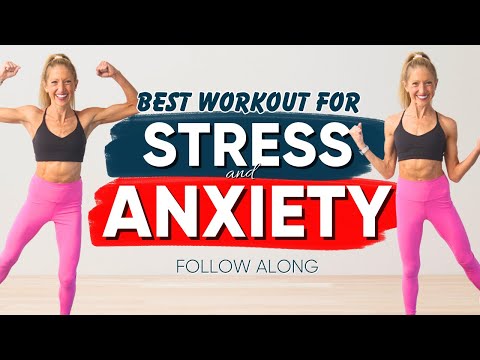
You know that feeling when anxiety hits you like a ton of bricks? Yeah, it can be pretty rough. It’s like your mind just won’t shut off.
But here’s something interesting: moving your body can actually help. Seriously, exercise isn’t just about getting fit or losing weight. It can clear your head and make those worries feel a bit lighter.
Ever had a rough day and then took a walk? Or maybe you hit the gym and felt a little more human afterward? It’s not magic; it’s science. Exercise boosts those feel-good chemicals in our brains.
So, let’s chat about how getting up and moving might be just what you need to ease that anxiety and uplift your mood. Sound good?
10 Effective Mental Exercises to Alleviate Anxiety and Boost Resilience
Anxiety can feel like a heavy backpack that just won’t come off your shoulders. But you know what? There are some mental exercises that can help ease that load and even build up your resilience. Just grabbing those tools and practicing them regularly can really empower you.
1. Deep Breathing
It sounds super simple, but trust me on this one! Taking deep, slow breaths helps calm your nervous system. Just find a quiet spot, close your eyes, and breathe in through your nose for four counts, hold for four counts, then out through the mouth for six counts. You’ll feel the tension start to melt away.
2. Grounding Exercises
When anxiety hits hard, grounding techniques can bring you back to the moment. Look around you and name five things you can see, four things you can touch, three things you hear, two smells, and one thing you taste. This helps anchor you in reality instead of spiraling.
3. Journaling
Writing can be incredibly therapeutic. You could jot down your thoughts or feelings about anything that’s bothering you or even write about what you’re grateful for that day. This helps get those racing thoughts out of your head and onto paper.
4. Visualization
Imagine a safe space where you feel comfortable and relaxed—maybe a beach or a cozy room. Close your eyes and visualize every detail: the colors, smells, sounds… everything! This trick transports your mind away from stressors and into tranquility.
5. Mindfulness Meditation
Sitting still with your thoughts might sound daunting at first but try it! Spend just five minutes focusing on your breath or the sensations in your body without judgment; it’s all about being present without getting caught in worry about past or future.
6. Affirmations
Positive affirmations are like little pep talks for yourself! Stand in front of the mirror each morning and say something positive like “I am strong” or “I can handle what comes my way.” It may feel strange at first but it sets a good tone for the day!
7. Cognitive Restructuring
This one’s about shifting negative thinking patterns into positive ones—easy right? If you’re overwhelmed by «I can’t handle this,» try flipping it to «I will find ways to cope.» It takes practice, but you’ll get better over time!
8. Progressive Muscle Relaxation (PMR)
Tension often lives in our bodies without us even realizing it! PMR involves tensing each muscle group then relaxing them systematically from head to toe or vice versa; this helps recognize where you’re holding stress physically.
9. Gratitude Lists
Every night before bed (or whenever), write down three things you’re thankful for that day—big or small! Maybe it’s someone smiling at you or enjoying good food; this shifts focus from anxiety to appreciation.
10. Seek Connection
Reaching out to someone—a friend or family member—for support is vital too! Sometimes just venting out loud makes those thoughts less overwhelming; others might even offer new perspectives that’ll lighten what feels heavy inside.
Implementing these exercises isn’t about quick fixes but building resilience over time—you’re crafting habits that make facing life’s challenges easier along the way! So seriously consider weaving some of these practices into your routine—you could really notice a difference in feeling grounded amidst the stormy seas of anxiety.
Effective Mental Exercises to Alleviate Anxiety and Depression
Mental exercises can be a game-changer when dealing with anxiety and depression. Seriously, sometimes your brain just needs a little workout to help ease the heavy stuff. Here’s how you can incorporate some effective mental exercises into your routine.
1. Mindfulness Meditation
You know that feeling when your mind is racing and you just can’t catch a break? Mindfulness meditation can help ground you. Basically, it’s all about bringing your attention to the present moment without judgment. You sit quietly, focus on your breath, and notice if your thoughts wander—then gently bring them back. Even just five minutes a day can make a difference.
2. Gratitude Journaling
Sometimes, we get so lost in our worries that we forget about the good stuff in life! Keeping a gratitude journal can shift that focus. Each day, write down three things you’re thankful for. It doesn’t have to be anything grand; maybe it’s that perfect cup of coffee or a friendly chat with someone. Over time, you’ll notice how this simple exercise lifts your mood.
3. Cognitive Behavioral Techniques
This one’s like giving yourself a mental toolbox! Cognitive Behavioral Therapy (CBT) helps you recognize harmful thought patterns and replace them with healthier ones. For example, if you catch yourself thinking “I always mess up,” challenge that thought by recalling times you succeeded—seriously! Just being aware of those negative thoughts diminishes their power.
4. Visual Imagery
Ever heard of «visualizing» something calming? Think of it like daydreaming but with intention! Picture a peaceful place—a beach or forest—and immerse yourself in that scene for a few minutes each day. What do you hear? Smell? See? This can reduce anxiety levels by giving your mind something positive to focus on.
5. Deep Breathing Exercises
When stress hits hard, taking deep breaths can be an instant relief tool! Try inhaling deeply through your nose for four counts, holding for four counts, then exhaling through your mouth for six counts. Repeat this several times and see how quickly it calms the storm inside—you might feel like you’ve hit the reset button.
6. Engaging in Creative Activities
Whether it’s painting, knitting, or writing poetry—getting creative is an awesome way to express emotions and relieve stress! You don’t have to be an expert; just letting yourself play without judgment brings joy and distracts from anxious thoughts.
7. Positive Affirmations
This one sounds simple but oh man—it works wonders! Pick some phrases that resonate with you like “I am enough” or “I will get through this.” Say them aloud daily or write them around where you’ll see them often—like on sticky notes on your mirror or fridge.
All these exercises may feel small individually but together they pack quite the punch against anxiety and depression! The thing is: everyone’s different, so try out what feels right for you; mix it up until you find what hits home best.
Remember too: if things feel overwhelming or you’re struggling for too long, reaching out for professional support is always an option worth exploring—it’s not just okay; it’s brave!
Top Exercises to Combat Depression and Anxiety: Boost Your Mental Health Naturally
When you’re feeling down or anxious, exercise can be a real game changer. Seriously, just getting your body moving can lift your mood like nothing else. The science behind this is pretty fascinating too. You know how when you exercise, your body releases all those feel-good hormones like endorphins? Yeah, they really do work wonders.
Walking is one of the simplest yet effective ways to boost your mental health. Just a 30-minute stroll around your neighborhood can clear your mind and help those worries fade away. And if you can do it in nature? Even better! It’s like a free therapy session, with fresh air and all.
Yoga has its own kind of magic going on. Not only does it help with flexibility and strength, but it also teaches you how to breathe properly and stay present. Ever been in a class? The way people leave feeling calm and collected is something else! Plus, there are so many styles to explore—finding the right one for you is part of the fun.
Then there’s strength training. Lifting weights or doing bodyweight exercises like push-ups isn’t just about getting ripped; it’s about empowerment too. Feeling strong physically can boost your confidence and self-worth which are huge when tackling depression and anxiety.
Don’t forget about dancing. This one’s super fun! Whether you’re at a class or just grooving in your living room to your favorite playlist, dancing gets that heart pumping while also letting loose all that pent-up energy and frustration.
Group sports are awesome if you enjoy being around people. Joining a local league or club connects you with others while benefiting from the camaraderie. Think soccer, basketball—even ultimate frisbee! The social aspect alone can make things less heavy on your heart.
Then there’s running. Many folks swear by it for anxiety relief—there’s something about hitting that pavement (or treadmill) that just clears the headspace. Plus, it’s super easy to start; throw on some sneakers and go!
Lastly, consider aerobic workouts, whether it’s cycling, swimming or high-intensity interval training (HIIT). These get your heart rate up fast! Just be ready for an adrenaline rush followed by that sweet post-workout glow (and maybe some sweaty smiles).
So yeah, exercising regularly helps so much by providing structure to your day as well as boosting those feel-good chemicals in the brain. It’s not always easy to get started when you’re feeling low but even small steps count—each little workout builds on the last one!
Incorporate whatever sounds most appealing into your routine—just find what makes you feel good while keeping things light-hearted and fun! Your mental health will thank you later.
You know, there’s something really special about that feeling you get after a good workout. It’s like, suddenly the world feels just a bit lighter, right? I remember this one time I was having one of those days where every little thing felt overwhelming. I was sitting on my couch, just feeling stuck in my own head. So, I decided to lace up my sneakers and head outside for a run.
At first, it was tough getting started. Seriously, my brain kept throwing excuses at me like a kid throwing a tantrum. But once I hit the pavement and got moving, it was like magic. Each step seemed to shake off some of that heavy anxiety clinging to me. The fresh air felt refreshing—smelled like freedom! And when I finished, I could hardly believe how much lighter I’d felt.
Look, exercising isn’t just about building muscles or losing weight; it’s that release of endorphins that really does wonders for your mind. Those hormones are basically nature’s mood lifters. It makes sense! When your body gets moving, it kicks off this chain reaction that helps you feel more relaxed and even boosts your self-esteem.
Plus, it’s not only running or hitting the gym that can do this for you. Dancing around your living room to your favorite jam counts too! It’s about finding what makes your heart race—literally or figuratively—and pursuing it joyfully.
But then again, if you’re struggling with anxiety on a deeper level—like panic attacks or overwhelming dread—exercise can definitely help as part of a bigger strategy for healing. It’s about balance and figuring out what works best for you personally.
So next time you’re feeling stressed or anxious, try stepping outside or cranking up some tunes and moving around a bit. You might just find yourself breathing easier and smiling more by the end of it all. And hey, even if it’s just for a few moments, that’s worth something big!