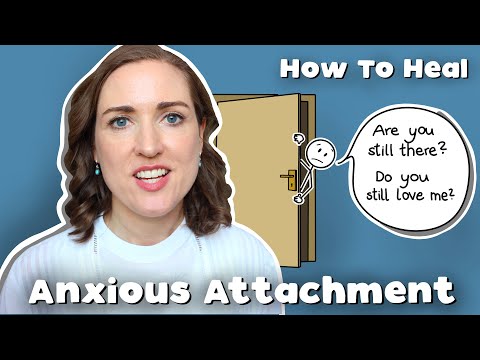
You know that feeling when you’re just waiting for a text? Like, your heart races a bit.
Or when someone’s late, and you start wondering if they’re ghosting you? Yeah, that’s anxious attachment sneaking in.
It can mess with your relationships and even how you see yourself. I mean, it’s wild how our past shapes what we do in the present, right?
But don’t worry! You’re not alone here. So many of us struggle with this stuff. We’re just trying to figure it out while juggling life.
Let’s chat about anxious attachment—what it means and how to work through it without losing your mind. Sound good?
Understanding Anxious Attachment: Take Our Quiz to Improve Your Relationships and Well-Being
Anxious attachment is like that friend who constantly needs reassurance. You know, the kind that texts you multiple times to check if everything’s okay. If you’ve ever felt overly worried about how someone feels about you or if they’ll leave, this might hit home.
So, what does it really mean? Well, anxious attachment usually develops in childhood. It often comes from inconsistent caregiving—like when a parent is sometimes available and sometimes not. This leads to feeling unsure about how loved ones will respond to your needs. You end up craving closeness while also fearing rejection.
When you grow up with anxious attachment, relationships can feel pretty chaotic. You might find yourself constantly seeking validation from partners or friends. And when they don’t respond as quickly as you’d like, panic sets in. It’s like your brain goes on high alert; each silence feels like a potential breakup.
Here are some common traits of anxious attachment:
- Fear of abandonment: You might obsess over what your partner is doing and who they’re with.
- Need for reassurance: Constantly asking if everything’s okay and needing compliments often.
- Overanalyzing communication: Interpreting texts and messages way more than necessary.
- Difficulties trusting others: Even if someone proves to be trustworthy, doubts creep in.
Imagine Sarah, who always panics whenever her boyfriend doesn’t text back right away. She’s convinced he’s losing interest because her mind jumps to worst-case scenarios. This cycle can drain your energy and push people away instead of drawing them in.
But hey, the good news? There are ways to navigate these feelings! Taking time to understand your attachment style can seriously change how you relate to others. If you’re aware of your patterns, you’re more likely to catch yourself before spiraling into anxiety.
You can also work on building self-esteem outside of relationships—like focusing on hobbies or connecting with friends who give you positive vibes. It’s all about finding that balance between closeness and independence.
To help you explore this further, there are quizzes available online that evaluate your attachment style—sort of like a fun but revealing personality test! These quizzes can give you insights into how much anxiety might play a role in your relationships.
So yeah, knowing about anxious attachment isn’t just academic; it’s super practical! By recognizing these patterns in yourself, it becomes easier to communicate needs with partners without playing games or guessing what they’re thinking.
In the end, everyone deserves fulfilling relationships without the constant worry. With some effort and honesty towards yourself and others, improving your emotional toolbox is totally within reach!
Effective Strategies for Nurturing a Relationship with an Anxious Attachment Partner
Navigating a relationship with someone who has an anxious attachment style can be pretty challenging, but it’s totally doable. You just need to have the right mindset and strategies in place. So, what can you do to nurture that connection? Here are some effective ways to help you out.
1. Open Communication
Talk openly about feelings and fears. Anxious attachment often comes with worries about abandonment or insecurity. So, it’s key to create a safe space where your partner feels comfortable sharing their thoughts. Set aside time regularly for these check-ins; it helps them feel valued and heard.
2. Consistency is Key
Being reliable goes a long way. If you say you’re going to call at a certain time, do it! This builds trust over time. Consistency can be their anchor in the sea of worry they might feel.
3. Reassurance Matters
Your partner may need more reassurance than others might typically ask for. Simple statements like “I’m here for you” or “I care about you” can work wonders when they’re feeling unsure about the relationship.
4. Understand Their Triggers
Take the time to learn what triggers their anxiety—maybe it’s silence after an argument or plans changing last minute. Recognizing these signs means you can prepare yourself and the situation better, reducing anxiety for both of you.
5. Encourage Independence
Encourage your partner to engage in hobbies and friendships outside of your relationship too. It helps them build self-esteem and reduces pressure on both sides—“Hey, go hang out with your friends! I’ll be here when you’re back.”
6. Practice Patience
This isn’t something that changes overnight, so be patient with them—and yourself too! Sometimes they’ll have rough days where anxiety clouds everything, but sticking it out together shows commitment.
You know, I once had a friend who was in a relationship like this, and there were times when he felt overwhelmed by his partner’s needs for constant reassurance and contact. They learned that having a “signal” system worked well: when she felt anxious, she’d send him a specific emoji instead of just texting like mad! He’d respond in kind after he had some space—and that gave her comfort without making him feel suffocated.
So there you go—these strategies are about creating understanding and stability while nurturing your relationship with someone who’s dealing with anxious attachment styles. It takes effort from both partners but remember: little things add up to a big difference in how loved ones feel secure together!
Navigating Relationships: Strategies for Avoidants to Support Anxiously Attached Partners
Navigating relationships can be a bit tricky, especially when you mix different attachment styles. If you’re avoidant and your partner is anxiously attached, things might feel like a rollercoaster at times. But don’t sweat it! There are ways to make it work.
First off, let’s break down those attachment styles. People with **anxious attachment** tend to crave closeness and worry about their partner’s love for them. On the flip side, those with **avoidant attachment** often feel overwhelmed by too much intimacy and might pull away when things get intense. So, you see how this can lead to misunderstandings?
One strategy to support your anxiously attached partner is to communicate openly. Seriously, just talking can do wonders! When your partner expresses their worries or needs for reassurance, listen actively without pushing them away. You might say something like, “I hear you. I care about what you’re feeling.” It helps them feel seen.
Another thing is to set clear boundaries that work for both of you. You know how sometimes you need space? That’s totally okay! Just explain that it’s not about them; it’s more about recharging your emotional batteries. For example, if you’re feeling overwhelmed after a long day, saying something like “I just need some quiet time” can reassure them you’ll come back.
It’s also crucial to develop routines of consistency together. Maybe check in regularly throughout the day with a simple text or an evening chat about how both of you are feeling—nothing too heavy, just casual and lighthearted stuff goes a long way.
You might also want to practice being vulnerable in small doses. If opening up feels scary, try sharing little bits at first—something that makes you laugh or reminisce about fun memories together works well here! It builds trust gradually without putting too much pressure on either of you.
And let’s not forget self-care! Both of you need to take care of yourselves outside the relationship too. Encourage each other to pursue hobbies or spend time with friends individually; this helps reduce dependency and fosters personal growth.
Lastly, patience is key in this dance of attachments. It may take time for both sides to adjust and find comfort together but that journey can strengthen your bond if approached gently.
That said, it can be tough sometimes—like when you’re feeling distant while they’re craving closeness. Recognizing these feelings is crucial because awareness opens the door for change and understanding!
So there it is! Navigating relationships between avoidants and anxiously attached partners doesn’t have to be all doom and gloom; with some strategies up your sleeve, it’s definitely possible to build a healthier connection together!
You know, navigating anxious attachment can feel like a wild ride sometimes. It’s like you’re on this emotional rollercoaster, and the highs feel exhilarating, but the lows? Oof. They can really knock the wind out of you.
Imagine being in a relationship and feeling that constant nagging worry. You might be thinking things like, «Are they gonna text me back?» or “Do they like me as much as I like them?” That was totally me a while back. I remember this one time when I sent a message to a friend and didn’t hear back for hours. My mind started racing! I thought maybe I’d annoyed them or messed something up without even realizing it. It took every ounce of willpower not to bombard them with follow-up messages!
So, anxious attachment is all about that fear of abandonment or not being good enough in the eyes of those we care about. You might notice yourself seeking constant reassurance from your partner or friends because deep down, you’re worried that they won’t stick around if you don’t “perform” perfectly in their eyes.
But here’s the thing: it doesn’t have to rule your life! The journey to understanding this attachment style is kinda enlightening. Like, recognizing when those feelings bubble up can help you take a step back and breathe. Instead of spiraling into anxiety, try telling yourself that it’s okay to feel vulnerable. Everyone has their own issues; it’s just part of being human.
A great way to navigate these emotions is by practicing open communication with your partner or close friends. Sharing your feelings doesn’t make you weak; it actually helps strengthen those bonds! You’ll be surprised how many people relate—seriously!
And let’s talk about self-soothing techniques too! When those anxious thoughts kick in, everything from meditation to simply journaling can make a difference. Finding hobbies that focus your mind elsewhere helps as well—it’s amazing how much clarity comes when you’re not fixated on worries.
It won’t be an overnight fix, though—more like a gradual process where you learn more about yourself along the way. It’s all about baby steps, right? Step by step towards healthier connections with others and yourself too! Knowing there are ways to ease that inner turmoil makes everything feel a bit lighter.
So yeah, navigating anxious attachment isn’t always easy, but embracing it as part of who you are? That’s pretty empowering stuff right there!