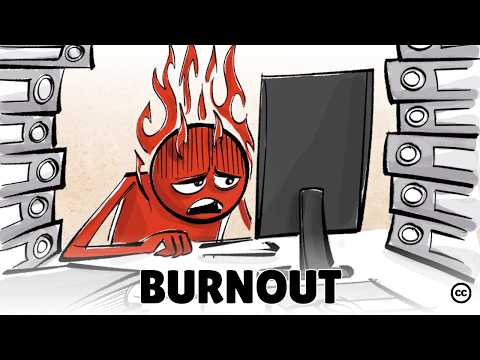
You know that tight feeling you get in your chest on a Monday morning? Yeah, that’s a vibe many people know all too well. Workplace anxiety is real, and it sneaks up on you when you least expect it.
Imagine heading into the office with butterflies in your stomach. Or maybe, just maybe, you’re avoiding that big meeting because the thought makes you feel like you’ve swallowed a cactus. Sounds familiar?
It’s not just about stress or feeling overwhelmed. Sometimes, it’s hard to pin down exactly what’s bubbling beneath the surface. So let’s unpack this together. You may be surprised at how many folks are quietly grappling with these feelings every day.
Let’s dig into the signs of workplace anxiety and see if any of them resonate with you or someone you know. After all, recognizing it is the first step towards tackling it!
Recognizing Workplace Anxiety: Key Signs and Solutions for a Healthier Work Environment
Workplace anxiety can creep up on you without you even realizing it. You know that feeling where your stomach is in knots before a meeting? Yeah, that’s part of it. Recognizing the signs is super important, not just for individuals but for creating a healthier work environment overall.
Common Signs of Workplace Anxiety
- Constant Worry: If you’re always fretting about tasks or deadlines, like can’t-stop-thinking-about-it levels of worry, that’s a big red flag.
- Physical Symptoms: Headaches, stomachaches, or fatigue? Your body might be telling you something’s off.
- Difficulty Concentrating: If focusing feels impossible and your mind goes blank during discussions, that could be anxiety messing with you.
- Avoidance Behavior: Not wanting to engage in team meetings or avoiding certain tasks? That’s often a sign that anxiety is at play.
- Irritability: Short tempers or snapping at co-workers over minor issues? Anxiety can make us more irritable than usual.
The thing is, anxiety in the workplace doesn’t just affect individuals; it can ripple through your whole team. I remember someone I worked with who was always on edge. Their stress made everyone around them tense, which created an uncomfortable atmosphere. It took some open conversations and understanding to help ease that atmosphere.
Solutions for a Healthier Work Environment
- Create Open Communication: Encourage discussions without judgment. When people feel safe to share their feelings, anxiety tends to decrease.
- Implement Flexible Policies: Allowing flexible hours or the option to work from home can relieve pressure significantly.
- Praise and Recognition: Acknowledging hard work boosts morale. A simple “Great job!” goes a long way in reducing stress levels!
- Mental Health Resources: Provide access to counseling services or workshops focused on stress management techniques.
- Cultivate Team Activities: Social events help build relationships and relieve tension among coworkers. Sometimes laughter is the best medicine!
The goal here is to foster an environment where everyone feels supported. When workplace anxiety hits hard, being aware of the signs is just the start. Taking actionable steps makes all the difference!
If you see someone struggling, reaching out can mean more than we realize—it shows they’re not alone in this hectic work life. After all, supporting one another is what teamwork is all about.
3 Key Signs Your Employee May Be Struggling with High Stress Levels
Stress at work is super common, but not everyone wears it on their sleeve. If you’re in a position where you manage people, spotting the signs of high stress levels is key. Let’s break down three important signs that might indicate an employee is struggling with anxiety and stress.
- Changes in Behavior
One of the first things you might notice is a shift in how an employee acts. This could be anything from being more irritable to becoming withdrawn. Imagine someone who’s usually chatty suddenly going quiet during team meetings or snapping at colleagues over minor issues. It’s like their usual vibe has hit a speed bump, you know? These changes can be subtle, so keep your eyes peeled.
- Decline in Performance
If your employee’s work starts to slip, that can be a big red flag. They’re missing deadlines or making mistakes they wouldn’t normally make. For example, let’s say you’ve got a graphic designer who normally nails projects but suddenly starts submitting work that feels incomplete or lacks creativity. Stress can really cloud judgment and focus, making it hard to keep up with responsibilities.
- Physical Symptoms
You also want to pay attention to any physical signs of stress that might pop up. This can be stuff like frequent headaches, fatigue, or noticeable changes in their overall appearance—like looking tired all the time or maybe even losing weight without trying. A close friend once confided about feeling sick at work; it turned out she was stressed beyond belief! When stress impacts physical health, it’s definitely time to take notice.
Taking note of these signs can really help create a supportive environment where employees feel understood and valued. Honestly, addressing stress early on makes a world of difference for both the individual and the team as a whole!
Recognizing Workplace Anxiety Symptoms: Understanding and Managing Your Mental Health at Work
Recognizing workplace anxiety can feel a bit like searching for a needle in a haystack, but it’s really important to get it right. You know that feeling when your heart races before an important meeting or you just can’t seem to focus on your tasks? Yeah, those might be signs of workplace anxiety. Let’s break it down.
Physical Symptoms: Anxiety doesn’t just mess with your mind; it can hit you physically too. Some common physical symptoms include:
- Increased heart rate
- Shakiness or trembling
- Headaches
- Muscle tension
- Fatigue
Imagine sitting at your desk, trying to finish up that project, but your hands are shaking so much you can’t type properly. It can be frustrating and exhausting.
Emotional Symptoms: On the emotional side of things, anxiety tends to stir up some pretty intense feelings. You might find yourself feeling:
- Irritable or easily angered
- Nervous or on edge
- Pessimistic about outcomes
- A sense of being overwhelmed
I remember a friend who constantly felt like she was drowning in her workload. Every email felt like another wave crashing down on her. That sense of being unable to catch a breath is all too common.
Cognitive Symptoms: Anxiety affects how you think, too. You may experience:
- Difficulty concentrating or focusing
- A tendency to overthink everything
- Crammed thoughts making it hard to make decisions
Have you ever stared at a document and felt completely blank? Your brain just feels fuzzy? Yeah, that can be anxiety whispering its nagging doubts in the back of your mind.
Behavioral Symptoms: Then there are behaviors that crop up when you’re dealing with anxiety at work. You might notice yourself:
- Avoiding certain tasks or meetings
- Pacing back and forth instead of sitting still
- Irrationally procrastinating tasks you usually manage well
It’s kind of like putting off doing laundry until the pile threatens to topple over—suddenly every other task seems more urgent than the one you’re dodging.
Managing Workplace Anxiety: If any of this resonates with you, it’s time to think about managing these feelings at work. Here are some strategies:
- Taking breaks: Step away from your desk for a few minutes. A quick walk outside can do wonders.
- Meditation: Even just five minutes of deep breathing helps clear your head.
- Talking it out: Don’t underestimate the power of sharing what you’re feeling with someone—a coworker or friend.
Seriously, sometimes just saying “I’m stressed” out loud helps lighten that load a little bit!
Workplace anxiety is real and totally valid. Recognizing those symptoms is half the battle; managing them is where the magic happens. And remember—you’re not alone in this! There are resources out there to support you through tough times at work.
You know, workplace anxiety has become such a big deal lately. It’s like, more and more people are feeling it, but they often don’t realize what’s going on. I mean, think about it: you wake up on a Monday morning dreading the week ahead. Your stomach is in knots, your heart races at the thought of that meeting with your boss. It’s a pretty common vibe.
So here’s the thing: anxiety in the workplace can pop up in ways that are not always obvious. For some folks, it shows up as irritability. One moment they’re fine; the next moment they’re snapping at a coworker over something small. I experienced this once when my friend Sarah started getting super jumpy and frustrated over little mistakes during a project we were working on together. The stress was eating her alive. But she didn’t see it—she thought she just needed to toughen up.
Then there’s that overwhelming sense of dread or restlessness that can creep in and settle like an unwelcome guest. Maybe you find yourself avoiding certain tasks or feeling paralyzed when facing deadlines? That was me during my first job; I’d stare at my to-do list for hours, not moving an inch in fear of failing to meet expectations.
Also, don’t forget about the physical symptoms! Stress headaches or tension in your neck and shoulders—you might think it’s just from sitting too long at your desk, but your body often sends signals before your mind catches up. One of my buddies had chronic migraines while working late nights; he thought it was his coffee habit until someone suggested stress could be playing a big role.
And if you notice someone suddenly withdrawing from team events or avoiding social interactions? Yeah, that could be a sign too—sometimes people just want to hide away rather than face what feels like an insurmountable challenge.
It can be tough because we don’t always talk about this stuff openly at work. You don’t want to seem weak or less dedicated, right? The thing is—acknowledging these feelings is crucial. It helps create space where you can address what’s going on without any shame.
So if you feel those familiar tugs of anxiety creeping in while you’re trying to get through your workday, remember: you’re not alone. It’s important to recognize it as part of being human—and no one should feel like they have to carry that weight by themselves!