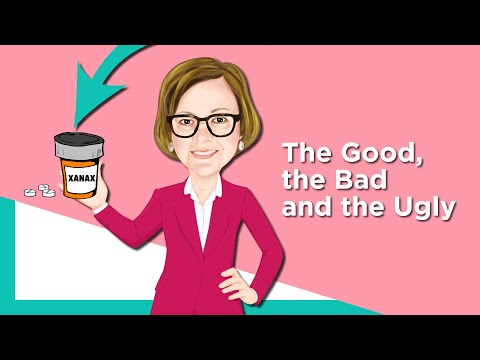
Hey, so let’s chat about Xanax for a sec. You know, that little pill everyone seems to know about?
Some folks take it to calm their nerves, while others swear it helps them sleep. But what’s the deal with this medication?
Seriously, it’s more than just a quick fix. There’s a lot of stuff happening behind the scenes with it and mental health.
We’ll dig into how it actually works and why some people find relief while others don’t. Sound good?
Understanding the Therapeutic Use of Xanax: Benefits, Risks, and Alternatives
When we talk about Xanax, we’re diving into a medication that’s pretty popular for treating anxiety and panic disorders. It’s the brand name for a drug called alprazolam, which falls under the category of benzodiazepines. Basically, what it does is help by increasing levels of a neurotransmitter called GABA in your brain, which can create a calming effect. So if you’re feeling anxious or stressed out, it might help you chill out.
Benefits of Xanax can be pretty significant for some folks. People often experience relief from panic attacks or extreme anxiety symptoms within minutes to hours after taking it. Isn’t that something? Just imagine feeling flipped upside down with anxiety one moment and then finding some stability shortly after taking your meds. For those who struggle with sudden bouts of intense fear—like during a panic attack—Xanax can feel like a lifeline.
But hold on just a sec—there are risks here too. While Xanax works wonders for many, it can also lead to dependence if used too frequently or for long periods. Your body might start to get used to it, and then suddenly stopping can lead to withdrawal symptoms that really aren’t fun at all. You could feel increased anxiety, insomnia, or even physical discomfort when trying to quit. Plus, mixing Xanax with alcohol or other drugs? That’s risky business—it can seriously amplify the sedative effects.
And you might wonder if there are alternatives. Absolutely! Therapy is often a fantastic option, especially cognitive behavioral therapy (CBT). This approach helps you understand the thoughts and feelings behind your anxiety—not just masking symptoms but tackling them head-on. Some people also find relief through mindfulness practices or meditation, which helps in reducing stress over time without any meds involved.
Then there are other medications too! SSRIs like fluoxetine (Prozac) or sertraline (Zoloft) are commonly prescribed for anxiety as well but work differently than Xanax. They typically take longer to kick in but come with lower risks of dependency.
In short, while Xanax has its place in mental health treatment—helping many people manage their anxiety—it’s super important to weigh those benefits against potential risks and consider all your options before deciding on treatment paths.
Whether you’re thinking about medication or therapy—or maybe even both—finding what works best for *you* is the key here. Seriously! Mental health isn’t one-size-fits-all; it’s all about personal journeys and choices that fit your unique needs.
Understanding Xanax: Is It a Psychiatric Medication for Anxiety and Mental Health?
Xanax is one of those medications that’s gotten a lot of attention over the years, especially when it comes to tackling anxiety. So, what’s the deal with it? Well, first off, **Xanax is a brand name for alprazolam**, which belongs to a class of drugs called benzodiazepines. These guys work by enhancing the effects of a natural chemical in your brain known as GABA. You could think of GABA as your body’s built-in chill pill, helping to calm you down and reduce feelings of anxiety.
Now, let’s get into the heart of the matter. Xanax is mainly used to treat **panic disorders and generalized anxiety disorder (GAD)**. If you’ve ever felt that overwhelming sense of dread or panic creeping up on you, Xanax might help dial that down pretty quickly. It’s like having a cushion when life throws those unexpected curveballs at you.
But here’s the thing—while Xanax can be super effective in managing anxiety symptoms, it comes with its own set of challenges. For starters, this medication can be addictive if not taken as prescribed. That means it’s really important to stick to your doctor’s instructions and have regular check-ins about how it’s working for you.
Here are some key points to consider about Xanax:
- Quick Relief: Many people report feeling relief from their anxiety symptoms relatively fast after taking it.
- Short-Term Solution: It’s generally recommended for short-term use due to potential dependence.
- Side Effects: Some common side effects include drowsiness, dizziness, and sometimes memory issues. It’s crucial to talk with your doctor if you experience anything unsettling.
- Tolerance Issues: Over time, some folks can develop tolerance—that means they might need higher doses for the same effect.
- Withdrawal Symptoms: If you stop taking Xanax abruptly after extended use, withdrawal symptoms can pop up like increased anxiety or even seizures in severe cases.
A friend of mine once shared how Xanax helped her cope during a particularly tough time. She was juggling work stress and personal issues that felt like they were closing in on her all at once. After talking with her doctor about feeling constantly anxious and unable to concentrate, they decided that trying out Xanax would be worth a shot. For her, it was like finding breathing room again—the tight grip of panic loosened just enough for her to start tackling things one by one.
Still, it always takes more than just meds for solid mental health support. Alongside medications like Xanax, many people benefit from therapy or counseling—where they dig deeper into coping strategies that don’t solely rely on pills.
So yeah—it sounds simple: take a pill and feel better! But there’s so much more happening behind the scenes with mental health treatment. Always consult with your healthcare provider about whether something like Xanax is right for you and remember that everyone’s journey looks different when managing anxiety or any mental health issue!
Understanding the Link Between Xanax and Headaches: Causes and Solutions
Xanax, that little pill that’s often prescribed for anxiety, can sometimes bring about unexpected side effects—like headaches. You might be wondering why this happens and what you can do about it. Let’s break it down.
First off, Xanax belongs to a class of medications known as benzodiazepines. It works by enhancing the effects of a neurotransmitter called GABA, which calms down your brain activity. But here’s where it gets tricky: while calming your nerves, it can also mess with your body in ways you didn’t expect.
One reason Xanax could cause headaches is due to its **sedative effect**. When you take it, your body goes into a more relaxed state, and if you’re not used to that level of calm—or if you stop taking it suddenly—it might lead to withdrawal symptoms. Headaches can be one of those pesky symptoms.
Another factor is *dehydration*. When you’re feeling relaxed or drowsy, it’s easy to forget to drink water, right? Dehydration is a common headache trigger. Also, if you’ve taken Xanax for anxiety, stress itself could have been contributing to those headaches in the first place.
Moreover, let’s talk about dosage. If you’re on a high dose or have just started taking Xanax, your body needs time to adjust. In some cases, changing the dosage or timing can help ease those headaches too.
It’s worth noting that everybody reacts differently. Some folks might experience relief from anxiety with no headaches at all! Others might find the opposite true—totally frustrating but just part of figuring out what works for you.
So what do you do if you’re dealing with these headaches? Here are some approaches:
- Stay Hydrated: Make sure you’re drinking plenty of water.
- Talk to Your Doctor: Always discuss any side effects with your healthcare provider; they know best!
- Avoid Sudden Changes: If you’re thinking about stopping Xanax or changing the dose on your own—don’t! It can worsen withdrawal symptoms.
- Pace Yourself: Give yourself time to adjust when starting new medications.
Just remember: Xanax might help manage anxiety but can come with its own set of challenges like headaches. Listening to your body and working closely with your doctor will help keep things in check—you deserve to feel good without extra pain!
You might have heard of Xanax, right? It’s one of those medications that seems to pop up in conversations about anxiety and panic attacks. I mean, we’ve all had those days where everything feels too much. You know, like when your mind is racing a mile a minute? That’s exactly where Xanax steps in.
It’s part of a bigger family known as benzodiazepines. These meds work by boosting a neurotransmitter called GABA in your brain. Basically, GABA’s like that friend who calms you down when you’re all hyped up—like when you’re about to give a speech or face an awkward social situation. When GABA kicks in, it helps reduce feelings of anxiety and stress.
The thing is, Xanax isn’t for everyone or every situation. There are times it can really help people feel relaxed and take the edge off those overwhelming feelings—kind of like pulling the brakes on a runaway train. But on the flip side, it’s not meant to be a long-term solution. Relying on it too much can lead to dependence or other issues down the road. I remember chatting with someone who had been prescribed Xanax during a rough patch; they found it helpful at first but later realized they were using it more often than intended just to get through the day.
And there are also those side effects you might wanna be aware of—like drowsiness or even memory problems if not used carefully. It’s important to have open conversations with your doctor about how you’re feeling and what you’re experiencing while taking it.
So yeah, while Xanax can play an important role for some folks dealing with anxiety, it’s definitely not a one-size-fits-all solution. It’s always good to balance its use with therapy and lifestyle changes—you know? After all, mental health isn’t just about medication; it’s about finding what really helps you thrive overall!