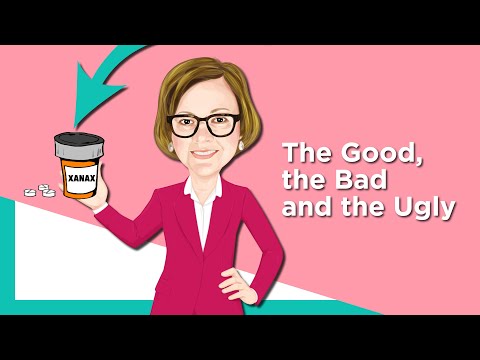
So, let’s chat about Xanax for a sec. You know, that little pill that seems to be everywhere these days?
It’s gotten a bit of a reputation, hasn’t it? I mean, some folks swear by it as a lifesaver while others raise their eyebrows like, «Really?»
But seriously, what’s the deal with Xanax? Why is it so popular in mental health treatment right now?
Well, it turns out this tiny tablet plays a pretty big role in helping people manage anxiety and panic.
I’ve heard stories from friends who’ve found relief after struggling for ages. It’s wild how something so small can make such a difference.
Let’s dig into this whole Xanax thing together!
Understanding the Therapeutic Benefits and Uses of Xanax for Anxiety Management
So, let’s talk about Xanax. It’s one of those medications that’s gotten a lot of attention over the years, especially when it comes to anxiety management. You know, many people turn to it thinking it’s gonna be a magic pill for their problems. But the thing is, there’s more to it than just popping a tablet.
Xanax, or alprazolam if we’re being formal about it, is part of a class of drugs called benzodiazepines. What these little pills do is help calm you down when anxiety hits hard. They work by boosting the effects of a brain chemical called GABA, which basically helps you chill out and feel less stressed.
Now, here’s where it gets interesting. Although Xanax can be super effective for short-term relief, it isn’t usually recommended for long-term use. Why? Because your body can build up tolerance to it over time. Seriously, what starts as helpful can end up needing higher doses to achieve the same effect.
It’s also essential to consider how quickly Xanax works. Like, if you’re in the middle of an anxiety attack and take one, you might notice some relief within like 30 minutes to an hour! That’s why some folks appreciate having it on hand in case things get tough.
- Short-Term Relief: Great for acute anxiety episodes.
- Fast Acting: Works within 30 minutes to an hour.
- Potential for Tolerance: You might need more over time.
- Withdrawal Risks: Stopping suddenly can cause issues; gradual tapering is key!
Anecdotally speaking, I once chatted with someone who described their experience with Xanax during finals week in college. They said they felt like they could finally breathe and focus on their studies instead of being paralyzed by worry about grades and exams. For them, Xanax was a lifesaver in that high-pressure moment.
On the flip side though—there are some risks involved as well. If you’ve got issues like substance abuse or certain health conditions, you really need to tread carefully with Xanax. Doctors will weigh these factors before prescribing it; after all, no one wants anyone getting hooked on something that should be helping them feel better!
The thing is—if you’re considering treatment options for anxiety, Xanax could play a role but it’s often best used alongside other therapies like counseling or cognitive-behavioral therapy (CBT). These approaches help you develop coping skills so that when life throws curveballs your way—you have tools that last beyond just medication.
In summary: Xanax has its place in managing anxiety effectively but it’s all about using it wisely and under proper medical guidance! Exploring all your options can lead you toward lasting relief without relying solely on pills!
Understanding Xanax: Is It Classified as a Psychiatric Medication?
Xanax, or alprazolam as it’s officially known, is a medication that’s often discussed in the context of mental health. So, is it classified as a psychiatric medication? Well, yeah, it definitely falls into that category. The thing is, Xanax is primarily used to treat anxiety disorders and panic disorders. It’s part of a group of drugs called benzodiazepines.
What are benzodiazepines? Basically, they’re medications that act on your brain and central nervous system. They work by enhancing the effects of a neurotransmitter called GABA. So when you take Xanax, it helps calm your brain down and can provide quick relief from anxiety symptoms.
You might be wondering about its uses. Here’s where things get interesting. Xanax isn’t just for general anxiety; it’s quite effective for panic attacks too. Imagine you’re in a crowded place and suddenly feel like the walls are closing in—Xanax can help bring those feelings down to a more manageable level.
But there’s also a flip side. Because it works quickly, people sometimes rely on it too much. That can lead to dependence or addiction if not used carefully. You know how some folks might reach for their phone at the slightest hint of boredom? Well, with Xanax, it’s kind of similar; you might end up using it more often than intended to deal with stress or anxious moments.
Side effects are also something to consider when talking about Xanax. Common ones can include drowsiness, dizziness, or even memory issues. It’s like when you’ve had one too many drinks at a party—you feel relaxed but maybe not so sharp mentally.
It’s crucial to mention that Xanax isn’t meant for everyone. Doctors usually don’t prescribe it long-term because of tolerance issues; your body can get used to it over time and need higher doses for the same effect. They often suggest other therapies or medications alongside—like cognitive-behavioral therapy (CBT)—to help address the root causes of anxiety rather than just masking them.
So yeah, while Xanax is an important tool in psychiatry for managing acute anxiety and panic attacks, using it wisely and under medical supervision is key! You wouldn’t want to use a hammer when what you really need is a whole toolbox of strategies for better mental health.
In summary:
- Xanax is classified as a psychiatric medication, mainly used for treating anxiety disorders.
- Benzodiazepines like Xanax enhance GABA’s effects in your brain.
- It’s effective for panic attacks but can lead to dependence.
- Common side effects include drowsiness and dizziness.
- It’s often prescribed short-term along with other therapies.
Hope this clears things up about Xanax!
Understanding Xanax Side Effects: What You Need to Know for Better Mental Health
Xanax, or alprazolam, is a medication often prescribed for anxiety and panic disorders. It’s part of a class of drugs known as benzodiazepines, which basically means they help calm you down. But like everything else, it comes with its own set of side effects that are pretty important to know about.
When you first start taking Xanax, it can feel like a weight has been lifted. Seriously, many people report feeling less anxious almost right away. That’s the good news! But there’s more to the story.
First off, let’s talk about common side effects. These can include:
Imagine you’re super chill one day after taking your dose but then find yourself feeling sluggish or kind of forgetful—this is more common than you might think.
Now, moving onto more serious side effects. While they’re less frequent, they do happen and need attention:
It’s sort of like opening a box with surprises—some good and some not so great.
Another thing to consider is what happens when you stop taking Xanax suddenly. You could experience withdrawal symptoms. This can range from mild (like feeling jittery) to severe (like seizures). So if you’re thinking about stopping it, talking to your doctor first is crucial.
And here’s something important: using Xanax long term isn’t always the best idea because of dependency issues. It can become a crutch instead of treating the root cause of your anxiety. That’s why therapy alongside medication is often suggested. It helps build skills to cope without relying solely on drugs.
You might be wondering about interactions with other medications. Xanax doesn’t always play nice with other stuff you may take—there’s potential for dangerous interactions especially with alcohol and opioids. Mixing can amplify side effects like drowsiness or even lead to overdose.
So what should you keep in mind? It’s all about balance—the benefits versus potential drawbacks. If you’re taking Xanax and noticing weird changes in how you’re feeling, don’t hesitate to chat with your healthcare provider. They really want what’s best for you.
Remember that while medication can help, understanding its side effects lets you manage your mental health better overall. Awareness makes all the difference!
Sometimes, you hear people talk about Xanax, and it sounds like a lifesaver for those struggling with anxiety. Like, seriously. It’s one of those medications that can really help people feel more grounded when they’re overwhelmed by their thoughts or feelings. It’s not just a pill; for many, it’s been a game-changer in managing anxiety disorders.
But here’s the thing: while Xanax works wonders for some, it’s not the whole solution. You know? I had a friend who dealt with anxiety so bad she was constantly on edge. She tried therapy, lifestyle changes—everything—but still felt like she was fighting her mind 24/7. When she finally tried Xanax, it was as if a weight had been lifted off her shoulders. Suddenly, she could function without feeling like she was walking on eggshells. It made that raw anxiety seem distant; it gave her moments of relief.
Yet, there’s another side to consider. Xanax is part of the benzodiazepine family—these are fast-acting medications that can lead to dependence if used long-term or without proper guidance. So while my friend found success with it for a period of time, there were conversations about tapering off and finding other ways to stay balanced once she felt more settled. It’s kind of this balancing act between finding relief and avoiding potential pitfalls.
And then there are the side effects—like drowsiness or even memory issues—which can be tough to manage if you’re trying to live your life fully engaged and present. Some folks feel like they’re trading one problem for another when they start taking medication.
So yeah, I think what we really need are open conversations about how medications like Xanax fit into the bigger picture of mental health care today. Sometimes they help bridge the gap while someone works through deeper issues in therapy or takes other steps toward healing.
Xanax can play a role in recovery from anxiety disorders but only when used thoughtfully and wisely, ideally as part of an overall treatment plan that includes therapy and lifestyle changes. It’s all about finding what works best for you because mental health isn’t one-size-fits-all; it’s messy and complicated—and that’s okay!