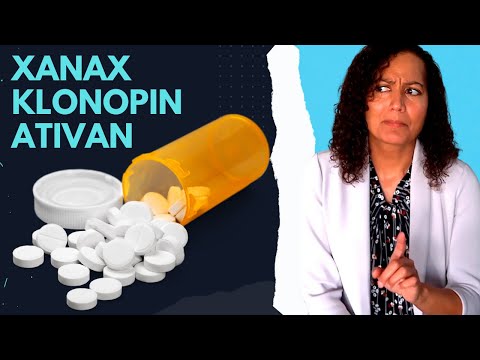
You know, anxiety is one of those things that can really mess with your head. Just when you think you’ve got a handle on it, BAM! It hits you again.
So, let’s talk about Xanax for a sec. A lot of folks turn to it when things get overwhelming. It helps, right? But there’s this thing called rebound anxiety that can sneak up on you when you try to stop.
And wow, the impact on your mental health? It can be pretty rough. It’s like getting kicked right when you’re down. Seriously, it’s important to understand what’s going on so you’re not left in the dark.
Stick around; we’ll unpack this together!
Exploring the Connection: Can Xanax Increase Anxiety Levels?
So, let’s talk about Xanax and its connection to anxiety. Xanax, or alprazolam if we wanna get all technical, is a medication often prescribed for anxiety and panic disorders. It’s part of a class of drugs called benzodiazepines, which basically work by calming your brain and nervous system. But here’s the kicker: while it can help you feel more relaxed in the short term, it can also lead to something called **rebound anxiety**.
Rebound anxiety occurs when the effects of Xanax wear off. You know that feeling when you’re coming down from an adrenaline rush? It can be kind of intense, right? Well, with Xanax, when it hits the back end of its effectiveness, some folks experience heightened anxiety instead of relief. It’s like a roller coaster ride—going up feels good, but that drop can be really rough.
Now let’s break this down a bit more.
Why does rebound anxiety happen?
When you use Xanax regularly, your body gets accustomed to its effects. This can lead to tolerance—meaning you might need more of the drug over time to achieve the same results. If you suddenly stop taking it or even just reduce your dose, your brain might not know how to handle stress as well anymore. It’s like a muscle that hasn’t been used in a while; it gets weak and doesn’t perform as well.
Consider this: Imagine someone who has relied on their morning cup of coffee every day for years. If they skip it one day? They might feel sluggish or even jittery—and that’s just caffeine! Now imagine that happening with something much stronger like Xanax.
How does this affect mental health?
This bounce-back effect can create a cycle that’s tough to break. You take Xanax to calm yourself down; then when it wears off, your anxiety spikes again—so what do you do? You take more Xanax! This isn’t just uncomfortable; it can lead to increased reliance on the medication and make managing anxiety without it harder in the long run.
It’s important for anyone on medications like Xanax to chat with their doctor about finding balance. Sometimes therapy or lifestyle changes—like exercise or mindfulness practices—can be super helpful alternatives or complements to medication.
In my experience talking with people navigating these waters, they often say that understanding what’s happening physically really helps ease some mental strain. Like knowing there’s a scientific reason behind those anxious spikes makes them feel less alone in their struggle.
So yeah, while Xanax has its place in treating anxiety and panic disorders for many people out there, being aware of rebound anxiety is key. You gotta keep communication open with healthcare providers about how meds are affecting your mental state overall—it strengthens both treatment and recovery paths!
Overcoming Rebound Anxiety: Effective Strategies for Emotional Healing
Overcoming rebound anxiety can seem like a tough mountain to climb, especially after stopping medications like Xanax. Rebound anxiety is when your anxiety returns or even worsens after you stop taking a medication that was helping you. Imagine feeling nice and calm while on the meds, then suddenly feeling like a ball of nerves when they’re gone. It can be super frustrating and scary.
So, what’s going on here? When you take anti-anxiety medications, your brain gets used to those chemicals helping it feel balanced. Stop taking them suddenly, and your brain’s chemistry can go haywire, leading to worse anxiety than before. You might feel jittery, restless, or just plain uneasy. It’s not fun at all.
Here are some strategies that might help you manage rebound anxiety:
- Gradual Tapering: If you’re planning to stop taking Xanax or similar meds, talk to your doc about tapering down slowly instead of quitting cold turkey. This can lessen those nasty withdrawal symptoms.
- Talk Therapy: Engaging in therapy can be a game changer. Therapists can provide coping techniques and support as you’re dealing with the emotional rollercoaster.
- Meditation and Mindfulness: Practicing mindfulness techniques or meditation can help ground you when those anxious thoughts come creeping back.
- Exercise: Moving your body—whether it’s running, dancing, or just taking a brisk walk—can help release endorphins and improve your mood.
- Healthy Lifestyle Choices: Eating balanced meals and getting enough sleep are super important for mental health. If your body feels good, it’s easier to tackle anxiety.
Like I said earlier, it’s totally normal to feel overwhelmed during this time. A friend of mine had to deal with rebound anxiety after stopping her medication for a couple of months. She felt like she had this constant pit in her stomach until she started working with a therapist who helped her find grounding techniques that clicked for her.
You don’t have to navigate this alone! Having support from friends or family can make all the difference too. Just remember: healing takes time and it’s okay to lean on others while you’re finding what works best for you.
In the end, bouncing back from rebound anxiety might take work and patience but there’s definitely hope on the horizon! Just keep trying different strategies until something clicks for you—it’s all about finding that balance again.
Understanding Xanax Rebound Anxiety: What to Know After Just One Use
So, let’s talk about Xanax and this thing called rebound anxiety. You might have heard of it, or maybe you’re just curious about what happens when people take this medication and then stop. Well, buckle up, because it’s kind of a wild ride!
Xanax is one of those meds that falls into the benzodiazepine category. Basically, it’s designed to help you chill out—think less anxiety, more relaxation. When folks take it for anxiety or panic attacks, they often feel a sense of calm pretty quickly. That’s the good news.
But here’s the kicker: after just one use—or even if you’ve been taking it for a while—when you stop using Xanax, your body can react in some not-so-great ways. This is what we mean by rebound anxiety. You see, your brain gets used to that calming effect. So when the Xanax wears off? Well, suddenly it can feel like anxiety levels shoot up again.
Why does this happen? The thing is that benzodiazepines like Xanax work on certain brain receptors to reduce anxiety by enhancing the effects of GABA—a chemical that slows down nerve activity and calms things down. When you take Xanax regularly, your brain adjusts to having that extra “chill pill” around. When it’s gone? Your brain might freak out a bit.
Here are some key things to keep in mind about rebound anxiety:
- It’s usually temporary: Rebound anxiety doesn’t last forever; often it fades as your body readjusts.
- It can be intense: Sometimes people experience heightened feelings of anxiety that are worse than what they felt before taking the medication.
- Dosage matters: The more frequently someone uses Xanax and at higher doses, the more likely they’ll feel rebound effects.
- Tapering helps: Doctors often recommend gradually reducing dosage instead of stopping cold turkey to avoid severe rebound symptoms.
Imagine Sarah—she takes Xanax for her overwhelming stress before a big presentation at work. After taking one pill, she feels great! But then she decides not to take any more because she thinks she’s got this handled. Hours later? Anxiety levels spike through the roof! It’s like her mind went from calm waters to stormy seas in no time flat.
Honestly, experiencing rebound anxiety can leave you feeling frustrated and maybe even scared if you’ve relied on Xanax before. If you find yourself in this situation—or if you’re just thinking about starting or stopping—it’s always best to chat with someone who gets this stuff—like a doctor or therapist.
In summary: while Xanax can really help some folks manage their anxiety short-term, stopping can lead to an uptick in those anxious feelings afterward—who knew something meant to help could turn around so fast? Being aware of rebound anxiety is key so that if it happens to you or someone you know, you don’t get blindsided by those feelings again!
So, let’s talk about Xanax for a sec. It’s one of those medications that people often turn to when anxiety feels like it’s taking over their lives. You know, the tight chest, racing thoughts, and that ever-present sense of doom. But here’s where it gets a little sticky: some people experience what’s called rebound anxiety after they stop taking it.
You might be wondering what rebound anxiety even is. Basically, after the medication wears off or when someone stops taking it, their anxiety can come back even stronger than before. I’ve heard stories from friends who felt like they were in a roller coaster—up and down with intense anxiety peaks that seemed worse than when they first started taking the pill.
I remember my friend Sam telling me about his struggles with Xanax. He had been prescribed it for his panic attacks, and at first, it felt like a miracle—like he could finally breathe again without feeling overwhelmed. But then he decided to stop because he didn’t want to depend on a pill. He thought he’d just manage through therapy and meditation instead. But when he got off the Xanax, wow; his anxiety came rushing back as if saying “Hey! Remember me?” It was tough to watch him go through that.
In terms of mental health, rebound anxiety can feel really disheartening. You start to question whether you’ll ever feel normal again or if you’re stuck in a cycle of needing medication to cope with your feelings. This cycle can lead to more frustration and even make you reluctant to seek help because now you’re scared of being on meds forever.
That said, if you or someone you care about finds themselves in this situation, it’s super important to reach out for support—whether from friends or professionals who get it. Managing mental health is not just about popping pills; it’s also about finding balance in how we cope with life’s ups and downs.
So yeah—it’s kind of this wild dance between managing symptoms and confronting what’s really going on underneath all that anxiety. And while medication can be part of that dance sometimes, understanding rebound effects is key so you don’t end up two-stepping back into the chaos without a plan in place!