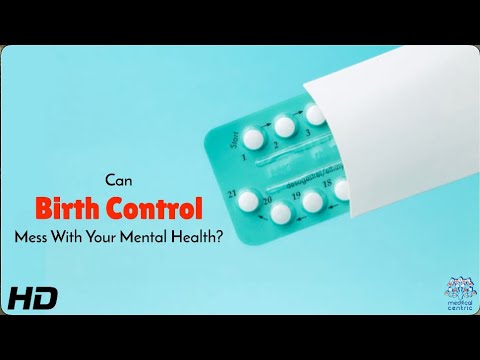
So, let’s talk about Yaz, right? That birth control pill that’s been around for a while. You’ve probably heard of it or maybe even taken it yourself.
But here’s the thing: it’s not just about preventing pregnancy. For some people, Yaz can shake things up in the mood department, sometimes in ways you totally don’t expect.
Ever notice how your hormones can feel like a rollercoaster? Well, Yaz can make you feel like you’re on one too. And honestly, figuring out how it affects your mental health is super important.
Let’s dig into what happens when you mix hormones and mental well-being—because that combo can be pretty wild!
Exploring the Impact of Yaz on Mood: Understanding Mental Health Effects
The thing is, when it comes to hormonal birth control like Yaz, you gotta talk about mood and mental health. Yaz is a combination pill that contains drospirenone and ethinyl estradiol. It’s used not only to prevent pregnancy but also to treat conditions like PMDD (premenstrual dysphoric disorder). But how does it affect your mood and emotions? Let’s break it down.
First off, hormones can be like a rollercoaster for some people. Drospirenone, one of the hormones in Yaz, is known for its anti-androgenic properties. This means it can help with issues like acne or excessive hair growth. But while it’s working on those physical symptoms, it could also have an impact on your emotional well-being.
Some users report feeling more emotionally stable once they start taking Yaz. The estrogen might help lift your mood by increasing serotonin levels in the brain. You know serotonin—the feel-good hormone that plays a huge role in regulating mood? So, for some, this pill might mean fewer mood swings and less irritability.
However, not everyone has the same experience. For others, Yaz might bring on feelings of anxiety or depression. It’s like trying on different outfits; what fits well for one person may not suit another at all. You could feel more anxious or have sudden changes in your mood when adjusting to the hormones.
Here’s where things get dicey: studies show mixed results regarding birth control and mental health effects. Some research suggests there are links between hormonal contraceptives and increased rates of depression in certain women—especially those already prone to mental health issues. If you’ve had struggles with anxiety or depression before starting Yaz, then those changes could hit harder.
Let’s look at an example—imagine Sarah, who has been using Yaz for a few months now. At first, she felt great! Her skin cleared up nicely and her periods were lighter—but then she started experiencing intense bouts of sadness out of nowhere. She’d cry over little things; stuff that usually wouldn’t bother her much at all.
But here’s something important: communication with healthcare providers is key here! If you’re experiencing negative mood changes while on Yaz—or any birth control—it’s so essential to talk about it with your doctor. They can help assess whether it’s linked to the pill or if there are other factors at play.
And let’s not forget about individual perspectives. How you respond to medications varies from person to person due to genetics, lifestyle factors, and even personal experiences with stress or mental health challenges in the past.
In summary, while some find that Yaz helps improve their overall emotional regulation—like calming down anxiety or making them feel more balanced—others may encounter unwanted side effects affecting their moods negatively. So if you’re considering giving it a shot or already using it but feeling funky emotionally? Keep that line of communication open with your doc!
Exploring the Link Between Birth Control and Mood Regulation: Can Hormonal Contraceptives Improve Mental Well-Being?
It’s interesting, isn’t it? The connection between birth control and mood can be a bit of a maze. Many people are curious if hormonal contraceptives, like Yaz, can help improve mood or even mental well-being. Let’s break it down.
First off, hormonal contraceptives work by changing the levels of hormones in your body. Yaz specifically contains estrogen and progestin. These hormones are crucial; they play roles in regulating your menstrual cycle, but they also influence mood.
You might think this is straightforward, right? Well, it’s not always that simple. Some folks report feeling more stable and less anxious on these pills, while others experience side effects such as depression or anxiety that were never there before.
Some studies have shown that hormonal birth control may actually level out your mood swings by stabilizing hormone levels throughout your cycle. This can be especially beneficial for those who struggle with premenstrual syndrome (PMS) or premenstrual dysphoric disorder (PMDD). But here’s the kicker: everyone’s body reacts differently! What works wonders for one person might not do squat for another.
Now, let’s talk about Yaz in particular. A lot of research indicates that this particular birth control doesn’t just prevent pregnancy—it may also help with acne and regulate periods. In terms of mood, some studies suggest it could lessen symptoms of depression in some women. That said, not everyone will feel this effect.
So here are a few key points to consider:
- Individual reactions vary: Your friend might love Yaz while you find it makes you feel like a complete mess.
- Potential benefits: Some women report improved anxiety and fewer mood swings.
- Possible drawbacks: For others, hormonal changes can lead to increased anxiety or depressive feelings.
You know what’s super important? Communicating with your doctor about any sudden changes in your mental health when starting or switching birth control methods. They can help find the right fit for you based on your needs. Also—remember that lifestyle factors like stress and diet can impact how you feel too!
In my experience talking to people about this topic—like my friend Sarah—she started taking Yaz after struggling with crippling PMS symptoms and found her mood was more even-keeled during her cycle. But another friend had a totally different experience; she felt way more down after starting the same pill.
Overall, understanding how hormonal contraceptives like Yaz affect mental health is a nuanced journey! Just keep in mind that it’s all about finding the right balance for *your* body—and sometimes a little trial and error is involved in figuring things out.
So yeah! Hormonal contraception can play a role in mood regulation—but be aware it’s not universally positive for everyone! And if you’re feeling uncertain or concerned about how birth control affects your mental health? Don’t hesitate to chat with a healthcare provider who understands these issues inside out!
Exploring the Long-Term Effects of Taking Birth Control for a Decade: What You Need to Know
When you think about birth control, it’s usually all about preventing pregnancies, right? But let’s chat about something else—like how taking birth control for a decade can affect your mood and mental health. More specifically, let’s talk about Yaz, a popular form of hormonal contraception that many people have used over the years.
Yaz includes a mix of hormones—estrogen and progestin—that work together to keep your body from ovulating. That sounds pretty straightforward, but there’s more to the story when it comes to long-term use. So here’s what you might want to know.
Mood Changes
One significant thing is that hormonal contraceptives like Yaz can impact your mood. Some users report feeling more anxious or depressed after being on the pill for a while. It doesn’t happen to everyone, but if you’re sensitive to hormonal changes, you might notice some shifts in how you feel.
For example, think about your good friend who was always upbeat and suddenly seems super moody or tearful after starting the pill. She might be experiencing these emotional ups and downs because of the hormones in her birth control.
Risk of Depression
Research suggests there’s an increased risk of depression for some people using hormonal birth control. A study found that younger women on pills like Yaz had higher rates of depression compared to those not using hormonal contraception. That’s kinda concerning, right? It makes sense to stay aware of how you’re feeling if you’ve been on it for years.
You might also want to check in with yourself regularly. Are you still enjoying things you used to love? If everything feels heavier or joyless, maybe it’s time for a chat with your healthcare provider.
Physical Symptoms
Aside from mood changes, there are other things at play too. You may notice physical symptoms like headaches or changes in weight while on Yaz or similar pills over a longer period. These can also influence your mood indirectly because let’s face it—the less comfortable you feel physically, the harder it is to stay upbeat.
If those annoying headaches hit right before an important day at work or school—yeah, that could mess with your motivation and mental clarity too!
Withdrawal Effects
Now let’s talk about what happens when you decide to stop taking Yaz after many years. When you’re used to those hormones being part of your routine, going off them can lead to withdrawal symptoms—kinda like when someone quits caffeine cold turkey and gets headaches or feels drained.
In this case, some people experience mood swings and emotional instability as their bodies adjust back to natural hormone levels. It may take time before everything settles down again.
Finding Balance
The bottom line is that everyone reacts differently when taking oral contraception like Yaz over long periods. If you’ve been on it for ten years and start feeling any negative effects—whether it’s mood swings or physical discomfort—it’s totally okay to reach out for help!
Your mental health matters! And remember: talking openly with a healthcare professional can provide insights tailored just for you.. They can help navigate potential alternatives or solutions based on your unique experience.
So yeah, being informed about these long-term effects is key if you’re considering staying on something like Yaz for an extended period. You deserve clarity when it comes to managing both contraception and mental wellness!
You know, birth control can feel like a bit of a mystery sometimes, especially when it comes to something like Yaz. It’s quite popular, and many people swear by it for things like managing their periods or acne. But when it comes to mood and mental health, well, that’s where it gets a little tricky.
I remember a friend of mine who started taking Yaz. She was optimistic at first. But after a few months, she noticed she was feeling pretty down—more than usual. It was like her normal upbeat vibe just dimmed a bit. We chatted about it over coffee one day, and she shared how she felt this fog creeping in, making everything seem heavier. It really struck me how something that seems so straightforward could impact her mental state so much.
The thing is, hormonal birth controls like Yaz can affect everyone differently. Some people might feel fine, while others might experience mood swings or increased anxiety. That’s because hormones play such a huge role in regulating our emotions—like if you’ve ever had PMS, you know what I mean! Changes in estrogen and progestin levels can mess with your brain chemistry too.
There are studies suggesting that progestin-based pills may be linked to symptoms of depression for some folks. But honestly? The research isn’t super clear-cut; there are so many factors at play—like genetics or lifestyle—that can influence how someone reacts to these hormones.
Of course, it’s essential to talk about any changes in mood or emotional health with your doctor if you’re considering or already using Yaz—or any birth control for that matter! They’re there to help figure out what’s going on and explore alternatives if needed.
But you know what? It all boils down to listening to your body and paying attention to how you feel mentally as well as physically. If something feels off after starting Yaz—or any medication—don’t ignore those feelings. Your mental health matters just as much as anything else!