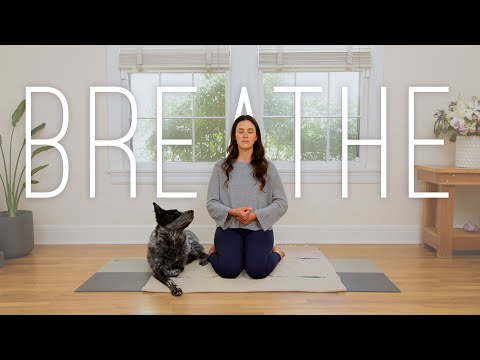
You know, life can get pretty overwhelming sometimes, right? Between the rush of daily hustle and all those feelings bubbling under the surface, it’s easy to lose your chill.
But here’s the thing—there’s this amazing tool that can help you find that calm again. It’s called breathwork, and it’s a game changer when it comes to yoga.
I mean, have you ever noticed how just taking a deep breath can make everything feel a little less chaotic? It really works wonders!
So let’s chat about how combining breathwork with yoga can seriously boost your mental health and overall wellbeing. It’s not just about those poses; it’s about connecting with your breath and finding peace in the chaos. Sound good?
Unlocking Mental Health: The Benefits of Breathwork in Yoga for Improved Wellbeing (PDF Guide)
Breathwork, especially in the context of yoga, is like having a secret weapon for mental health. Seriously, it’s amazing how something as simple as your breath can have such a big impact on your overall wellbeing. You might be wondering how that works, right? Let’s break it down.
When you practice breathwork in yoga, you’re really focusing on controlling your breathing patterns. This can help you manage stress and anxiety. Basically, when you breathe deeply and intentionally, it sends signals to your brain that everything’s okay. It’s like a little reminder that you’re safe in the moment. This is super helpful for those times when life feels overwhelming.
Also, breathwork can enhance your emotional regulation. You know those days when your emotions feel all over the place? By using specific breathing techniques during yoga sessions, you can learn to regulate those intense feelings better. That way, you’re less likely to feel like you’re on an emotional rollercoaster.
And let’s not forget about mindfulness; it plays a huge role here too. Breathwork encourages you to stay present and focused, which is often lacking in our fast-paced lives. When you’re paying attention to how you’re breathing, it’s much easier to tune out distractions and just be in the moment.
Some benefits of incorporating breathwork into yoga include:
Imagine this: You’re sitting at home feeling stressed about work. Maybe you’ve had a rough day? Rather than reaching for junk food or scrolling through social media mindlessly (we’ve all been there), try spending just a few minutes doing some deep breathing exercises from yoga instead! It might feel awkward at first but trust me—once you get into it, you’ll notice the difference almost immediately.
In terms of where this comes from—breathwork isn’t a new thing! It’s been around for ages in various cultures and practices but has gained popularity in the West especially with yoga becoming mainstream. So if you’ve ever taken a class where they remind you to focus on your breath, they’re not just being hippies; there’s actual science behind it!
In short, integrating breathwork into your yoga routine isn’t just beneficial—it’s transformational for mental health and wellbeing. With consistent practice, you’ll likely find yourself feeling more grounded and connected with yourself and the world around you.
So next time you’re rolling out that mat or even just sitting at home feeling weighed down by life’s demands—just remember that taking a moment to breathe deeply can shift everything back into perspective. Sounds simple but works wonders!
Unlock Better Mental Health and Wellbeing Through Free Yoga Breathwork Techniques
Breathwork in yoga is a powerful tool for boosting mental health and overall wellbeing. Seriously, it’s like resetting your mind with just a few deep breaths. You know, we often overlook our breath when we’re caught up in daily life. But focusing on it can change everything.
One of the main breathwork techniques is called **Pranayama**. This involves controlling your breath to enhance your energy and calm your thoughts. Here’s how it works:
- Deep Breathing: Just take a moment to inhale deeply through your nose, letting your abdomen expand, and then slowly exhale through your mouth. Simple, right? Doing this for a few minutes can help reduce anxiety.
- Box Breathing: Picture a box—inhale for four counts, hold for four counts, exhale for four counts, hold again for four counts. This technique helps ground you and keeps racing thoughts at bay.
- Nadi Shodhana: Also known as alternate nostril breathing. It sounds fancy but is just switching between nostrils while breathing. This balances both sides of the brain and promotes inner harmony.
Let me share a quick story about my friend Sam. Sam was super stressed with work and always felt anxious before meetings. He decided to try some yoga breathwork techniques he’d heard about from a buddy. Every morning he’d take 10 minutes to practice deep breathing and box breathing before his day started. Over time, he noticed that not only did his anxiety decrease, but he felt more present and centered during work.
Now, you might be wondering why all this matters. Well, practicing such techniques regularly trains your body to manage stress better over time. It’s not just about feeling calmer in the moment; it’s like building a muscle—you get stronger with regular practice.
Another key benefit is enhancing focus and clarity. You see, by slowing down your breath, you send a signal to your brain that it’s time to chill out and pay attention rather than worry or panic about what’s coming next.
Lastly, incorporating breathwork into group yoga classes can be amazing too! The community vibe can make you feel supported while you learn these techniques together.
So if you’re seeking better mental health and wellbeing without any cost involved—why not give these breathwork techniques in yoga a shot? It’s accessible anywhere! Just find a quiet space, take some time for yourself, and let those breaths carry away the stress of the day!
Uncovering the Risks of Breathwork: What You Need to Know for Safe Practice in Mental Health
Breathwork can be a powerful tool for enhancing mental health and well-being, but it’s not all sunshine and rainbows. Seriously, it’s important to know that there are some risks involved. Let’s break it down.
First off, what is breathwork? It basically involves various breathing techniques that can help you relax, reduce stress, or even boost your mood. Sounds great, right? Well, here are some things to keep in mind for safe practice:
- Physical Risks: Breathing too quickly or deeply can lead to hyperventilation. This is when you get lightheaded or dizzy because you’re pushing too much oxygen into your system. It can also mess with your carbon dioxide levels.
- Emotional Unfolding: Breathwork can stir up intense emotions. A lot of people find themselves feeling overwhelmed when they tap into deeper feelings, which can be unsettling if you’re not prepared for it. You might end up crying or feeling anxious instead of calm.
- Your Health History: If you have certain health conditions like asthma or heart disease, it’s super important to chat with a healthcare professional before diving into breathwork practices. You don’t want to accidentally trigger any issues.
- Improper Guidance: Not all instructors are created equal. Make sure you’re learning from someone who knows what they’re doing—otherwise, you could end up practicing techniques that aren’t suitable for your needs.
- Mental Health Considerations: If you’re dealing with underlying psychological issues like PTSD or severe anxiety disorders, breathwork may bring up stuff you’d rather not face without proper support. You know what I mean?
A friend of mine tried a breathwork session at a yoga retreat once—she was pumped! But halfway through the session, she started feeling nauseous and panicked because the instructor didn’t prepare everyone for how emotional it could get. She ended up leaving early and felt pretty shaken afterward because she just wasn’t ready for that level of intensity.
So what do you do if you’re curious about breathwork? Start small and always keep safety in mind! Look for reputable classes and practitioners who emphasize wellness first and listen to your body as you go along.
In summary, while breathwork has awesome potential for mental wellness, being aware of its risks is crucial. After all, you want to enhance your mental health experience—not complicate it!
Breathwork might seem like just a fancy buzzword, but honestly, it could be one of the simplest ways to help you feel more balanced and centered. You know, just pause for a second. Think about how often you go through your day without really paying attention to your breath. It’s almost automatic, right? But that’s kind of the problem. When you’re stressed or anxious, your breathing can turn into this shallow, quick thing that just adds to the chaos in your mind.
I’ve got a friend who was going through a rough patch—just feeling overwhelmed with work and life and all that fun stuff. One day, she decided to give yoga a try because some instructor she followed on Instagram talked about breathwork during class. The first time she really focused on her breath amidst all the poses? It was like flipping a switch. Suddenly, she felt this wave of calm wash over her. She started to realize that controlling her breath could also help her control her thoughts.
In yoga, they often say something like «breathe in calm and exhale stress.» Cheesy as it might sound, there’s truth behind it! When you’re practicing breathwork, you’re giving yourself permission to slow down and reconnect with your body. The deep breathing exercises can help lower anxiety levels and improve focus by increasing oxygen flow to the brain.
And get this—when you’re mindful about how you breathe during yoga or even outside of it, it’s not just about relaxation; it’s also about creating space for those uncomfortable feelings. It’s kind of like giving your emotions room to breathe too! You notice them instead of shoving them down or ignoring them.
The thing is though—you don’t have to be a yoga pro or have flowy pants to reap the benefits. You can do simple breath exercises anywhere: sitting at your desk, waiting in line at the grocery store or while you’re watching Netflix (not judging!). Just taking deep breaths in through your nose and out through your mouth for even just a minute can change how you feel in that moment.
Breathwork is kind of like hitting a reset button for your mind and body; it’s grounding but also liberating in some weird way! So if life gets hectic again—or when it does—try checking in with your breath every now and then. It might just be what you didn’t know you needed!