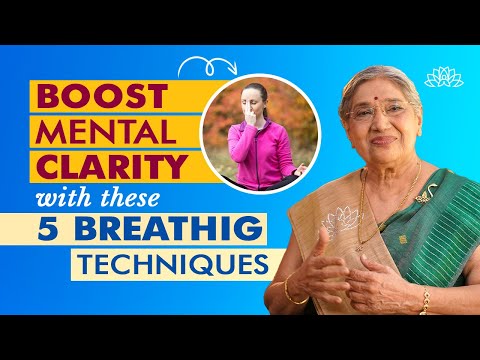
Yoga breathing? Oh man, it’s a game changer. Seriously.
I remember when I first tried it. There I was, sitting on my mat like a pretzel, feeling all kinds of stressed. Then, my instructor guided us through some simple breathing techniques. It felt like someone took a weight off my chest.
That’s the beauty of it—you don’t need to be a yoga pro to reap the benefits. Breathing properly can totally shift your mood and clear your mind.
So, if you’re curious about how to feel calmer or just want to chill out after a long day, let’s talk about some easy yoga breathing tricks that can help boost your mental wellbeing. Sound good? Cool!
Discover the Best Pranayama Techniques to Boost Your Mental Health
Pranayama is this fascinating practice that stems from yoga. It’s all about breathing techniques, and believe me, these can do wonders for your mental health. Imagine being able to calm your racing thoughts just by focusing on your breath. It’s pretty powerful stuff.
First off, let’s talk about what pranayama actually is. Basically, it means “control of breath.” The idea is that our breath is super connected to our emotions. When you’re stressed or anxious, your breathing tends to get shallow and fast. But with pranayama, you can slow everything down and find some peace.
Now, here are a few techniques that might really help you out:
- Ujjayi Breath: This one’s often called “ocean breath.” You create a soft sound as you breathe in and out through your nose. It can really anchor you in the moment.
- Nadi Shodhana: Also known as alternate nostril breathing. You block one nostril while breathing in through the other and then switch it up. It helps balance the mind and is super soothing.
- Kapalabhati: This technique involves short bursts of exhalation followed by passive inhalation. It’s like giving your brain a little wake-up call! Just be mindful if you have any respiratory issues.
- Bhramari: Known as “bee breath,” this involves making a humming sound while exhaling. It’s really calming—it feels like you’re wrapping yourself in a cozy blanket of sound!
You may be wondering why all this focusing on breathing matters for mental health? Well, studies show that controlled breathing can decrease anxiety levels and improve focus. Picture someone sitting at their desk feeling overwhelmed with work—taking just a few minutes to practice these techniques can really change their day.
One time, I tried Ujjayi Breath before going into a big meeting at work. I was nervous but focused on my breath for just a couple of minutes beforehand, and honestly? I felt way more grounded when I walked in there.
Another great thing about pranayama is how flexible it is! You can do these practices almost anywhere—at home, during lunch breaks, or even when waiting in line at the store (seriously!). Just remember to carve out some time for yourself.
And while pranayama can be incredibly beneficial, it’s not a replacement for professional help if you’re dealing with serious mental health issues like depression or PTSD. They’re real struggles and need proper support from someone trained.
So next time life feels like too much or your mind’s racing at 100 mph, give these breathing techniques a shot! You just might find some quiet amidst the chaos.
Mastering Yoga Breathing: 5 Essential Rules for Mental Clarity and Relaxation
The thing with yoga breathing, or **pranayama**, is that it can seriously transform how you feel. A lot of folks underestimate the power of their breath. But mastering it could really help you find some mental clarity and relaxation. So let’s dig into some essential rules to keep in mind.
1. Find Your Comfortable Position
First off, before you start, get comfortable. You don’t need to twist yourself into a pretzel. Just sit cross-legged on a mat, or heck, even in a chair works! The goal is to make sure your back is straight and your shoulders are relaxed. When you’re comfortable, it’s easier to focus on your breath without distractions.
2. Breathe Deeply
The next step? Take deep breaths! Not those little, shallow ones we often do when we’re stressed out. Instead, try inhaling through your nose for about four counts, letting your belly expand like a balloon. Then exhale slowly through your mouth for around six counts. Can you picture that? It’s like filling up a balloon then gently letting the air out—calming and refreshing.
3. Count Your Breaths
This might sound a bit simple but counting can be super helpful! When you inhale and exhale, try counting each breath cycle: inhale one, exhale two… and so on until you hit ten. After that, start again at one! It keeps your mind in the moment instead of wandering off to stressville.
4. Use Visualization Techniques
Now here’s where it gets interesting—visualization can make a huge difference! As you breathe in deeply, imagine filling yourself up with light or warmth; think of something that makes you happy—maybe it’s a sunny day or your favorite memory. Then as you breathe out, visualize all the tension or worries leaving your body like dark smoke fading away.
5. Practice Regularly
Lastly—consistency is key! Even if it’s just five minutes each day when you wake up or before bed, practice those breathing techniques regularly. You’ll find over time that not only does it improve mental clarity but also helps deepen relaxation more than ever before.
So there you have it! These rules aren’t set in stone but they can definitely guide you toward better mental well-being through yoga breathing techniques. I mean seriously, who doesn’t want to feel calmer and more focused? Just remember: finding your own rhythm with these practices is what matters most!
Discover the Power of Breathing Exercises for Enhancing Mental Health
Breathing exercises, or pranayama as they call it in yoga, can be real game changers for your mental health. You might think, “It’s just breathing, right?” But hear this: there’s so much power in how we breathe. It can seriously impact your mood, focus, and overall well-being.
When you’re stressed out or anxious, your breathing often gets shallow and quick. This can make you feel even more on edge. But by practicing deep breathing exercises, you actually give your body signals to calm down. It’s like hitting the reset button on your brain!
Here are a few key benefits of breathing exercises:
Let me share a quick story with you. I once had this friend who struggled with anxiety before big presentations at work. Like clockwork, her heart would race and she’d start sweating just thinking about it. One day she stumbled upon some simple breathing techniques online. She started doing them before her meetings—deep inhales through the nose, slow exhales through the mouth—and gradually noticed that her anxiety faded! Just like that! She felt more grounded and ready to tackle whatever came her way.
You don’t have to be a yoga pro to try these techniques either. Here are two popular ones:
1. Box Breathing: Picture a box in your mind. Inhale for four counts (1-2-3-4), hold for another four counts (1-2-3-4), exhale for four counts (1-2-3-4), hold for another four counts again (1-2-3-4). Repeat this cycle a few times.
2. 4-7-8 Breathing: Inhale through your nose for a count of four, hold that breath for seven counts (this part is super important!), then exhale slowly through your mouth for eight counts.
Both techniques are super easy to incorporate into daily life—like during breaks at work or even while chilling at home on the couch.
Now here’s the thing: consistency is key! The more regularly you practice these exercises, the better you’ll feel over time. And hey—sometimes life gets hectic; it’s totally okay if you forget now and then.
More than anything, remember that taking a moment to breathe deeply is like giving yourself a little gift every day—a small but mighty act of self-care that adds up! You’ve got this!
So, let’s talk about yoga breathing techniques. Seriously, they can be a game changer for your mental wellbeing. You know how life sometimes feels like it’s moving at a million miles an hour, right? It’s stressful! I remember this one time when I was feeling completely overwhelmed with work and life, and I took a yoga class honestly just to try and get my head straight. The instructor spent a good chunk of time talking about breath and how just taking a moment to focus on it can shift everything.
Breathing techniques are pretty simple but powerful. One technique that stuck with me is called «Ujjayi breath.» It’s like this ocean sound you make while inhaling and exhaling through your nose. At first, it felt kind of silly, like I was trying too hard to recreate waves or something. But after a couple of minutes, it actually calmed me down. It’s wild what just shifting your focus to your breath can do for those racing thoughts swirling around.
There are other methods too—like deep belly breathing or box breathing—which sounds fancy but is really just inhaling for four counts, holding for four counts, exhaling for four counts… you get it? It’s such a simple rhythm that can help center you when life’s chaos feels out of control.
The beauty is in how accessible this stuff is. You don’t need to be an expert yogi or do complicated poses; it’s all about pausing and connecting with your breath. So next time you’re feeling anxious or scattered, try out some breathing exercises for even just five minutes. You might find that instead of feeling overwhelmed by everything going on around you, it’s like you’ve hit the reset button.
So yeah, these breathing techniques aren’t just some trendy wellness fad—they’re tools we can use every day to take care of our mental health in real-time. And honestly? That kind of self-care should be part of everyone’s routine!