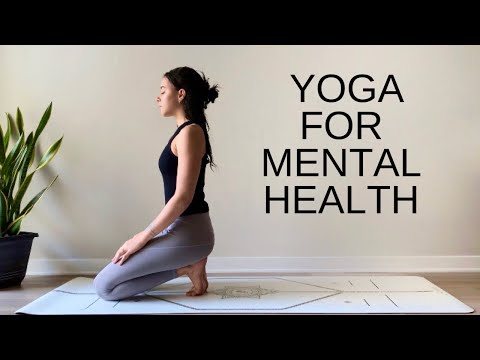
You’re feeling stressed, right? Like everything’s piling up and it’s too much. I get that.
Let me tell you, yoga can be a total game-changer. Seriously! It’s not just about bending and stretching. It’s about finding that chill space in your mind.
Imagine getting through the day with more peace and less anxiety. Sounds good, huh?
There are some super simple relaxation techniques tucked away in yoga that can help you feel lighter and brighter.
So, if you’re curious about tapping into a calmer version of yourself, stick around! You might just find something that resonates with you.
Transform Your Mental Wellbeing: Essential Yoga Relaxation Techniques in Our Free PDF Guide
Mental wellbeing is such a complex territory, but yoga relaxation techniques can really make a difference. By practicing yoga, you’re not just stretching your muscles; you’re also giving your mind a chance to chill out. You know how life can throw curveballs at you? Well, these techniques can help you catch those curveballs instead of letting them knock you down.
One great way to start is with simple breathing exercises. They sound basic, but the thing is, when you focus on your breath, it grounds you. You might try deep belly breathing. Just find a comfy spot, close your eyes, and breathe in through your nose while letting your belly expand. Hold that breath for a few seconds, then slowly release it through your mouth. It’s almost magical how this can calm racing thoughts.
Then there’s forward folds. This movement isn’t just about bending over; it actually helps relieve tension in both the body and the mind. When you hang forward from a standing position or sit down with legs stretched out and bend toward your toes, let gravity work its magic. It’s like saying “bye-bye” to stress—seriously!
Another fantastic technique is the child’s pose. Feels cozy and safe! Just kneel down on the mat, rest your forehead on the ground while stretching arms out in front of you or alongside your body. You’ll discover how much calmness this pose can create—it’s like wrapping yourself in a mental hug.
You might also want to explore guided imagery. Picture happy places or peaceful scenes while doing some gentle stretches or lying still. This visualization helps transport your mind somewhere serene—beach sounds or forest rustling can make all the difference.
Oh! And don’t overlook progressive muscle relaxation. By tensing and then relaxing each muscle group—starting from toes to head—you’ll notice that tension melts away. Who couldn’t use more of that?
Practicing these techniques regularly creates habits that support ongoing mental wellbeing. It’s about building a little refuge within yourself that no one can touch.
So if you’re interested in diving deeper into these practices but want everything at your fingertips without breaking the bank—or spending ages looking it up—there are guides available for free! Seriously handy resources are only an internet search away! A PDF with more specifics could be just what you need to kickstart this journey.
Remember though: everyone’s experience is unique. So find what resonates with you and stick with it! Your mental wellbeing deserves attention, so give these yoga relaxation techniques a try while embracing the peace they offer.
Unlocking Mental Wellness: The Benefits of Yoga for Mental Health – Free PDF Guide
Yoga has become a popular practice for good reason. It’s not just about stretching or looking cool in a downward dog pose. Seriously, it turns out that yoga can be a real game changer for your mental health. You know, it’s like hitting two birds with one stone—you get some physical benefits and also help clear your mind at the same time.
When you think about yoga, you might picture relaxing poses and meditative breathing. But there’s more to it, like the way it helps you connect your body and mind. This connection is huge for mental wellness. It kind of pulls everything together and can lead to **reduced stress levels**. Stress eats away at our mental state, and yoga brings that down by stimulating the relaxation response in our bodies.
Now, let’s break this down into some key points:
- Mindfulness: Yoga encourages being present in the moment which can help reduce anxiety and improve focus.
- Emotional Regulation: The practice helps cultivate awareness of your thoughts and feelings, leading to better emotional control.
- Physical Release: Holding onto tension in your body can contribute to mental stress. Poses help release that tension.
- Community Connection: Joining a class fosters a sense of belonging, which is vital for mental health.
Think about it: when you’re on the mat, you’re often encouraged to focus on your breath or a mantra. This allows you to hone in on yourself rather than getting lost in worries about work or personal stuff.
Let me throw in an emotional anecdote here—imagine Sarah, who was struggling with anxiety after losing her job. She felt trapped in her head all day long until she decided to try yoga as a way to cope. The first few classes were rough; she couldn’t quiet her mind and felt distracted by everything around her. But slowly—like really slowly—she began to see changes. After a couple of weeks, she started noticing that during class her thoughts would drift less often. Instead of worrying about what was next or regretting the past, she found herself finally sitting with those feelings without judgment.
Plus, there’s something magical about the deep breathing techniques taught in yoga classes. Breathing exercises like “pranayama” help calm your nervous system down—pretty cool right? When you’re feeling overwhelmed or anxious, just taking time to breathe deeply can bring serious clarity.
And let’s not forget how physical activity boosts your mood through endorphins—the good vibes hormones! So while you’re working through those poses or flowing from one position to another, you’re also elevating your mood over time.
To wrap this up without sounding too preachy: integrating yoga into your routine doesn’t have to be overwhelming or intense. Even if it’s just five minutes of stretching at home with some calming music playing in the background—it counts! Mental wellness is all about finding what works best for you personally.
So if ever you’ve thought about giving yoga a shot—or even revisiting it after some time away—it could be worth it for both your body and mind! Remember that every little step counts toward better overall well-being!
Discover the Top 5 Mental Health Benefits of Yoga for a Balanced Mind
Yoga is more than just a trendy workout. Seriously, it’s like this ancient practice that wraps your body and mind in a blanket of chill. If you’ve ever felt super stressed or anxious, yoga might just be what you need to balance things out mentally. Here are some major mental health benefits that yoga can bring to the table.
- Reduces Stress: First off, yoga is fantastic for stress relief. The deep breathing and slow movements help calm your nervous system. So the next time you find yourself overwhelmed, hitting the mat can help you breathe those worries away.
- Enhances Mood: You know that feeling when you finish a session and everything feels lighter? That’s not just in your head! Yoga boosts your mood through the release of feel-good hormones like serotonin. It’s like giving your brain a happy little hug.
- Improves Focus: You ever sit down to work but can’t seem to concentrate? Yoga helps with that! Practicing mindfulness on the mat trains you to be present, which spills over into other areas of life. So, yeah, say goodbye to distractions and hello to laser focus!
- Builds Resilience: This one’s big! When you practice challenging poses, you’re literally teaching your mind and body how to deal with discomfort. Over time, this resilience carries into daily life situations—like handling tough conversations or navigating stressful environments.
- Promotes Emotional Awareness: Yoga encourages you to tune into your feelings without judgment. It’s like looking in a mirror but with kindness instead of criticism. The more aware you are of your emotions, the easier it is to manage them.
To sum it up, practicing yoga isn’t just about flexibility or strength; it’s deeply connected to mental well-being. When you’re feeling low or scattered, hitting those yoga poses can really help clear out the mental clutter. So why not roll out that mat and give it a shot? Your brain—and body—will thank you later!
You know, sometimes life just throws too much at us. Work stress, relationship drama, or even just the chaos of everyday responsibilities can pile up and take a toll on your mental health. I remember a time when I was juggling a demanding job and some personal issues. My mind felt like it was in a constant spin cycle of worry, and I knew I had to find a way to calm things down.
That’s when I stumbled upon yoga. At first, it felt kinda weird; I mean, rolling out a mat and trying to focus while my thoughts were racing? But once I got into it, wow! There’s something about the combination of deep breathing and gentle stretching that really works wonders for your mind.
Yoga isn’t just about the poses (although they’re great). It’s also about relaxation techniques that help you tune in to yourself. One simple technique is called «Savasana,» or the Corpse Pose. You lie down comfortably and focus on letting go of tension while taking slow breaths. While my mind was trying to throw reminders at me—like “Did you pay that bill?” or “What’s for dinner?”—I kept bringing my attention back to my breath. It was like hitting a reset button for my brain.
Another fab technique involves the «4-7-8 breathing.» You breathe in for four seconds, hold for seven, and then breathe out slowly for eight seconds. It sounds super simple but trust me—it can make you feel like you’ve hit pause on all the chaos swirling around you.
And hey, let’s not forget about mindfulness! Practicing mindfulness during yoga makes everything feel more grounded. When you’re in the moment—focusing on how your body feels with each pose—you’re kinda training your brain to let go of anxiety and worries about tomorrow or next week.
But here’s where it gets real: finding a few minutes every day—or even every other day—to practice these techniques can lead to some seriously positive changes in your mental well-being. You may start feeling less anxious or more centered as you navigate whatever life throws your way.
In short, yoga relaxed me more than I ever thought possible. It wasn’t an overnight fix by any means; after all, it takes time to create new habits. But once you start incorporating relaxation techniques into your routine, it’s wild how much lighter life can feel! So why not give it a shot? Maybe roll out that mat—you might find exactly what you need waiting right there with every deep breath you take.