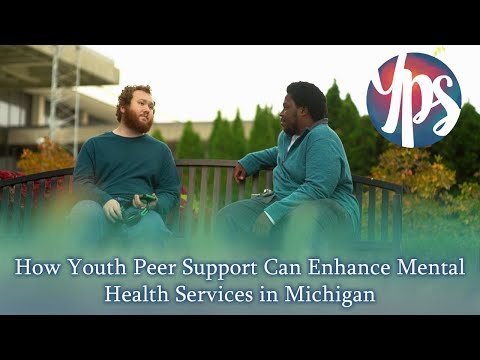
You know, being a teenager can feel like a rollercoaster sometimes, right? One minute you’re on top of the world, and the next, it’s like everything’s crashing down.
Seriously, emotions are all over the place! And for many young people, dealing with mental health stuff on top of that—well, it can be tough.
That’s where peer support comes in. It’s this amazing idea where friends help each other through the ups and downs. When you’ve got someone who gets it—who’s been there—it makes a huge difference.
Imagine chatting with a friend who really understands your struggles. No judgment, just support. Sounds nice? It is! So let’s dive into how empowering youth through peer support can change lives for the better.
Empowering Young Minds: The Importance of Youth Peer Support Certification
Empowering young minds is super important, especially when it comes to mental health. The idea of youth peer support certification is a game changer. You know, having trained peers who can relate to each other? It creates a safe space for sharing experiences and feelings.
What’s essential about this certification is that it helps young people learn how to support one another effectively. They get trained in active listening, empathy, and understanding mental health challenges. And let’s face it, teens often feel more comfortable talking to someone their own age than an adult. It’s like, they get it; they’ve been there.
When we think about the challenges young people face today—like anxiety and depression—peer support can be a lifeline. Imagine a teenager named Jake who feels overwhelmed by school pressures and social media expectations. He might hesitate to talk to a teacher or parent but feel at ease chatting with someone who’s been through a similar struggle. That’s where certified peer supporters play such a crucial role.
Peer support doesn’t just help the one receiving support; it empowers the supporter too! When young people take on this role, they gain confidence and skills that’ll benefit them for life. They learn about responsibility and compassion, which can positively impact their own mental health in the long run.
Plus, there’s this whole aspect of community building within schools or youth organizations. When students connect through shared experiences, they create stronger bonds. These connections can combat feelings of isolation that many young folks face today.
But there’s also some training involved in youth peer support certification! The participants usually go through workshops where they explore topics like confidentiality, boundaries, and recognizing when someone may need professional help—which is huge! It’s important for them to know their limits.
Finally, certified peer supporters can advocate for mental health awareness in broader ways too! They can organize events or campaigns in schools that promote open conversations about mental health and well-being. It starts with one voice but can turn into an entire movement!
So really, supporting youth through peer certification isn’t just about giving them tools—it’s about empowering them to become advocates not just for themselves but for others too. And ultimately? That creates healthier communities with understanding individuals who look out for one another!
Unlocking Healing: The Impact of Peer Support on Mental Health Outcomes
Peer support in mental health is a really powerful thing. It’s all about people coming together, sharing their experiences, and helping each other out. Imagine feeling lost or overwhelmed, and then finding someone who just gets it. That’s what peer support can do.
When you’re going through tough times, talking to someone who’s been there can make a world of difference. They don’t just listen; they understand your struggles because they’ve faced similar ones. This connection can help you feel less alone.
Here are some key ways peer support impacts mental health:
Looking back at my own experience, I remember how lonely I felt during tough times in high school. Once I found a few friends who had also struggled with anxiety and depression, everything changed for me. We would share our ups and downs during lunch—sometimes laughing about the things that seemed too serious before—and it really lightened the load.
It’s also important to think about how peer support fosters resilience among youth specifically. Young people have so much going on—school pressures, social media ups and downs—and sometimes it feels like they’re carrying the weight of the world on their shoulders.
The benefits of peer support for youths include:
And let’s not forget technology’s role here! Online platforms allow young people from different backgrounds to connect over shared experiences even if they’re miles apart—seriously cool stuff.
In sum, peer support is like a bridge between isolation and healing; it fosters connections rooted in understanding and empathy. If you’ve ever felt alone in your struggles (and let’s be honest—we all have at one time or another), remember there are people out there ready to walk alongside you on this journey toward feeling better!
Empowering Youth: Exploring Career Opportunities in Peer Support Roles
Empowering youth through peer support roles is like planting a seed for change in mental health. When young people connect genuinely with others who get their struggles, it can spark hope and healing. Plus, it gives them a chance to step into leadership positions, which is a win-win!
So, what exactly are peer support roles? These are positions where individuals use their lived experiences to help others facing similar challenges. Think about it—when you’re struggling with something, sometimes just talking to someone who’s been through it makes all the difference. Youth in these roles can provide that support.
- Shared Experience: Being able to relate personally helps build trust. Imagine chatting with someone who’s felt the same weight on their shoulders. It opens doors for honest conversations.
- Skill Development: Taking on a peer support role isn’t just about helping others; it’s also about growing personally and professionally. From communication skills to empathy, youth learn valuable tools they can use in various careers.
- Community Building: Peer supporters often create safe spaces where young people feel seen and heard. This can lead to stronger communities that uplift everyone.
- Advocacy Opportunities: Many youth in these roles become advocates for mental health awareness and policy changes. It’s amazing how one person’s voice can lead to larger movements!
Now, let’s consider real-life examples. Take Emma, a 17-year-old who struggled with anxiety. After realizing how powerful it was to share her story, she became a peer support worker at her school’s mental health club. She started leading workshops and connecting fellow students with resources, creating an environment where everyone felt comfortable sharing their feelings.
Or think of Jason, who faced depression but found strength in helping others fight similar battles. He began mentoring younger students through local non-profits focused on mental wellness. His journey not only aided his own healing but also inspired those around him.
It’s important to mention that while peer supporters do incredible work, they’re not substitutes for professional therapists or counselors—they complement traditional mental health services. They work alongside professionals and help bridge gaps that might exist between clinical care and community support.
Equipping youth with the opportunity for peer support roles means preparing them for the future while also addressing the immediate needs of their peers facing mental health challenges today. The energy is contagious when young people come together with shared goals of understanding and compassion!
Incorporating peer support into mental health initiatives could lead us all toward healthier futures—because when we empower our youth today, they’re more likely to create positive changes tomorrow! Isn’t that something worth our attention?
You know, when I think about mental health and young people, it really strikes me how important peer support is. It’s like, seriously, who understands you better than someone your age going through similar struggles? I remember when my friend Sam was having a tough time. We were in high school, and honestly, just chatting over a pizza made a world of difference for both of us. We didn’t have all the answers; we just had each other to lean on.
Peer support can create this safe little bubble where young folks feel comfortable sharing their feelings without judgment. Like, how often do you think teens are truly open with adults? Not that it’s easy even with friends, but it’s definitely a start. Having those honest conversations can break down barriers—suddenly mental health isn’t this taboo topic anymore; it’s just part of life.
I mean, let’s be real: teenagers are already facing so much pressure—from schoolwork to fitting in to social media realities. They need allies who get what they’re going through. That kind of camaraderie can help build resilience and give them tools to handle challenges better. Imagine feeling empowered because your friend said something like, “I’ve felt that way too,” or “You’re not alone.” It validates experiences that might feel isolating otherwise.
But here’s the kicker: peer support doesn’t just help those who are struggling; it also empowers those providing support. You know how they say you learn the most when teaching others? Well, when young people engage in these support roles, they gain confidence and develop empathy—skills that go way beyond high school hallways.
Look, there’s definitely some cautious ground here too. Sometimes friends aren’t equipped to help one another effectively—they might unintentionally say the wrong thing or not have the emotional tools needed for deeper issues. So it’s super important that peer support is paired with proper resources and guidance from trusted adults or mental health professionals.
In the end—just thinking back to my own experiences—it’s refreshing to see how empowerment through peer connections can really change lives for youth today. With the right backing and platforms available for sharing these feelings openly, who knows what amazing things could come from such powerful connections?