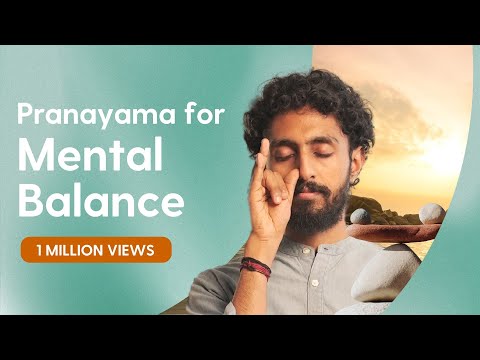
Hey! So, you know how life can get super hectic sometimes, right? Like, you’re juggling work, family, maybe some drama with friends. It can really stress you out.
Well, that’s where something called pranayama breathing comes in. It’s like this cool tool to help you chill out and find your center. Seriously, it’s all about taking a breath—literally!
Imagine sitting down for just a few minutes and feeling a wave of calm wash over you. Sounds great, huh? You don’t need any fancy equipment or even a ton of time. Just you and your breath.
I found this awesome YouTube channel that breaks it all down in the easiest way possible. Trust me; after trying it out, I felt so much lighter! If you’re curious about how to breathe your way to better mental wellness, this is for you.
Discover the Best Pranayama Techniques for Boosting Mental Health and Well-Being
Pranayama is all about breath control, and it’s pretty cool how it can totally boost your mental health and well-being. You see, your breath is connected to your emotions. When you’re stressed, your breathing becomes shallow and fast. Practicing pranayama helps with that, bringing back a sense of calm.
Here are some key techniques you might wanna check out:
- Ujjayi Breath: This technique involves breathing in and out through the nose while slightly constricting the throat. It creates a soothing sound like ocean waves. Many people find it grounding.
- Nadi Shodhana (Alternate Nostril Breathing): This one’s super popular for balancing the mind and body. You close one nostril while inhaling through the other, then switch. It’s like giving your brain a little reset.
- Kapalabhati (Skull Shining Breath): This is more energizing! You take a deep breath in, then forcefully exhale through your nose while pulling your belly in. It’s great for clarity—like waking up on a fresh morning!
- Bhramari (Bee Breath): Here, you hum like a bee while exhaling—easy peasy! This technique helps ease anxiety and promotes relaxation.
Practicing these techniques regularly can lead to several benefits for mental health:
- Reducing Anxiety: Just a few minutes of focused breathing can lower that anxious feeling creeping up on you.
- Improving Focus: When you’re more aware of your breath, it trains your mind to concentrate better.
- Enhancing Sleep Quality: Slow and controlled breathing prepares the body for restful sleep by calming the nervous system.
I remember when I first tried Ujjayi breath during an overwhelming moment at work. I stepped away, closed my eyes, and just focused on my breathing—the way it felt filling my lungs. Honestly, it was like flipping a switch from chaos to peace within minutes.
You know what? There are tons of videos on YouTube showing you these techniques step-by-step. They can guide you through different sessions depending on how much time you’ve got or what mood you’re in.
So basically, giving pranayama a shot might just be one of those small changes that lead to big shifts in how you feel day-to-day. It’s all about taking those moments for yourself—and trust me; those moments are worth it!
Exploring the Impact of Pranayama on Blood Pressure: A Path to Better Mental Health
Pranayama is this amazing technique from yoga that focuses on breath control. It’s like giving your mind and body a little reset button. So, here’s the deal: engaging in specific pranayama practices can really influence your blood pressure, which can have a positive ripple effect on your mental health.
When you practice pranayama, you’re doing more than just breathing. You’re actively shifting your body’s response to stress. Think of it like switching from high-speed to slow-motion. When you slow things down with deep, controlled breathing, you help your body chill out and lower those stress hormones. As a result, many people notice their **blood pressure** begins to drop.
Here are some ways pranayama impacts blood pressure:
Now let me share a little story with you about a friend of mine named Jake. He had been dealing with some high blood pressure and was honestly stressed out all the time. After hearing about pranayama from a yoga class he couldn’t resist trying it out — seriously doubting it would help him much at first! But over weeks of practicing those simple breathing techniques every morning, he started feeling calmer throughout his day-to-day life. Not only did his doctor notice his blood pressure dropping at his next check-up, but Jake also felt this newfound sense of mental clarity and calm.
Another cool thing is that when people make pranayama part of their routine, they often report better sleep patterns too! Quality sleep plays a big role in managing stress and keeping emotional health in check.
Incorporating pranayama techniques, especially if you’re feeling overwhelmed or anxious about life’s ups and downs, can be super beneficial for both your body and mind. It’s not just about sitting cross-legged with your eyes closed; it’s all about finding that breath rhythm that works for you.
So yeah, next time life feels like it’s spinning out of control or your heart seems to race without reason, give those breathing exercises a shot! You might just find they create some serious changes—one breath at a time!
Discover the Psychic Breath: Unveiling the Power of Pranayama for Mental Clarity
Feeling a bit foggy in your head? Or maybe you’re just seeking that mental boost? Well, that’s where pranayama comes in. It’s this really cool set of breathing techniques from yoga that can help you gain mental clarity and calmness. So, let’s unpack that a bit.
Pranayama isn’t just about deep breathing; it’s more like an art form for your breath. The word itself means “control of breath,” and it’s been utilized for centuries. When you learn to control your breath, you also learn to manage your thoughts and emotions. Pretty neat, huh?
Now, **what are the benefits?** Here are a few to think about:
So, how do you get started? Well, there are a bunch of pranayama techniques out there. One popular method is Nadi Shodhana, or alternate nostril breathing. Basically, it involves inhaling through one nostril while closing the other, then switching sides. You know how sometimes closing one eye lets you see things differently? This is kind of like that but for your brain.
Another favorite is Kapalabhati, or skull-shining breath. Sounds fancy, right? You take quick bursts of air in and out while engaging your core muscles. It can feel energizing—like a shot of espresso for your brain without the jitters.
And here’s something to keep in mind: consistency is key! Just like working out or eating healthy, practicing pranayama regularly will give you better results over time.
Let me throw in a personal story here: I remember trying pranayama during a particularly stressful week at work. I felt overwhelmed and couldn’t focus on anything at all. After just ten minutes of focused breathing each morning, my mind felt clearer and more grounded throughout the day! Seriously—it was like wiping away the fog.
If you’re curious, there’s tons of content on YouTube about pranayama practices for mental wellness—plenty of guided sessions to get you started if you’re not sure where to begin.
In short, exploring pranayama could be an awesome way to support not just your physical health but also give those mental gears a good polish! As with anything new though, it may take some practice before it feels natural—and that’s totally okay!
You know, it’s kind of amazing how something as simple as breathing can have such a huge impact on your mental health. I mean, we all do it naturally, right? But when you start to think about it in terms of pranayama breathing techniques, it feels like you’re tapping into this whole other world of wellness.
I stumbled across a bunch of YouTube videos on pranayama the other day. Honestly, I was just looking for some chill-out music for my background while I worked, but then these instructors popped up, guiding viewers through deep breaths and controlled exhales. At first, I thought, «How can breathing be so special?» But once I started following along, man, did my perspective shift.
The thing is, when you focus on your breath—really focus—it’s like everything else fades away. Remember that moment when you were stressed out about life? Maybe an exam or a tough conversation with a friend? It’s like that weight just lifts when you take those deep breaths. You close your eyes and feel your chest expand and contract. It’s soothing in a way that’s hard to describe.
There was this one video where the instructor talked about how pranayama can help with anxiety and stress levels. They said something that really stuck with me: “Breath is the bridge between the mind and body.” It’s kind of poetic if you think about it! Mind racing? Just breathe deeply for a few minutes. It sounds simple but trust me; the change can be pretty profound.
Plus, let’s not forget how accessible it all is! You don’t need fancy equipment or even much space; just find a cozy spot in your home or wherever you are—you get what I’m saying? And there’s such variety too! From calming techniques perfect for winding down after a hectic day to energizing ones that could kickstart your morning better than coffee ever could.
If you’re curious (and I’m sure many are), why not check out some videos yourself? It’s wild how much clarity and peace of mind can come from something so basic yet so powerful. Just don’t be surprised if after a few sessions you find yourself feeling more grounded or even more connected to your own thoughts and feelings.
So yeah, next time life throws those curveballs at you—or even if it’s just one of those days—consider giving pranayama a shot. You might surprise yourself with what those simple breaths can do for your mental wellness.