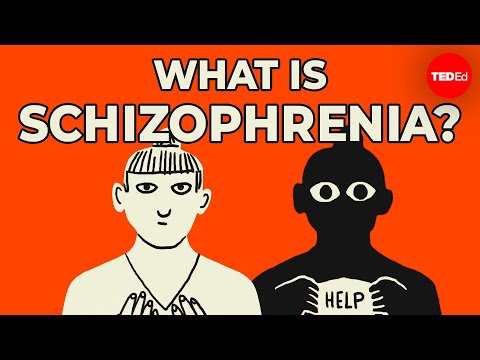
YouTube. It’s like this huge digital playground, right? Everyone’s posting videos about everything from cooking to conspiracy theories. But you know what’s super interesting? How it’s becoming a big deal for mental health awareness, especially when it comes to conditions like schizophrenia.
You might have seen those personal stories or expert chats pop up in your feed. Some of them are eye-opening! They totally change how people think about schizophrenia. Instead of just hearing about it in a textbook, you get real-life experiences and honest discussions.
But here’s the thing: while some content is super insightful, other stuff can be pretty misleading too. So, isn’t it wild how this platform can shape our understanding? Let’s dig into how YouTube is doing just that—changing perceptions and raising awareness about schizophrenia one video at a time.
Exploring the Impact of YouTube on Mental Health: Benefits, Risks, and Insights
YouTube has become this massive platform that shapes how we view, understand, and talk about mental health—especially conditions like schizophrenia. It’s wild how many channels out there focus on personal stories, expert opinions, and even animated explanations of what schizophrenia really is. This mix can be a double-edged sword, you know?
Benefits of YouTube for Schizophrenia Awareness
First off, it helps to spread awareness. When people hear firsthand accounts from those living with schizophrenia, it breaks down misconceptions. Like a friend of mine once watched a powerful video where someone shared their journey living with the condition. It really opened her eyes to the fact that those experiences are nuanced and deeply human, rather than just what you see on TV.
Another perk? Community building! There are tons of channels where viewers can find support and connection. Comments sections can turn into mini-support groups where tips are exchanged or just encouragement is passed around. You know that feeling when someone says they totally get you? That’s what these spaces can offer!
Risks Associated with YouTube Content
But with all the good stuff comes some risks too. Misinformation is a biggie here. Not every video out there is carefully curated by professionals; some content creators may lack credibility or even misrepresent facts about schizophrenia. Imagine watching a clip that makes you think medication isn’t important when, for some people, it’s life-changing—that could lead to dangerous misunderstandings.
Another issue? Over-simplification of serious matters! Some videos might present schizophrenic experiences in a light-hearted manner or reduce them to just “quirky” behaviors for views. This can trivialize real struggles that people face daily.
Insights from Watching YouTube
So what does this mean overall? YouTube acts like both a mirror and a spotlight—it reflects what society thinks while also shining light on lesser-known experiences. The insights gained from watching these videos can challenge stigma but can also reinforce stereotypes if the content isn’t well-thought-out.
If you find yourself diving into these videos, it’s essential to keep your critical thinking hat on! Look for channels run by professionals or those who share genuine experiences without sensationalizing them.
In the end, YouTube has this incredible potential to shape understanding around mental health issues like schizophrenia—but it’s like anything else: take the good with the bad and always question what you’re seeing!
The Impact of Media Representation on Schizophrenia: Understanding Perception and Stigma
Media representation can really shape how we think about mental health, especially when it comes to something as complex as schizophrenia. It’s wild how the stories and images we see can affect our feelings and beliefs. So, let’s break this down a bit.
When you think of schizophrenia, what comes to mind? Probably those intense movie scenes where characters are portrayed as violent or completely out of control. Unfortunately, this kind of portrayal is super common in films and shows. It creates a scary image of what schizophrenia really is, making it seem dangerous and unpredictable. But that’s just not the full story.
On platforms like YouTube, there’s been a shift. Many individuals living with schizophrenia are sharing their experiences directly. They talk candidly about their feelings, challenges, and day-to-day lives. This grassroots effort helps humanize the condition and break down some of those harmful stereotypes.
Think about it; when you hear real stories from real people, it makes a difference. You start to see that schizophrenia isn’t just about hallucinations or delusions—it’s about managing life with an illness that affects thoughts and perceptions in profound ways.
But here’s the thing: stigma still lurks around every corner because media often emphasizes only the more dramatic aspects of mental illness. When people watch sensationalized portrayals on TV or in movies, they might associate schizophrenia with violence more than anything else—not realizing that most folks with this condition are not violent at all!
Social media can be a double-edged sword too. On one hand, it gives a voice to those who want to share their stories; on the other hand, sensationalist headlines can spread misinformation faster than ever! And let’s be honest—who hasn’t clicked on an outrageous title while scrolling through feeds?
So here are some key thoughts regarding media representation:
- Sensationalism vs Real Stories: Sensationalized representations fuel irrational fear.
- Community Voices: YouTube creators sharing their journeys help demystify and humanize schizophrenia.
- Narrative Control: When individuals tell their own stories, they can reshape public perception.
- The Role of Education: Accurate portrayals lead to better understanding and empathy; education counters stigma.
Let’s take Jenna—a YouTuber living with schizophrenia who shares her daily struggles and victories online. When she talks about her experiences dealing with voices or anxiety attacks, her audience gets to see the reality check behind the label rather than just stark horror-movie tropes.
In many ways, platforms like YouTube have become crucial for those seeking accurate information while providing support for each other. It’s important for anyone watching to remember; engaging with these personal narratives can foster compassion rather than fear.
The idea is pretty clear: while traditional media may fall short at times in presenting an accurate picture of schizophrenia—YouTube offers a fresh perspective by letting actual voices shine through! Changing perceptions takes time but having these authentic conversations online is definitely a step in the right direction towards reducing stigma around mental illnesses like schizophrenia.
So next time you’re consuming media related to mental health issues—consider where it’s coming from! It’s not just entertainment; it’s shaping perceptions in real time!
Exploring the Impact of Social Media on Mental Health Perceptions: A Comprehensive Analysis
Social media is like the air we breathe these days, right? It’s everywhere, and it shapes our thoughts and feelings in ways we might not even realize. When you look at platforms like YouTube, it’s not just about cute cat videos or makeup tutorials. It has a pretty significant role in altering how people perceive mental health conditions, especially something as complex as schizophrenia.
YouTube and Schizophrenia Awareness
YouTube serves as a powerful platform for spreading information that can change perceptions. Many creators share their personal journeys with schizophrenia. This real-life storytelling can break down stereotypes. Imagine watching someone talk about their experience candidly—it humanizes the illness. Instead of seeing it as just a label, viewers can connect with real emotions and struggles.
But here’s the kicker: while these stories can educate, they often come loaded with bias, sometimes unintentionally reinforcing negative views about people living with schizophrenia. Like when creators dramatize symptoms for entertainment or fail to provide balanced information about treatment options. This can lead to misunderstanding.
The Double-Edged Sword of Misinformation
YouTube is also home to loads of misinformation about mental health. Some folks post content that echoes outdated stereotypes or sensationalizes certain aspects of schizophrenia. This might fuel fear or stigma rather than educating people accurately. Think of those horror movie tropes where someone with a mental illness is portrayed as dangerous—it’s harmful!
Additionally, algorithms play a big role in what you see on YouTube. If you watch one video on mental health, you’ll likely get bombarded with similar content afterward—even if it’s misinformed! It’s like being trapped in an echo chamber where only certain narratives get amplified.
Impact on Self-Perception
When people living with schizophrenia engage with this content, it impacts how they view themselves. Some might find comfort in seeing others share their experiences but could also feel isolated if they don’t relate to the narratives being presented online. Social media can create a sense of community but may also lead to feelings of inadequacy if you don’t fit the mold others portray.
For example, let’s say someone watches videos where creators manage their symptoms well and seem to thrive—this could make another person feel pressured or ashamed for struggling more deeply or not having quick fixes.
The Role of Comments and Community Interaction
Comments sections can be wild! They’re like unfiltered town halls where opinions clash freely—sometimes positively and sometimes very negatively. Supportive comments encourage openness and help build community; however, toxic comments might reinforce stigma or spread misinformation further.
This duality illustrates how crucial it is for viewers to critically analyze what they watch. Engaging thoughtfully means looking for credible sources in among the chaos—like checking out videos from professionals in psychology or psychiatry alongside personal narratives.
To wrap it up, YouTube definitely shapes how we perceive mental health issues like schizophrenia—both positively and negatively. The responsibility falls on all of us to sift through information critically and supportively engage with others who are navigating these waters too! It’s essential to keep talking openly about our thoughts and experiences while also challenging the narratives that don’t serve us well.
So, let’s chat about YouTube and how it’s really stepped up in spreading awareness about schizophrenia. I mean, just think back a few years when if someone mentioned schizophrenia, it was like a scene out of a horror movie. You know? People would freak out or make wild assumptions. But now, you browse through YouTube, and there’s an entire community dedicated to sharing real stories.
I remember watching a documentary about this guy named Jake. He’d been living with schizophrenia for years but decided to start vlogging his experiences. It was raw and honest—like, he shared both the struggles and the little victories. And honestly, it totally changed how I saw things. Instead of that scary stigma, you start realizing that behind every label is a human being with fears, hopes, and dreams.
And let’s talk about the comments section! It’s incredible to see how people rally together to support each other. Some folks share their own battles; others offer kind words or resources. That sense of community? That’s something special.
YouTube also features professionals breaking down all that technical jargon into bite-sized pieces we can understand. Seriously! No one wants to sit through a lecture on neurotransmitters when they’re just trying to grasp what someone with schizophrenia might feel daily.
But there are two sides to this coin too. Sometimes misconceptions still sneak in through sensationalized content or clickbait titles. So while a lot of people are getting educated through these videos, there’s still some misinformation floating around that can keep the stigma alive.
Ultimately, YouTube’s given us a platform where voices that were once silenced can finally be heard—inspiring empathy and understanding along the way. It’s pretty heartwarming when you think about it!