So, let’s chat about this medication called ziprasidone. Ever heard of it?
It’s a bit of a lesser-known player in the mental health world but has some interesting stuff going on.
People often turn to meds when things get tough in their heads. You know, like when anxiety or mood swings start running the show.
Ziprasidone is one of those options that can help bring some balance back into life, you know?
We’re gonna dig into what it really does and how it fits into the bigger picture of mental health treatment. So grab a snack, and let’s get into this!
Exploring the Most Effective Mental Health Medications: What You Need to Know
When you’re talking about mental health medications, it’s like entering a whole new world, right? There’s a lot to unpack. One medication that often pops up is **ziprasidone**, which goes by the brand name Geodon. So let’s break it down.
Ziprasidone is mainly used to treat conditions like **schizophrenia** and **bipolar disorder**. It belongs to a class of medicines called **atypical antipsychotics**. These are different from older antipsychotics because they tend to have fewer side effects, which is kind of a big deal for anyone dealing with serious mental health stuff.
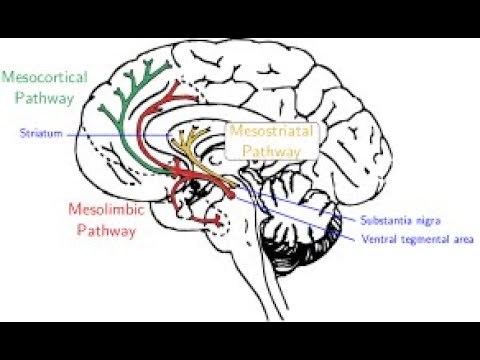
When you take ziprasidone, it works by helping to balance certain chemicals in your brain, mainly **dopamine** and **serotonin**. You might think of these chemicals as your brain’s little messengers. When they’re out of whack, you may feel off too—kind of like when your Wi-Fi is acting up; suddenly everything feels slow or just wrong.
Now, let’s talk about dosing. A typical adult might start with something around 40 mg per day and adjust as needed. Always remember that it’s crucial to have a doc guiding this process—self-medicating can lead to some serious problems.
Like any medication, ziprasidone can have side effects. Some common ones include:
- Drowsiness: Many users report feeling sleepy.
- Nausea: This could be annoying but often subsides.
- Weight gain: Though it’s less common with this drug compared to others.
- A risk of movement disorders: This can happen with antipsychotics, though not as frequently with ziprasidone.
You might be thinking about how long it takes for the medication to kick in. In many cases, you won’t see immediate results—like waiting for a pot of water to boil. Sometimes it can take a few weeks before you really start feeling the benefits.
It’s also important to note that everyone reacts differently. Some people find ziprasidone super effective, while others might not vibe well with it at all—it varies so much based on individual chemistry.
And here’s something else: if you’re on this med or considering it, keeping an open line with your healthcare provider is key. They’ll want regular check-ins and maybe even lab tests over time to monitor how you’re doing, especially with certain risks like heart issues.
So yeah, ziprasidone can play an important role in managing serious mental health conditions. But remember: it’s just one piece of the puzzle! Therapy and lifestyle changes are crucial too—it’s all about finding what works best for you in collaboration with professionals who care!
The Best Tablets for Managing Mental Health Disorders: A Comprehensive Guide
When we’re talking about managing mental health disorders, medications can be a crucial part of the solution. One such medication is **Ziprasidone**, often prescribed for conditions like schizophrenia and bipolar disorder. So, let’s unpack this a bit.
What is Ziprasidone? It’s an antipsychotic medication that works by altering the activity of certain natural substances in the brain. Basically, it helps balance those chemicals that can sometimes go a bit haywire when you’re dealing with mental health issues.
Now, you’re probably wondering about its dosage. The usual starting point for Ziprasidone is around **40 mg** per day, but this can vary based on individual needs and the doctor’s recommendations. It’s like finding the right pair of shoes—everyone’s fit is different.
How does it work? Ziprasidone primarily targets dopamine and serotonin receptors in your brain. Dopamine is linked to pleasure and reward, while serotonin helps regulate mood. By getting these chemicals back in line, you might notice improvements in your mood and overall functioning.
But let’s talk side effects because they’re real. Some folks experience weight gain or drowsiness—definitely something to chat with your doctor about if it starts becoming an issue. You know? Staying informed means making better choices for yourself.
So, what about when you start taking it? It can take several weeks before you see the full benefits of Ziprasidone. That’s why patience is key; it’s like waiting for a plant to grow—you won’t see changes overnight!
Now, here’s something important: never stop taking prescription medications without consulting your healthcare provider. Going off Ziprasidone abruptly could lead to withdrawal symptoms or worsening of your condition. It’s always better to have professionals guiding you through this process.
Also, if you’re already on other medications, make sure to inform your doctor about everything you’re taking—like herbal supplements or even over-the-counter pills—because interactions can happen!
While medication like Ziprasidone plays an essential role in managing conditions, it’s often most effective when combined with therapy or lifestyle changes. Think of it as a team effort; medication can help stabilize things while therapy works on personal growth and coping strategies.
In short:
Managing mental health isn’t easy, but understanding what you’re dealing with can make a big difference. Pairing medication with support from friends, family, or professionals creates a stronger foundation as you navigate through tough times.
Understanding Ziprasidone: How Quickly Can You Expect Relief?
Ziprasidone is an interesting medication that’s often used in the treatment of mental health issues, particularly schizophrenia and bipolar disorder. If you’ve just been prescribed this medication or you’re curious about it, you probably want to know how quickly you can expect some relief from those pesky symptoms.
How does Ziprasidone work? Well, it belongs to a class of medications called atypical antipsychotics. Basically, these meds help balance the chemicals in your brain, especially dopamine and serotonin. This balance can lead to reduced symptoms like hallucinations, mood swings, or anxiety.
Now, onto the million-dollar question: how fast will you feel better? Generally speaking, most people start noticing some effects within hours. But don’t be fooled; that doesn’t mean all your problems will vanish in a snap. The full therapeutic effect usually takes a bit longer—like a few days to a couple of weeks.
Here are some key points to consider:
- Initial Relief: Some patients report feeling calmer or less anxious after just one dose.
- Full Effects: Give it about 4-6 weeks for maximum benefits.
- Dosing Matters: 40 mg is often effective for many people but always consult your doctor about individual needs.
- Tolerance Levels: Everyone reacts differently; some might notice quicker relief while others may need more time.
- Side Effects: Keep in mind that side effects can also pop up early on—sometimes before you even feel any relief.
So imagine if you’re feeling super anxious one day and decide to take Ziprasidone for the first time. You might notice that your anxiety eases somewhat after a few hours. That’s great! But maybe your mood swings or other symptoms will take longer to stabilize.
And remember, staying in touch with your healthcare provider can make all the difference during this time. They’ll monitor how you’re doing and adjust things as needed.
In summary, while Ziprasidone can help many people find relief from their mental health struggles reasonably quickly, it’s important not to put too much pressure on yourself—or the medication—to solve everything instantly. Recovery is often more like a marathon than a sprint!
So, let’s talk about ziprasidone for a minute. It’s one of those medications that gets tossed around in the realm of mental health treatment, especially when it comes to conditions like schizophrenia or bipolar disorder. You know, it’s not just like popping an aspirin for a headache; it’s more complex than that.
Ziprasidone, at a dose like 40 mg, is often prescribed when other options haven’t quite done the trick. It works by balancing out certain chemicals in your brain—primarily dopamine and serotonin. These two are pretty much the dynamic duo when it comes to mood regulation and overall mental well-being, which makes sense why doctors turn to it.
Now, I remember a friend of mine who struggled with severe mood swings. One day she was up and ready to take on the world; the next day? Not so much. She was prescribed ziprasidone after trying a couple of other meds that didn’t seem to fit her vibe. At first, she felt a little uneasy about taking it—who wouldn’t? But over time, it helped bring some stability back into her life.
It’s worth noting though—not everyone’s experience is the same. Some people might hit the jackpot with ziprasidone, while others could have side effects they just can’t deal with. You might hear about things like drowsiness or weight gain; those can be real concerns for sure.
So anyway, if ziprasidone is on your radar—or someone you care about—you’ve gotta keep communication open with whoever’s prescribing it! Keeping track of how you feel day-to-day can really help in figuring out if this medication is doing its job or if adjustments need to be made.
In the end, managing mental health isn’t always a straight line; it’s more like a winding road full of bumps and turns. Ziprasidone could be one part of that journey—a useful tool for some along the way—while others may need different paths altogether. But hey, that’s what makes each experience unique!