Hey, you know how mental health can feel like a rollercoaster sometimes? Like, one minute you’re on top of the world, and the next, you’re just… not? That’s where medications like ziprasidone mesylate come into play.
It’s wild to think about how these little pills can help balance things out in our brains. Seriously. They’re not a fix-all solution, but they can be a game changer for many folks dealing with stuff like schizophrenia or bipolar disorder.
So yeah, let’s chat about what ziprasidone is all about and why it might be worth considering. I promise it’ll be more interesting than you think!
Understanding Geodon: Uses and Benefits in Mental Health Treatment
Geodon, which is the brand name for ziprasidone mesylate, is an antipsychotic medication. It’s primarily used to treat conditions like schizophrenia and acute manic or mixed episodes of bipolar disorder. So, if you or someone you know has been prescribed this medication, it’s probably for one of those reasons.
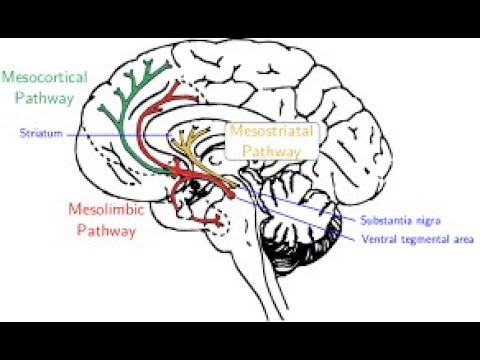
One of the cool things about Geodon is how it works. It balances levels of certain chemicals in your brain, like dopamine and serotonin. Basically, these chemical messengers help regulate mood, perception, and even our sense of reality. When they’re out of whack, it can lead to serious mental health issues.
Now let’s break down some important uses of Geodon:
- Schizophrenia: This is a condition where a person might experience hallucinations or delusions. Geodon can help manage these symptoms.
- Bipolar Disorder: It’s often prescribed for those facing manic episodes, where they might feel overly energized and euphoric.
- Agitation: Sometimes people with various mental health conditions may feel really restless or irritable. Geodon can help ease that agitation.
What’s really interesting about this medication is that it can be beneficial for people who have a hard time with weight gain when taking other antipsychotics. Seriously! Weight gain can be a real concern with some meds in this category, but Geodon tends to have a lower risk associated with that.
However, like any other medication, there are potential side effects to consider. Some common ones include drowsiness or dizziness. And while many people tolerate it well, others might experience more severe issues like heart rhythm changes or allergic reactions.
Imagine someone named Alex battling schizophrenia who found themselves in an endless loop of confusion and anxiety. After starting on Geodon, they felt more grounded—like their thoughts were finally making sense again! This isn’t just about managing symptoms; it’s about regaining control over one’s life.
Another thing worth noting? You’ve got to take Geodon with food for it to work effectively—like eating a little something first will enhance its absorption in your system.
Overall, understanding what Geodon does means recognizing its important role in the toolkit for mental health treatment today! Each individual’s experience will be unique based on their specific situation and needs—so always best to have open conversations with healthcare providers about any concerns or questions you might have regarding medications like these.
Exploring Ziprasidone: Can This Medication Alleviate Anxiety Symptoms?
Ziprasidone is one of those medications that sometimes comes up in conversations about treating mental health issues, especially when it comes to anxiety. It’s primarily known as an **antipsychotic**, but it has some interesting properties that might help with anxiety symptoms too. Let’s break this down a little more.
First off, what is Ziprasidone? Well, it’s a medication that affects certain chemicals in the brain, like serotonin and dopamine. These are neurotransmitters, which basically means they help transmit signals in your brain. If these chemicals are out of balance, it can lead to various mental health issues, including anxiety.
Although Ziprasidone isn’t primarily prescribed for anxiety disorders (it’s mainly used for schizophrenia and bipolar disorder), some people have found that it can help ease their anxious feelings. So, how does that work? Let’s look at some points:
- Serotonin Receptor Activity: Ziprasidone acts on serotonin receptors. Basically, this means it can help boost mood and potentially reduce sensations like tension or nervousness.
- Dopamine Regulation: By also regulating dopamine levels, Ziprasidone might help with the overly intense emotions tied to anxiety. It kind of smooths things out.
- Add-on Therapy: Sometimes doctors use medications like Ziprasidone as an add-on treatment when someone is already taking something else—like an antidepressant—that’s not fully doing the job.
Here’s where things get interesting: not everyone will respond to Ziprasidone in the same way. Some folks might find relief from anxiety symptoms while others might not notice much change at all. And then there are side effects to think about—like weight gain or drowsiness—that could affect someone’s overall well-being.
I remember a friend who struggled with severe anxiety but was also diagnosed with bipolar disorder. They were prescribed Ziprasidone and said that while it didn’t eliminate their anxious thoughts completely, it did help them feel a bit more grounded during panic attacks. That kind of balance can be a big deal!
If you’re curious about trying Ziprasidone for anxiety—or if you’ve heard about it from someone else—it’s super important to chat with a healthcare professional first. They can give you advice based on your personal health history and any other medications you may be taking.
The bottom line: Ziprasidone isn’t your usual go-to for treating anxiety directly, but its unique properties may offer some relief for certain individuals dealing with complex mental health challenges. Just remember—everyone’s experience is different! So keeping an open dialogue with your doctor is key.
Exploring Ziprasidone: How Effective Is This Antipsychotic Medication?
Ziprasidone is an antipsychotic medication that’s used mainly to treat schizophrenia and bipolar disorder. Okay, so what does it really do? Well, it helps manage symptoms like hallucinations, delusions, and mood swings. The main goal here is to restore a sense of balance in your brain’s chemistry.
How Does Ziprasidone Work?
Basically, ziprasidone targets certain receptors in the brain—mostly dopamine and serotonin receptors. These neurotransmitters are super important for regulating mood and behavior. By balancing them out, it can help reduce those intense symptoms that come with mental health disorders.
Effectiveness
In clinical studies, ziprasidone has shown to be effective for a lot of people! Many patients report improvements in their overall mood and a decrease in psychotic symptoms. Seriously! For instance, someone struggling with schizophrenia might find that their hallucinations become less intense or even disappear completely over time.
But—and this is a big but—not everyone responds the same way. Some might find it works like a charm, while others may not feel much difference at all. It’s all about how your body reacts to it.
Side Effects
With any medication, side effects can be part of the package deal. Some common ones you might encounter include:
- Drowsiness
- Nausea
- Weight gain
- Dizziness
While these can be annoying, they often fade after your body gets used to the medication. However, there are some serious risks too! For example, ziprasidone can sometimes lead to heart-related issues or other significant complications if you’re not careful.
Who Should Consider Ziprasidone?
If you’ve been diagnosed with conditions like schizophrenia or bipolar disorder and traditional treatments haven’t worked out for you—or if you experience troubling side effects from other meds—ziprasidone could be an option worth discussing with your doctor.
And look, always talk to your healthcare provider about options—everyone’s journey with mental health is unique! Together you can weigh the pros and cons before making any decisions.
The Bottom Line
Ziprasidone has its place in mental health treatment but isn’t one-size-fits-all. While it works wonders for many people by targeting those crucial brain receptors and restoring balance, individual responses vary widely. You know your body best—so keep an open line of communication with your doc!
So yeah, if you’ve got more questions about ziprasidone or mental health medications in general, don’t hesitate to ask! Your well-being is super important!
So, let’s chat a bit about Ziprasidone Mesylate. You might have heard of it as an antipsychotic medication, right? It’s mainly used to treat conditions like schizophrenia and bipolar disorder. The thing is, for many people grappling with those issues, getting the right treatment can feel like wandering around in a fog.
Now, I remember this one friend of mine who was going through a really rough patch. It was one of those times when everything felt heavy and overwhelming. After trying a couple of different treatments that didn’t quite fit, they were prescribed Ziprasidone. The shift was pretty noticeable. It wasn’t overnight magic or anything—of course not—but slowly they started feeling more in control and less trapped by their thoughts.
What I think is interesting about Ziprasidone is how it works in the brain to balance certain chemicals like dopamine and serotonin. These are like the mood regulators, you know? When they’re off-kilter, it can lead to some pretty chaotic experiences. So, this medication helps bring that balance back into play.
But here’s the catch: not everyone responds to medications the same way. For some folks, Ziprasidone might work wonders; for others, it could fall flat or come with side effects that just aren’t worth it. And choosing the right treatment often takes time and patience—it’s almost like dating! You try things out until you find what clicks best for you.
Also worth mentioning is how important therapy can be alongside medication. Talking things out with someone trained can help process emotions that come up during treatment. Sometimes exploring your feelings can feel a bit daunting but if you’ve got someone guiding you through those murky waters—it makes all the difference.
In short, Ziprasidone Mesylate plays its role in the broader picture of mental health care by offering support for those who need it—but it’s just one piece of a much larger puzzle. Finding harmony between meds and therapy often leads people closer toward feeling whole again while they navigate their own unique journey. And honestly? That’s what it’s all about—finding your balance amidst the chaos.