So, you know how life sometimes feels like a roller coaster, right? Up and down, twisty turns all around. Yeah, it can be a lot to deal with. That’s where mental health stuff comes in.
Now, slip into the scene of someone trying to find balance while battling conditions like schizophrenia or bipolar disorder. Not easy at all! But here’s where ziprasidone steps up its game. Ever heard of it?
It’s an antipsychotic medication that can help people regain their grip. Seriously, it’s not just a pill; it has a real role in making life a bit easier for folks who need it. Let’s break this down and see how ziprasidone can make a difference!
Understanding Geodon: Uses, Benefits, and Effects in Mental Health Treatment
Ziprasidone, marketed under the brand name Geodon, is an antipsychotic medication mainly used to treat mental health disorders like schizophrenia and bipolar disorder. It’s part of a class of drugs called atypical antipsychotics. But what does that all mean for you? Let’s break it down in simple terms.
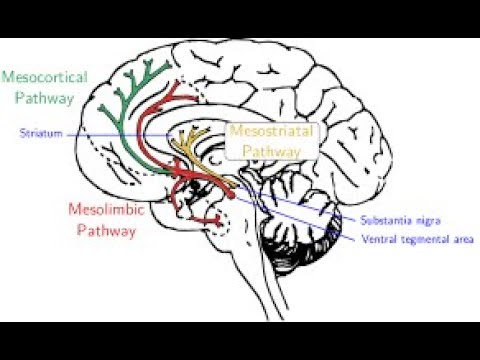
To start off, this medication helps balance certain chemicals in your brain. Those chemicals, like dopamine and serotonin, play a big role in how you feel and think. Sometimes, they can get out of whack, leading to symptoms like hallucinations or mood swings. Ziprasidone works to smooth things out.
Now, when it comes to uses, one of the biggest roles Geodon plays is in managing schizophrenia. People with this condition might experience things like delusions or disorganized thinking, which can make life pretty hard. By taking this medication, many folks report feeling more stable and able to engage with reality.
Besides schizophrenia, ziprasidone is also helpful for those dealing with the manic episodes associated with bipolar disorder. You know those times when you feel overly energetic or irritable? This drug can help bring those feelings back down to earth.
Moving on to the benefits, patients often find that their overall mood improves while on Geodon. They may experience fewer episodes of mania or psychosis compared to if they weren’t on it at all. Plus, many people appreciate that it has a lower risk of certain side effects compared to some older antipsychotics—like weight gain or sedation—which is a plus for quality of life.
Now let’s chat about effects. Like any medication, Geodon isn’t without its potential side effects. Some people might experience dizziness or fatigue at first as their bodies get used to it. Others could face gastrointestinal upset, which can be annoying but often lessens over time.
It’s also important to note something called QT prolongation. This means Geodon can affect your heart rhythm in some cases—so doctors usually keep an eye on this if you’re prescribed the drug. If you ever feel anything unusual while taking it—like palpitations—you should definitely talk to your healthcare provider.
You know what’s interesting? This med doesn’t require food for absorption like some other medications do! It can be taken with or without meals—a small thing that makes life a bit easier sometimes.
In sum, Geodon plays a significant role in treating various mental health disorders by targeting brain chemistry effectively while aiming for fewer pesky side effects than older meds might have brought along for the ride. But remember: always keep an open line of communication with your doctor about how it’s working for you—after all, every journey is unique!
Exploring Ziprasidone: Can It Effectively Manage Psychosis?
So, let’s chat about ziprasidone, or as it’s sometimes called, Geodon. This medication is often used to tackle serious mental health issues, mainly psychosis that pops up in conditions like schizophrenia and bipolar disorder. But can it really manage psychosis effectively?
First off, what is ziprasidone? It’s an atypical antipsychotic. You know, these are a class of medications that work a bit differently than older antipsychotics. They’re designed to balance chemicals in your brain that might be out of whack, especially dopamine and serotonin.
How does it help with psychosis? Well, when someone experiences psychosis, they may have symptoms like hallucinations or delusions. Ziprasidone can reduce these symptoms quite effectively for some people by helping stabilize mood and perception. It’s kind of like helping your brain hit the reset button.
Now, let’s talk about how it works in practice:
- Dosage: Generally taken twice a day with food to improve absorption.
- Efficacy: Studies show that many folks find relief from their symptoms within a couple of weeks.
- Side Effects: Ah yes, side effects can include dizziness, drowsiness, and sometimes metabolic changes like weight gain.
Also worth noting: although some people respond well to ziprasidone, others might not see the same benefits. It’s always important to keep an open conversation with your healthcare provider about how you’re feeling while on this med. I remember a friend who was really struggling with debilitating hallucinations. After starting ziprasidone, she felt more like herself again in just a few weeks; however, she did have to navigate some drowsiness at first.
The take-home message here? Ziprasidone can be an effective tool for managing psychosis but isn’t a one-size-fits-all solution. Each person’s experience is unique! The key is finding the right approach for you or your loved one and working closely with professionals to figure out what works best without too many unwanted side effects.
If you’re considering ziprasidone or want more info on managing psychosis effectively overall, don’t hesitate to reach out for support from trusted sources or professionals—because navigating mental health can really be tough!
Exploring the Effects of Ziprasidone on Anxiety Management: What You Need to Know
Ziprasidone, commonly sold under the brand name Geodon, is primarily an antipsychotic medication. It’s often prescribed to help manage conditions like schizophrenia and bipolar disorder. You might be wondering how it relates to anxiety management, so let’s get into that.
How Ziprasidone Works
This medication works by balancing certain chemicals in your brain, mainly dopamine and serotonin. These are neurotransmitters that play a huge role in regulating mood and behavior. By stabilizing their levels, ziprasidone can help reduce symptoms of anxiety along with the other conditions it treats.
Effects on Anxiety
You may not find ziprasidone as a first-line treatment for anxiety disorders like generalized anxiety disorder or panic disorder. Instead, it might be used when anxiety is part of a more complex picture involving psychosis or mood swings. Still, some people experience significant relief from anxious feelings when taking this medication.
Side Effects to Consider
Like any medication, ziprasidone comes with its own set of potential side effects. Some folks report feeling drowsy or dizzy at times. Others might experience restlessness or weight changes. So if you’re considering this option for managing your anxiety, it’s crucial to weigh these factors against the benefits you may receive.
The Importance of Monitoring
When you start taking ziprasidone—or any new medication for that matter—closely monitoring how you feel is key. It’s not just about tracking physical symptoms; emotional reactions matter too! Your doctor may suggest regular check-ins to consider how well the medication helps your anxiety and overall mental health.
Anecdote Time!
A friend of mine had been juggling severe anxiety alongside bipolar disorder. She found herself unable to focus on daily life tasks because her mind was always racing with worries about everything from work deadlines to her relationships. After talking things through with her psychiatrist, she started on ziprasidone along with therapy sessions. Over time, she noticed substantial improvements—not just in managing her bipolar episodes but also her overwhelming anxieties slipped away gradually.
Combination Therapies
It’s often most effective when medications like ziprasidone are used alongside therapy techniques such as cognitive-behavioral therapy (CBT). This combo can be really powerful since therapy teaches coping strategies while medications can address immediate symptom relief.
Consultation Is Key
Always talk openly with your healthcare provider about what you’re experiencing and how ziprasidone fits into your mental health plan. Every individual responds differently to medications, so what works well for one person might not suit another at all.
Just remember! While ziprasidone can have benefits in managing some aspects of anxiety within broader mental health contexts, it’s always wise to have thorough discussions with your doctor regarding any concerns or side effects you encounter along the way.
So, let’s talk about ziprasidone for a minute, alright? It’s one of those medications that you might’ve heard about when it comes to treating mental health disorders, especially things like schizophrenia and bipolar disorder. Now, I’m not here to throw a bunch of medical jargon at you. Instead, let’s just break it down to the basics.
Ziprasidone is an atypical antipsychotic. What that means is it works differently compared to older medications used for similar issues. Some people find it really helpful in managing their symptoms, but like everything else in life, it’s got its ups and downs.
I remember chatting with a friend who had been prescribed ziprasidone. At first, they were kind of unsure about taking it. You know how it is—with all the concerns around side effects and feeling like you’re just shoving pills down your throat. But after giving it a shot for a while, they started noticing some improvements in their mood swings and those pesky racing thoughts that often kept them up at night.
But here’s the thing: every medication can affect people differently. Some folks might experience side effects like drowsiness or weight gain—things that can feel pretty frustrating when you’re just trying to feel better. And sometimes people even worry about how it’ll interact with other medications they’re on.
It’s also crucial to remember that ziprasidone isn’t a miracle cure; it’s more of a tool in a bigger toolbox for mental health treatment. Therapy, support from loved ones, lifestyle changes—those play huge roles too, you know? Medication alone doesn’t usually solve everything.
So yeah, ziprasidone can be an important part of treatment for some people grappling with serious mental health challenges. It helps manage symptoms and allows folks to engage more fully in life again. But as always, working closely with healthcare professionals is super important to find what truly works best for you or someone you care about. Staying informed and being proactive—that’s where the real power lies!