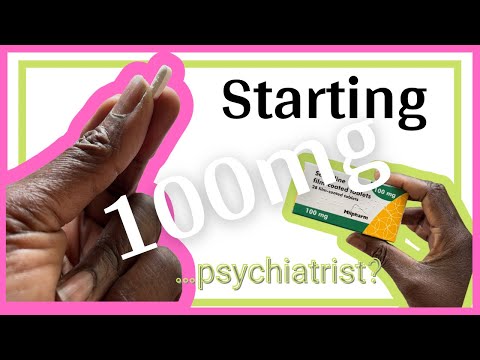
Alright, let’s chat about Zoloft. You heard of it? Yeah, it’s kind of a big deal in the mental health world.
So, imagine feeling like you’re stuck in a muddy pit. You know, just heavy and overwhelmed all the time? That’s where Zoloft might step in as a lifeline for some people.
At 100mg, it can really help get your brain back on track. It’s not some magic pill, but it can make a difference. You might just start to feel like yourself again.
We’re gonna dig into what Zoloft does and how it fits into the healing process. Trust me, there’s more to it than you think. Ready? Let’s unpack this!
Exploring the Impact of Zoloft on Mental Clarity: Does It Really Help?
When we talk about Zoloft, or sertraline, it’s a type of medication known as an SSRI (selective serotonin reuptake inhibitor). It’s often prescribed for conditions like depression, anxiety, and OCD. The thing is, a lot of people wonder how it impacts mental clarity. Let’s break it down.
Starting Zoloft can be a bit of a rollercoaster. Some folks report feeling foggy or spaced out when they first begin taking it. And that’s totally not uncommon! It can take time for your body to adjust to the medicine. You know? It’s like getting used to any new routine—it might feel weird at first.
Over time, though, many people notice changes. Once your system gets used to Zoloft, the majority find their mental clarity improves significantly. The key here is that medication doesn’t necessarily erase your feelings or dull your thoughts; instead, it can help you process them better without being overwhelmed by anxiety or sadness.
Here are some key impacts to consider:
- Improved Focus: Once you’re past the initial awkward stage, many folks experience enhanced focus and concentration.
- Reduced Anxiety: If anxiety clouds your thinking, managing that anxiety with something like Zoloft could free up mental space for clearer thoughts.
- Better Mood Stability: For those who deal with mood swings, stabilizing those emotions might lead to a more consistent mental state—hello clarity!
Still, there are some pitfalls you should watch out for. Not everyone reacts the same way to Zoloft. Some might struggle with side effects that could affect their cognitive function in other ways. For example:
- Fatigue: Feeling tired can mess with your ability to think clearly.
- Drowsiness: Some people report feeling sleepy on Zoloft—definitely not ideal if you’re trying to stay sharp.
But here’s the nice part: these side effects often wear off once you’re on the medication long enough and have an adjustment period behind you. Many people find that sticking with the meds leads to significant improvements in how they feel mentally.
You might hear anecdotes from friends or online forums about how someone found their “mental fog” lifted after starting Zoloft—it can be quite a compliment when things start clicking again! Imagine suddenly being able to concentrate on that book you’ve been meaning to read or remembering things without writing them down constantly.
In short—and I mean super short—Zoloft helps many people find their mental footing again by addressing underlying issues like depression and anxiety that cloud thinking. It’s all about finding out what works best for you personally while staying in touch with your healthcare provider as you navigate this journey!
Exploring the Effects of Zoloft on Happiness: Can This Antidepressant Boost Your Mood?
So, when we talk about Zoloft, which is the brand name for sertraline, it’s all about how it can influence your mood. If you’ve been feeling down and are wondering if this antidepressant can really help boost that happiness, let’s break things down a bit.
First off, **Zoloft works by adjusting levels of serotonin** in your brain. Serotonin is often called the “feel-good” neurotransmitter because it plays a big role in regulating mood. When you’re low on serotonin, you might feel sad or anxious. Basically, Zoloft helps to increase those serotonin levels, which can lead to improved mood over time.
Now, the effects aren’t immediate. You won’t take a pill and suddenly feel like dancing around your living room. It usually takes a few weeks—sometimes up to six—to start noticing any real changes in how you feel. During that time, you might experience side effects like nausea or fatigue. These can be tough but often fade as your body gets used to the medication.
And here’s something important to consider: **Zoloft isn’t a magic cure** for depression or anxiety. It might help lift your mood and make it easier to handle life’s challenges, but it works best when combined with other treatments like therapy or lifestyle changes (think exercise and better sleep). A friend of mine started Zoloft after struggling with anxiety for years; she said it helped her finally feel ready to tackle therapy. That combo really did wonders for her.
There are also some folks who experience an initial worsening of their symptoms when they start taking Zoloft. This could feel pretty discouraging! But hang tight; this sometimes happens as your body adjusts and should get better over time.
In terms of happiness specifically—studies suggest that people taking Zoloft report feeling less anxious and more positive over time compared to those who don’t take anything at all. Of course, everyone’s journey is different; some people find a significant boost in their overall happiness levels while others may see more subtle improvements.
It’s also worth mentioning that Zoloft can have different effects on different people. What works wonders for one person might not do much for someone else. It’s a bit of trial and error; so give yourself some grace in figuring out what fits best with your mental health journey.
And let’s not forget—if you stop taking Zoloft suddenly without consulting your doctor, you might face withdrawal symptoms like irritability or flu-like feelings! Always check with your healthcare provider if you’re thinking about changing or stopping dosage.
So really, while **Zoloft can play a significant role in boosting happiness**, it’s part of a bigger picture involving personal effort and support systems around you. Mental health isn’t one-size-fits-all; it’s more like piecing together a puzzle where every little bit counts towards the complete image of well-being!
Understanding Zoloft Dosage: Is 100mg Considered a High Dose?
When talking about Zoloft, or sertraline as it’s also known, dosage can be a bit tricky. So, let’s break it down together.
Zoloft is a type of medication called an SSRI, which stands for selective serotonin reuptake inhibitor. It’s mainly prescribed to help manage depression and anxiety disorders by balancing the serotonin levels in your brain. You know, that happy chemical?
Now, about the dosage. Typical starting doses for adults usually range from 50mg to 100mg per day. But here’s the catch: 100mg is often considered the upper limit for many individuals. It might not feel like a huge number when you hear it, but it definitely can be on the higher side depending on individual circumstances.
So you might wonder, is 100mg really a high dose? Well, it all depends on several factors like the specific condition being treated and how your body reacts to the medication. For some people dealing with more severe symptoms or conditions like OCD or PTSD, doctors might actually prescribe higher doses—up to 200mg even! But getting there isn’t just about jumping straight to that number; it’s usually a gradual process.
Let’s say you start at 50mg and slowly increase your dosage every few weeks based on how you’re feeling and any side effects you experience. Your doctor keeps an eye on what’s happening so they can tweak it if needed.
And here’s something important: while some folks might thrive at 100mg without issues, others could experience side effects that make them want to lower their dose instead. Side effects can include nausea, sleep disturbances, or even some emotional ups and downs—nothing too fun when you’re trying to get better.
It’s also crucial to remember that everyone’s experience with Zoloft is unique. What works wonders for one person might not do much for another. Sometimes we have this idea that more must be better; however, that’s not always true when it comes to mental health meds.
In summary:
- Zoloft (sertraline) typically starts at 50-100mg.
- 100mg is often seen as the upper limit for many conditions.
- Higher doses may be necessary for severe cases.
- Your individual response is key in determining the right dosage.
- Side effects can vary widely between individuals.
So there you have it! Whether you’re considering starting Zoloft or just trying to understand what your doctor discussed with you about dosages—it’s all about finding what’s best for *you*. Don’t hesitate to ask questions if anything feels off or confusing along the way!
So, Zoloft, or sertraline if we wanna get all fancy, is one of those medications that can really shake things up for folks dealing with mental health stuff. It’s often prescribed for anxiety and depression, but honestly? It can feel like a mixed bag.
Imagine you’re drowning in that heavy fog of sadness or constant worry. Then someone hands you a pair of glasses—those glasses are kinda like Zoloft. They’re supposed to help you see things a bit clearer. For some people, it’s like the sun breaking through the clouds, and they start feeling more like themselves again. That’s a big deal!
I remember my friend Jake was going through this rough patch. He was stuck in a loop of dark thoughts and couldn’t find his way out. After some talks with his therapist and what felt like forever just thinking about it, he finally decided to give Zoloft a whirl at 100mg. It didn’t happen overnight—he had to hang tight for those first few weeks—but gradually, he found himself smiling more often and actually enjoying the little things again.
But here’s the catch: it’s not just about popping a pill and calling it a day. Medication can be part of the journey, sure! But it usually works best when combined with therapy or support from people around you. And everyone reacts differently; what clicks for one person might not work for another.
And let’s not forget: there are side effects too! Some people might feel nausea or have trouble sleeping at first. So it’s essential to keep an open line with your doctor about how you’re feeling on it.
In the end, Zoloft 100mg could be one tool in your mental health toolbox—a helpful option if other strategies haven’t quite cut it yet. But finding what helps requires patience, honesty with yourself (and your doc), and sometimes just being real about how tough this journey can be. Just remember that recovery isn’t linear; it’s messy but so incredibly worth it!