So, let’s chat about Zoloft, shall we? You’ve probably heard of it.
It’s like the go-to for a lot of folks dealing with anxiety and depression.
When life gets a bit too heavy, it can sometimes feel impossible to cope, right? Zoloft is one of those medications that might help lighten the load.
But what exactly is this little pill all about? Does it really work?
Let’s break it down and see how it plays a role in managing mental health. You might just find it super interesting!
Understanding Zoloft: How It Supports Mental Health and Well-Being
Zoloft, or sertraline as it’s known in the scientific world, is often prescribed for various mental health conditions. You might hear people talk about Zoloft 50, which usually refers to a common starting dose of 50 mg. It’s pretty popular in the U.S. mental health care system. So, let’s break down how it works and its role in supporting you or someone you care about.
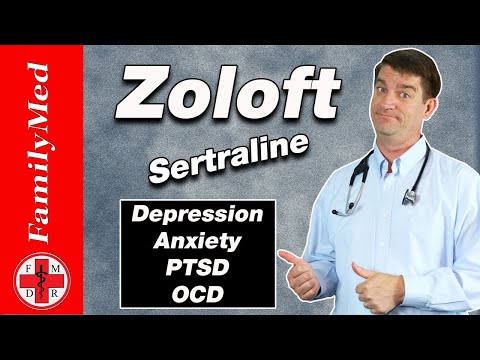
First off, Zoloft is mainly used to treat depression, anxiety disorders, panic disorder, and even obsessive-compulsive disorder (OCD). If someone’s feeling really low for a while or can’t shake off anxious thoughts that just keep looping in their head, that’s where Zoloft comes into play.
What it does is increase the levels of serotonin—a neurotransmitter that significantly impacts mood— in your brain. Think of serotonin as a little happiness chemical that helps with feelings of well-being and stability. When you boost serotonin activity, many people experience relief from their symptoms.
Now, here’s the thing: everyone responds differently to medications. So, while some folks may feel a noticeable change within a couple of weeks, others might not see improvements until after several weeks, or even longer! Patience is key here.
It’s important to mention that Zoloft isn’t just about popping a pill and feeling better instantly. It often works best when paired with other approaches like therapy. For example, if you’re doing cognitive-behavioral therapy (CBT) alongside taking Zoloft, it can help solidify those positive changes.
Sometimes people worry about side effects when starting something new like this medication. Common ones may include nausea, fatigue, or sleep disturbances—but these often fade over time as your body adjusts to the medication.
And hey—if there are side effects that stick around or get too intense? It’s super important to chat with your doctor about it. They can help figure out if Zoloft is still right for you or if adjustments are needed.
In terms of dosage… so starting at 50 mg isn’t uncommon because it’s usually manageable for most people just beginning treatment. Your doctor will monitor you closely at first to see how your body reacts before adjusting anything.
Lastly—don’t stop taking Zoloft suddenly without guidance! Doing so can lead to withdrawal symptoms which aren’t fun at all; it’s kind of like trying to skip out on dessert but craving it instead!
So there you have it! Understanding Zoloft means knowing it’s a tool meant to help support your mental health journey—but it’s also part of a bigger picture involving lifestyle changes and support from professionals around you!
How Zoloft Influences Emotional Regulation: Understanding Its Impact on Mental Health
Zoloft, or sertraline, is a commonly prescribed medication for various mental health issues like depression and anxiety. But how does it really influence emotional regulation? Let’s break this down.
When you take Zoloft, it primarily works on serotonin levels in your brain. Serotonin is that chemical that helps regulate mood, sleep, and even appetite. If you’ve ever felt a little off when your serotonin levels dip, you get what I mean.
So what happens when Zoloft raises those serotonin levels? Well, you might feel a bit more balanced. You might notice that the highs and lows of your emotions aren’t as intense. Imagine losing something dear to you and feeling completely crushed—now imagine handling that same loss with a little more resilience. You’re sad but not overwhelmed.
Here are some key things to keep in mind:
- Stabilizing Mood: Many people find that Zoloft makes their mood swings less extreme. It’s like putting up guardrails on the emotional rollercoaster.
- Anxiety Reduction: One of the big benefits is reduced anxiety. This can lead to better emotional responses because you’re not as easily triggered by stressors.
- Improved Coping Strategies: With better regulation of emotions, folks often find they can handle stressful situations with more clarity and calmness.
You see, emotional regulation isn’t just about feeling good all the time; it’s about understanding and managing your feelings in a healthier way. A person struggling with anxiety could find themselves overreacting to small issues, feeling overwhelmed by every little thing life throws at them. With Zoloft easing their anxiety levels, they might respond more rationally instead of emotionally reacting.
Now, let’s chat about potential side effects too—because they do exist! Some people might experience things like nausea or changes in sleep patterns when starting out on it or increasing their dose. It’s all part of how your body adjusts.
And here’s something interesting: while Zoloft can help regulate emotions better for many people, it’s not a fix-all solution for everyone. Some folks might need therapy alongside meds to really dive into the root causes of their issues.
Ultimately, Zoloft plays an important role in many people’s stories of managing mental health challenges. It helps create a space where individuals have some control over their emotions and reactions instead of feeling like they’re constantly at the mercy of them.
So if you’re considering or currently using Zoloft as part of your mental health management plan, being aware of its impact on emotional regulation can be super helpful in understanding your journey!
Understanding the Role of Zoloft: Reasons Why Psychiatrists Prescribe This Antidepressant
Zoloft, or **sertraline**, belongs to a group of medications called **SSRIs**, which stands for selective serotonin reuptake inhibitors. Sounds technical, right? But here’s the gist: Zoloft helps raise the serotonin levels in your brain. Serotonin is that little neurotransmitter that often gets linked to mood regulation. If you’re feeling low, it might be because you don’t have enough of it floating around.
So why do psychiatrists reach for Zoloft when someone’s struggling? Here are some of the main reasons:
- Major Depressive Disorder: This is probably the most common reason. People with depression often find themselves in a dark pit where everything feels heavy and hopeless. Zoloft can help lift that weight by increasing serotonin.
- Anxiety Disorders: If you’re dealing with intense anxiety or panic attacks, Zoloft can help calm those racing thoughts and intense feelings. It’s like giving your mind a little cushion.
- Obsessive-Compulsive Disorder (OCD): For folks who can’t seem to shake off certain thoughts or compulsions, Zoloft may reduce those obsessive behaviors and bring some clarity.
- Post-Traumatic Stress Disorder (PTSD): After traumatic experiences, many people struggle with flashbacks or severe anxiety. Zoloft can play a supportive role in managing symptoms associated with PTSD.
- Premenstrual Dysphoric Disorder (PMDD): For those who experience severe mood shifts related to their menstrual cycle, this medication might ease those emotional ups and downs.
When someone starts on Zoloft, it’s not always an instant fix. It usually takes a few weeks for the effects to kick in—you know how it goes; patience is key! Some people might feel better after just a couple of doses, while others need more time.
It’s also worth noting that psychiatrists will often consider potential side effects before prescribing it. Some folks might experience nausea, headaches, or changes in sleep patterns when they first start out. But typically, many find these initial bumps smooth out as their body adjusts.
In addition to medication like Zoloft, therapists often recommend combining it with talk therapy. That way you’re tackling issues from multiple angles—making sure your mental health gets that well-rounded approach.
But let’s take a moment for real-life context here: imagine someone—a friend perhaps—who’s been feeling down for months without any clear reason. They can barely get out of bed and don’t enjoy things they used to love. When they finally visit a psychiatrist and are prescribed Zoloft, it becomes part of their journey back to themselves—day by day slowly regaining energy and joy.
So yeah, when psychiatrists choose Zoloft as part of treatment plans, they’re looking at someone’s unique situation—balancing benefits against side effects while considering overall mental health goals. It’s about finding relief and paving the way toward better days ahead!
So, Zoloft—it’s one of those names you hear thrown around in conversations about mental health. It’s actually the brand name for sertraline, which is a type of antidepressant known as an SSRI (selective serotonin reuptake inhibitor). Basically, it helps balance out certain chemicals in your brain that might be causing some serious mood swings or feelings of anxiety.
It’s wild how something so small can have such a big impact, right? I remember a friend of mine who was really struggling with social anxiety. She felt like every time she stepped outside her door, her heart would race. You know that feeling when you’re just buzzing with nerves? That was her daily life. After chatting with her doctor, she decided to give Zoloft a shot, starting at 50 mg. And honestly? The transformation was pretty remarkable.
At first, it wasn’t a magic pill or anything—she had some side effects to figure out. But over time, she found that the constant hum of anxiety quieted down. It didn’t solve everything overnight; she still had to put in the work with therapy and self-care strategies. But having that extra support made all the difference.
What’s interesting is how Zoloft helps people navigate their mental health like a safety net while they’re learning to walk again without it. You see? It’s more than just about feeling better; it’s about getting the tools you need to handle life—even when it throws curveballs your way.
Some folks might worry about stigma attached to taking medication for mental health issues. And that makes sense—this world can be judgmental sometimes! But really, taking Zoloft doesn’t mean you’re weak; it means you’re being proactive about your health and well-being.
So yeah, if someone’s considering Zoloft at 50 mg or any dosage really, it’s important to keep communication open with their healthcare provider and view it as one piece of a larger puzzle in their journey towards feeling better mentally and emotionally. Life can throw some pretty tough days our way, but there are ways through it—and sometimes that includes medicinal help!