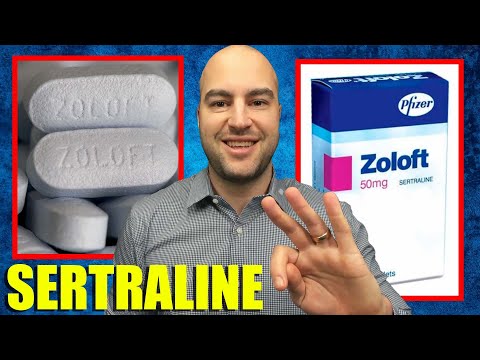
So, let’s chat about Zoloft, huh? You might’ve heard the name tossed around somewhere when it comes to mental health.
It’s a big deal for a lot of folks dealing with anxiety or depression.
But what’s the scoop on this little pill—50mg, to be exact?
You know, it really can make a difference for some people. Like, it’s not magic or anything, but it helps balance things out in your brain.
Still, figuring out if it’s right for you isn’t always easy.
There are things we should look at together—benefits, side effects, and all that jazz.
So grab your coffee (or whatever you like), and let’s break it down!
Exploring the Benefits of Sertraline 50mg: A Comprehensive Guide
Sure, let’s chat about sertraline, which you might know as Zoloft. This medication can be quite a tool for managing mental health conditions like depression, anxiety, and even OCD. So, here’s a breakdown of the benefits you might find with 50mg of this drug.
What Is Sertraline?
Sertraline belongs to a class of medications called selective serotonin reuptake inhibitors (SSRIs). What this means is that it helps to boost the levels of serotonin in your brain. Serotonin is a big player in mood regulation. When the levels are off, we can feel anxious or down.
Common Benefits
When you take sertraline 50mg, many folks notice some pretty positive changes in their lives. Here are a few:
- Improved Mood: Many people report feeling less sad and more stable emotionally.
- Reduced Anxiety: It can help ease feelings of tension and worry.
- Better Sleep: For some, it helps with sleep patterns that might have been disrupted by anxiety or depression.
- Enhanced Focus: It might boost your ability to concentrate on tasks without feeling overwhelmed.
Take Sarah’s story. She struggled with crippling anxiety for years. After starting sertraline, she felt like a weight had been lifted. Suddenly, social gatherings didn’t feel daunting anymore. She could just enjoy being around friends again.
A Little Patience
It’s essential to remember that while 50mg can offer benefits, results don’t happen overnight. You might need to stick with it for a few weeks before you notice significant changes. This is totally normal!
Potential Side Effects
While many people benefit from sertraline without too much fuss, it’s not all sunshine and rainbows. Some common side effects include:
- Nausea
- Dizziness
- Sleeplessness or increased fatigue
- An upset stomach
So if you feel weird after starting treatment—don’t panic! Just give your doctor a call.
The Importance of Professional Guidance
Always remember: medication should be part of a broader strategy for wellness that includes therapy or counseling options too. A mental health professional can guide you through whether sertraline is the right fit based on your personal needs.
To wrap it up, sertraline 50mg has helped many individuals find their footing when mental health challenges arise. Just be patient with your body as it adjusts and keep open lines of communication with your healthcare provider. It’s all about finding what works best for you!
Finding the Right Dosage of Sertraline for Anxiety: A Comprehensive Guide
Finding the right dosage of sertraline, which is often sold under the brand name Zoloft, can feel like searching for a needle in a haystack, especially when you’re dealing with anxiety. It’s not a one-size-fits-all deal. Everyone’s different, so figuring out what works for you can take some time.
First off, sertraline is an SSRI (Selective Serotonin Reuptake Inhibitor). This means it helps boost serotonin levels in your brain. Serotonin’s kind of like the happy chemical; it helps regulate mood, emotions, and even anxiety levels. When you start taking sertraline, your doctor usually begins with a low dose to see how you react.
Here’s where things can get tricky. Like I mentioned earlier, everyone responds differently to medications. You might feel better on a lower dosage or need something higher to really see results. Generally speaking:
When starting treatment, it’s super important to keep in touch with your healthcare provider. They’ll want to know about any side effects or changes in your mood or anxiety levels. For example, if you’re feeling jittery or just «off,» make sure to let them know because that could mean your dosage needs tweaking.
I remember my friend Julia who was really anxious about starting medication. She started at 50mg but didn’t quite notice any change after a few weeks—just felt sort of «meh.» After chatting with her doctor, they decided to bump her up to 100mg. That made all the difference for her!
Sometimes adjustments aren’t just about upping the dose either; it could mean staying at the same level for a bit longer until your body gets used to it. Patience plays a big role here!
Also worth mentioning are those pesky side effects that come along with SSRIs like sertraline. These can include nausea, fatigue, or even sexual dysfunction—yikes! But here’s the thing: many of these side effects tend to settle down after the first few weeks of treatment.
Finally, don’t go cold turkey! If you and your doc decide it’s time to stop taking Zoloft or shift dosages dramatically, be sure you taper off safely under medical supervision.
So yeah, finding that sweet spot takes time and teamwork between you and your health care provider. Trust the process and be open about what you’re experiencing—it makes all the difference in getting there!
Exploring the Link Between Sertraline and Heart Palpitations: What You Need to Know
Sertraline, often known by its brand name Zoloft, is an antidepressant that falls under the category of selective serotonin reuptake inhibitors (SSRIs). It’s commonly prescribed for depression, anxiety disorders, and a few other mental health conditions. But you might be curious about potential side effects. One that some folks notice is heart palpitations. Let’s break this down a bit.
First off, heart palpitations can feel like your heart is racing or fluttering. Sometimes it’s just your body reacting to stress or anxiety. But when you’re on medication like sertraline, it can be hard to tell what’s causing these sensations. You know? So, if you start feeling those rapid beats after starting sertraline, it might raise some questions.
Now, research shows a clear link between SSRIs and heart-related side effects for some people. It’s not super common but definitely something to keep in mind. Palpitations aren’t always dangerous, but they can be unsettling. If you’re feeling them often or if they come with other symptoms like chest pain or shortness of breath, it’s time to chat with your doctor.
Another thing to consider is how each person reacts differently to medications. Some people might start taking Zoloft and feel great right away—with improved mood and less anxiety—while others could experience those pesky palpitations instead. It’s kind of like the lottery; you just don’t know what card you’ll draw!
It might also help to know that factors like dosage play a role too. For instance, increasing your dose from 50mg to something higher could lead to more noticeable side effects. Your body needs time to adjust—like when you jump into a cold pool; it takes a minute before you really get used to the temperature.
If you’re curious about how common this issue really is? Studies have pointed out that about 5% of people on SSRIs report experiencing heart palpitations at some point during their treatment. That said, most people tolerate the medication well without severe issues.
So what should you do if you’re feeling those palpitations? First up: don’t panic! It doesn’t automatically mean there’s something seriously wrong with your heart or that Zoloft isn’t working for you anymore. Just take note of when they occur and any other symptoms you’re experiencing.
A great step would be reaching out to your healthcare provider—they’re there for exactly this kind of concern! They may want to check things out further or adjust your dosage if needed. And sometimes simple lifestyle tweaks like stress management strategies can make all the difference too.
So, let’s chat about Zoloft, shall we? It’s one of those medications that people often hear about when discussing mental health. Zoloft, or sertraline if you want to get all fancy with the name, is part of a group called SSRIs—selective serotonin reuptake inhibitors. Sounds complex, I know. But what it really does is help balance out some of those brain chemicals that can get a little out of whack.
Think about it like this: imagine your brain is a crowded subway during rush hour. Everyone’s trying to push through, but things just aren’t moving smoothly. That’s kinda how mental health can feel sometimes—overwhelmed and chaotic. Zoloft helps to clear some space, making it easier for the important stuff to get where it needs to go.
I remember a friend who was dealing with some serious anxiety and depression. She felt like she was stuck in that subway with no way out. After chatting with her doc, she decided to give Zoloft a shot at 50mg. The first few weeks were definitely rocky—like trying to find your footing on a swaying train—but slowly, things started to shift for her.
She described it as finally being able to see the light at the end of the tunnel. And yeah, medication isn’t a magic bullet or anything; she still had therapy and worked on things in her life too. But that little 50mg pill? It gave her the boost she needed to start tackling other challenges head-on.
Of course, not every medication works for everyone—even if Zoloft helped my friend feel more stable and connected again. It’s always about finding the right fit for you personally—you know? And there are side effects too; some people might experience nausea or changes in sleep patterns when they start taking it.
It’s crucial to have support along the way—whether that’s friends, family, or therapists who understand what you’re going through. So yeah, while Zoloft can play an important role in managing mental health for many folks out there, it’s just one piece of a much larger puzzle.
In short, if you’re considering something like this or know someone who is—it’s all about finding balance and what feels right for you!