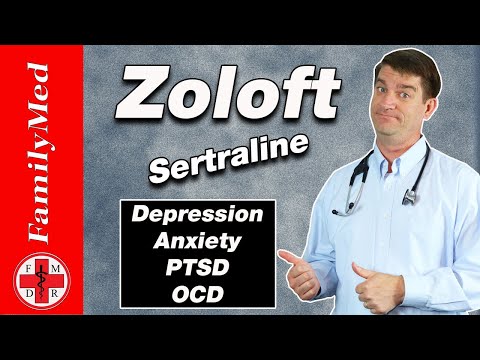
Hey there! So, you know how some medications come with these pesky side effects? Yeah, we’re talking about Zoloft today.
For some folks, it can lead to some serious tummy troubles, like diarrhea. Super fun, right?
I mean, here you are trying to feel better emotionally, and then your stomach decides to go on a wild ride.
Let’s chat about it—what to expect and how to manage those side effects without losing your mind (or running to the bathroom all the time).
Understanding Zoloft Side Effects: Do They Eventually Disappear?
When you start taking Zoloft, which is basically a common antidepressant, you might find yourself wondering about its side effects. One of the more uncomfortable ones? Diarrhea. So, let’s talk about it.
What are the side effects?
Zoloft can mess with your stomach and digestive system. Besides diarrhea, some folks experience nausea, dry mouth, or even changes in appetite. These effects vary from person to person, though. Some people breeze through without any issues, while others might feel like they’ve got a rollercoaster in their tummy.
Why does this happen?
The thing is, Zoloft works on your brain’s serotonin levels. Serotonin doesn’t just hang out in your brain; it’s also found in your gut! So when you change those serotonin levels with medication like Zoloft, it can lead to all sorts of digestive drama, including diarrhea.
Do these side effects disappear?
Usually? Yes! For many people, these initial side effects tend to get better over time as your body adjusts to the medication. Like when you first try a new food—your tummy protests but eventually gets used to it.
It’s important to keep in mind that everyone’s body reacts differently. Sometimes people experience side effects for just a few days and then feel normal again. Others might live with them longer.
What can you do?
If diarrhea becomes a problem while taking Zoloft, here are some things you could try:
And remember: don’t stop taking Zoloft on your own! Those mental health benefits are super important too.
So if you’re navigating through Zoloft and dealing with some pesky side effects like diarrhea, just know it’s pretty common for people starting out on this medication. It often gets better over time as your system adapts. Seriously though—keeping an open line with your doctor will help ensure you’re on the right track and feeling good overall!
Exploring the Link Between Sertraline and Psychosis: What You Need to Know
So, you’re digging into the connection between sertraline, often known as Zoloft, and psychosis. This is a pretty intense topic because it touches on mental health and medication side effects. I get it—there’s a lot of info out there, and it can feel overwhelming.
First off, sertraline is an antidepressant from the selective serotonin reuptake inhibitors (SSRIs) family. It’s mainly used to treat depression and anxiety disorders. But like any medication, it can have side effects. One of those might be psychosis, which is a term that describes symptoms like hallucinations or delusions where someone can’t really tell what’s real anymore.
Now, you might be wondering how this all connects. Well, although rare, some people taking sertraline have reported experiencing these symptoms. It’s not super common, but in some cases, it can happen—especially if someone has a personal or family history of mental illness. This doesn’t mean sertraline is bad or shouldn’t be used; just that you should be aware of what could go down.
It’s also important to note that generally speaking, SSRIs are considered safe for most people. Users mostly deal with milder side effects like nausea or—here’s a fun one—diarrhea! Yup, you heard me right; digestive issues are more common than psychosis when taking Zoloft.
Here’s what you need to know about managing those pesky side effects:
- Start low and go slow: Doctors often recommend starting with a lower dose to see how your body reacts.
- Stay hydrated: If diarrhea becomes an issue, sipping water or electrolyte drinks can help.
- Communicate: Keeping in touch with your healthcare provider about any side effects ensures they can support you.
- Avoid abrupt withdrawal: Stopping the medication suddenly might lead to worse symptoms.
Sometimes patients might feel anxious about reporting odd experiences while on medication due to fear of being seen as «crazy.» Let me share a little story: There was this friend of mine who had started taking Zoloft for anxiety and ended up feeling really out of touch with reality after increasing her dosage too quickly. She was worried about sounding paranoid but reached out to her doctor anyway; turns out she needed a dose adjustment that made all the difference!
So remember: if anything feels off while you’re on sertraline—or any med for that matter—it’s always best to talk openly with your doctor about what’s going on. They want to help you find what works best for you without those spooky side effects.
In short, while there’s some link between sertraline and psychotic symptoms in certain folks, it’s pretty rare overall. Many people use it successfully without any major drama! Just keep your lines of communication open with your healthcare provider so they can support you through this journey.
Effective Strategies to Manage SSRIs-Induced Diarrhea: Tips and Solutions
It’s not uncommon for people on SSRIs, like Zoloft, to experience some pretty annoying side effects. One of the more disruptive ones? Diarrhea. It can feel like a real rollercoaster, right? So, let’s break down some effective strategies that might help you manage it.
Stay Hydrated: One major thing to remember is hydration. When you’re dealing with loose stools, your body can lose a lot of water and electrolytes. Try sipping on clear fluids or electrolyte solutions throughout the day. Seriously, this can make a difference.
Adjust Your Diet: Consider what you’re eating. Some foods might be triggering your digestive system. Here are some suggestions:
- Bananas: They are gentle on the stomach and rich in potassium.
- Rice: Plain white rice can help bind your stool and is easy to digest.
- Applesauce: This is another mild option that could help firm things up.
- Pasta: Plain pasta might be your best friend when you’re feeling run-down.
If you notice certain foods aggravating your symptoms, try to keep track of them and adjust accordingly.
Timing Matters: When you take your medication can also affect how you feel. Some folks find that taking their SSRI at night helps minimize side effects during the day when they’re busy. You might want to chat with your doc about this or try it out – see how it goes!
Meds for the Symptoms: Over-the-counter medications like loperamide (Imodium) can sometimes provide relief from diarrhea. Just remember to consult with a healthcare provider before adding anything new to your routine.
Tapering Off or Switching Medications: If things get really tough, don’t hesitate to talk with your doctor about it. In some cases, they might suggest tapering off or switching SSRIs altogether. It’s crucial not to go solo here; communication is key!
A little anecdote for you: I once knew someone who was new on an SSRI and was so frustrated by their bathroom woes that they completely avoided going out with friends! They started experimenting with diet changes and eventually found what worked for them—making outings a lot more enjoyable.
So yeah, managing side effects like diarrhea while on Zoloft isn’t all one-size-fits-all; it takes time and patience! But hang in there; between hydration, dietary tweaks, timing adjustments, and professional guidance, things can definitely improve!
So, let’s talk about Zoloft for a minute. You know, it’s one of those go-to meds for folks dealing with anxiety and depression. I mean, it can really help lift the fog… but, like any other medication, it’s not all rainbows and butterflies. Sometimes, it comes with side effects that can throw a wrench in your daily routine.
Take diarrhea, for instance. Yeah, not the most glamorous topic, right? But seriously—it can be one of those unexpected side effects that catches you off guard. Imagine you’re feeling hopeful because Zoloft’s starting to kick in; then boom—your stomach decides to rebel against you. It’s frustrating when you’re trying to get your life back on track, and suddenly your gut feels like a rollercoaster ride.
I remember this one time when a friend started taking Zoloft. They were excited but also nervous about starting a new chapter in their mental health journey. Then came the diarrhea episode. They were convinced something was seriously wrong! It was pretty eye-opening to see how much this side effect impacted their confidence and day-to-day activities.
And here’s the thing: many people just don’t talk about these side effects openly. I mean, who wants to bring up their potty troubles at a coffee shop? But being open about it can really make a difference in how we manage our mental health treatments—and our expectations around them.
If you’re facing this particular side effect (or any others), chatting with your doctor is key. They might have some useful advice or even alternatives if the side effects are too tough to handle. Sometimes adjusting the dosage or trying out another med could help lighten that load.
The main takeaway is that while Zoloft can do wonders for your mood, getting through those tricky side effects is part of the journey too—one step at a time! You’re definitely not alone in grappling with these things; many people have been there or are there right now. So don’t hesitate to reach out for support; whether it’s from friends or professionals—sharing those experiences can ease some of that burden and help you feel more grounded along the way.