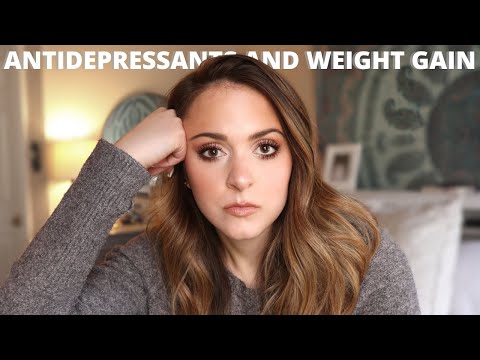
So, let’s chat about Zoloft for a sec. You know, that little pill that’s supposed to help with anxiety and depression? A lot of people swear by it.
But here’s the thing: it can come with some unexpected baggage. Yup, I’m talking about weight gain.
I mean, imagine finally getting your mental health on track but then noticing your jeans suddenly feel a pinch tighter. Frustrating, right?
It’s a real conundrum—how do you balance feeling better mentally while not being totally bummed about the scale? Let’s unpack this a bit and see what’s up with Zoloft and those extra pounds.
Exploring SSRIs: Which Antidepressant Is Linked to the Most Weight Gain?
SSRIs and Weight Gain: The Connection
When it comes to **Selective Serotonin Reuptake Inhibitors** (SSRIs), weight gain is a frequent concern. You might have heard of SSRIs like Zoloft, Prozac, or Celexa. They’re often prescribed for depression and anxiety, but some folks notice changes in their weight after starting them.
So, what’s the deal with SSRIs and weight? It’s kind of complicated. Each person reacts differently to these medications, and several factors come into play, including your overall lifestyle, diet, exercise habits, and even genetics.
Which SSRIs Are Known for Weight Gain?
Among SSRIs, **Zoloft (sertraline)** has been associated with weight gain for some people. Studies show that it may cause a slight increase in weight over time. But wait! Not everyone will experience this. Some actually lose weight when they start taking it due to improved moods or changes in appetite.
Here are a few things to keep in mind:
The Role of Zoloft
Now about Zoloft specifically—research suggests that around 10-25% of people using it experience noticeable weight gain over time. You know how sometimes someone may start medication only to find they’re reaching for snacks more often? Yeah, that can totally happen!
One anecdote comes from a friend who began taking Zoloft after struggling with severe anxiety. Initially thrilled about the reduction in her anxiety levels, she eventually became frustrated as the scale tipped upward. It was confusing because she was exercising regularly but found herself craving carbs like crazy.
The Bottom Line
So what does this mean for you or someone thinking about starting an SSRI like Zoloft? If weight gain is a major concern—and let’s be real; it’s totally valid—you should chat with your healthcare provider before jumping in headfirst.
And just remember: Mental health matters first! If an SSRI helps you feel more like yourself but brings along some extra baggage (weight), there are ways to manage that too. Balance is key—talking openly about potential side effects can lead to finding the right approach for you.
In short, while Zoloft can be linked with weight gain for some folks out there, it’s not a guaranteed effect—and many factors play into this complex picture!
Top Antidepressants Linked to Weight Gain: What You Need to Know
Antidepressants can be a lifesaver for many, but there’s a catch. Some of them are linked to weight gain. If you’re on medications like Zoloft (sertraline), you might have noticed changes in your body or even heard about it from others. Let’s break this down into chunks that make sense.
First off, why do some antidepressants cause weight gain? Well, it’s a bit complicated. Antidepressants can affect your brain’s chemistry in ways that influence hunger and metabolism. For example, they might make you feel hungrier or change how your body stores fat.
So, what are the main offenders? Here are some common antidepressants associated with weight gain:
- Zoloft (Sertraline): This one is often prescribed for depression and anxiety. Some studies suggest that it might lead to weight gain, especially if you’re on it long-term.
- Paxil (Paroxetine): Another selective serotonin reuptake inhibitor (SSRI). It has a notorious reputation for causing weight increases.
- Elavil (Amitriptyline): This is an older medication that also tends to increase appetite.
- Remeron (Mirtazapine): Known for making you feel sleepy and hungry. Often results in noticeable weight changes.
Now, let’s talk about Zoloft specifically. When I was chatting with a friend who had been on Zoloft for a while, she mentioned feeling more emotional and way hungrier than before she started taking it. Over time, those extra snacks led to some increased pounds. She wasn’t alone; others reported similar experiences too.
It’s important to note that not everyone will gain weight while on these meds. Individual responses vary widely based on factors like genetics, lifestyle choices, and other medications you might be taking. So, if you’re worried about this as a side effect, it’s worth having an open conversation with your doctor.
Besides just weight gain itself, some people experience changes in mood or energy levels when their weight starts shifting because of these meds. Maybe you feel more tired or low about your appearance? That can be tough too.
If you’re worried about gaining weight while on antidepressants like Zoloft, consider these points:
- Monitor Your Eating Habits: Being aware of what you eat can help manage any changes that come up.
- Stay Active: Regular exercise can counterbalance some of the potential weight effects.
- Talk to Your Doctor: If you’re seeing significant changes in your body or mood from the medication, don’t hesitate to bring it up!
Ultimately, the decision about whether to stay on an antidepressant should come down to what works best for your mental health versus potential physical side effects like weight gain. Mental health is huge—you have to prioritize what helps keep your spirits up while being mindful of how different medications affect you physically.
So yeah, if you’re navigating this whole antidepressant thing right now and worrying about weight changes because of meds like Zoloft—just know you’re not alone! It’s all part of the journey toward feeling better overall.
Understanding the Impact of 50mg Zoloft on Weight Gain: Myths and Facts
When it comes to Zoloft>, one of the most common things people worry about is weight gain. So, let’s break this down a bit, shall we?
Zoloft is a medication often prescribed for depression, anxiety, and other mental health issues. It’s part of the SSRI family, which stands for selective serotonin reuptake inhibitors. What they do is help balance chemicals in your brain that affect mood. You know what I mean? But still, many folks have concerns about putting on pounds when taking it.
Now, let’s get real for a second. There are myths floating around about Zoloft and weight gain. Some people think that everyone who takes it will automatically pack on the pounds. That’s not necessarily true! Weight changes can vary widely among individuals.
- Weight Gain vs. Weight Loss: Some people actually lose weight when starting Zoloft due to improvements in their mood and motivation.
- Appetite Changes: For others, their appetite might increase or decrease depending on how Zoloft affects them personally.
- Mental Health Connection: Remember that managing your mental health can also impact your weight; feeling better may lead you to be more active or make healthier choices!
A lot of factors come into play here—like genetics, lifestyle habits, diet, and even other medications you might be taking. It’s not all about Zoloft itself! You follow me?
Anecdote time: I once chatted with a friend who was super nervous about starting Zoloft because she heard horror stories about gaining weight. After being on it for a few months, she found herself cooking healthier meals and hitting the gym more often because she felt more motivated than ever! In her case, Zoloft really helped her mood without adding extra pounds.
The research also shows mixed results regarding weight gain with SSRIs like Zoloft over time. Some studies say that yes, some people do gain weight after long-term use; however, it’s often not a dramatic change for everyone.
If you’re worried about this side effect while taking Zoloft—or any med for that matter—talk to your doc. They can provide guidance tailored just for you! Always good to keep communication open with your healthcare provider.
So yeah, while there might be risks associated with weight gain when on Zoloft for some folks, it’s definitely not a universal outcome. Everyone’s experience is unique!
So, let’s chat about Zoloft for a sec. It’s one of those meds that a lot of people take for anxiety and depression. Like, it can really help you feel more balanced and less overwhelmed. But here’s the thing: weight gain is often part of the conversation when it comes to Zoloft and some other antidepressants.
I remember a friend who started taking Zoloft after going through a really rough patch. She was dealing with all sorts of emotions—sadness, anxiety, you name it. But once she began her journey with this medication, she noticed something odd happening: her pants felt tighter, and her cravings were stronger than ever. At first, she thought maybe it was just winter munchies or stress baking. But after a few months, the scale didn’t lie.
Now, not everyone experiences weight gain on Zoloft. It varies from person to person. Some folks might even lose weight when they start taking it because their mood improves and they feel like being active again! But for others, the med can mess with your appetite or metabolism in ways that aren’t super pleasant.
You see, there are these complex links between our mental health and our physical health. When you’re feeling down or anxious, food can become a comfort—a way to soothe those difficult feelings. In turn, if you’re on meds that also affect your brain chemistry (like Zoloft), it can amplify those urges or cravings even more. It’s like this weird cycle where one thing feeds into another.
The important part is to talk about these side effects—don’t brush them under the rug! If weight gain becomes an issue for you or someone you know on Zoloft, it’s totally worth mentioning to a doctor or therapist. They might adjust the dosage or suggest some strategies to keep things in check without sacrificing your mental well-being.
At the end of the day, balancing mental health treatment with maintaining physical health is crucial—it’s all connected! Just remember: if you’re navigating this path yourself or supporting someone who is, you’re not alone in this experience; it’s okay to reach out for help along the way.