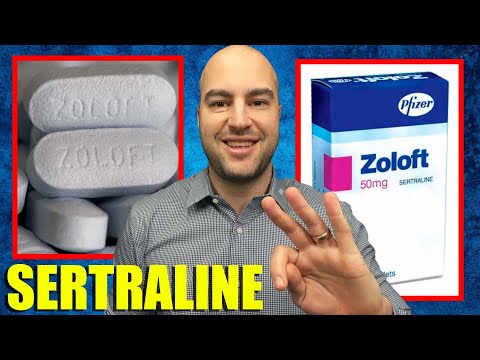
So, here’s a wild thought. You ever hear about Zoloft? Yeah, that’s the antidepressant we often chat about. But get this—some folks are noticing something kinda surprising. Instead of piling on the pounds, they’re actually shedding a few.
Sounds a bit unexpected, huh? You’d think a medication like that would lead to weight gain since that’s what most people associate with antidepressants. But no!
It’s got everyone talking and scratching their heads. Why is this happening? Are there hidden benefits we didn’t see coming?
Let’s dig into this curious connection between Zoloft and weight loss. Seriously, you won’t want to miss it!
Understanding the Link Between Zoloft and Unexplained Weight Loss: What You Need to Know
So, let’s chat a bit about Zoloft and that surprising connection it has with weight loss. You might know Zoloft as a common antidepressant, officially called sertraline. It’s prescribed mainly for conditions like depression, anxiety, and OCD. But what’s really interesting is how some people notice they’re shedding pounds while on this medication.
First off, let’s break down the basics of how Zoloft works. It’s an SSRI (selective serotonin reuptake inhibitor), which means it helps increase serotonin levels in your brain. Serotonin is a big player in mood regulation. Feeling good can sometimes lead to changes in appetite.
Now, here’s where things get tricky. Not everyone experiences the same side effects. For some folks, taking Zoloft can actually lead to decreased appetite or nausea at first—both of which could contribute to weight loss. Imagine waking up each day feeling anxious and suddenly realizing you’re not hungry anymore; that might explain why you’ve lost a few pounds without even trying.
Anyway, here are a few key points about this topic:
- Individual Reactions Differ: Just because someone else drops weight doesn’t mean you will too.
- Potential Nausea: Some people feel queasy when starting Zoloft, making them eat less.
- Anxiety Reduction: Once anxiety eases up, your relationship with food can shift as well—either improving or diminishing your appetite.
- Other Medications: If you’re on other meds alongside Zoloft, they might be influencing your weight too.
Let me share an example here: Take Jenna. She struggled with anxiety and was placed on Zoloft after talking with her doctor. At first, she felt nauseous and skipped meals more often than not. Over time though, her mood improved significantly; she started eating regular meals again and even began exercising! In Jenna’s case, she ended up losing about fifteen pounds without really trying.
Of course, it’s crucial to note that sudden weight loss can be concerning. If you or someone you know is experiencing this while on Zoloft (or any med), chatting with a healthcare provider is key. They’ll help figure out if it’s safe or if adjustments are needed.
Lastly, don’t forget the emotional side—weight fluctuations can stir up feelings about body image and self-esteem. So seriously consider reaching out for support if you find yourself worrying too much about these changes.
In short? While Zoloft can lead to unexpected weight loss for some people due to side effects like decreased appetite or nausea at the start of treatment, it’s super important to keep communication open with your doctor throughout this journey!
Exploring Sertraline: Weight Loss Reviews and Insights on Its Effects
So, sertraline, huh? It’s a medication that’s often prescribed for conditions like depression and anxiety. You’re probably familiar with its brand name, Zoloft. But here’s the twist: some people find that while they’re on it, they actually lose weight. Sounds strange? Let’s dig into it.
First off, sertraline is an SSRI, which stands for selective serotonin reuptake inhibitor. Basically, it helps increase the level of serotonin in your brain—a chemical linked to mood regulation. When you feel better emotionally, sometimes your eating habits change too. So it makes sense that weight loss could happen.
Now, let’s get into some key points about how this works:
- Changes in Appetite: A lot of folks report a decrease in their cravings or appetite when starting sertraline. It can feel like those late-night snack urges just vanished!
- Improved Mood: When you’re feeling less anxious or depressed, you might find you’re more motivated to exercise or make healthier choices.
- Side Effects: As with any medication, there are potential side effects to consider. Some people notice gastrointestinal issues which might lead them to eat less.
- No Guarantee: Just because some people lose weight doesn’t mean everyone will. Weight changes can vary widely from person to person.
Speaking of variability, I remember a friend who started taking sertraline and noticed she felt lighter—not just emotionally but physically too! She said her cravings dipped significantly and she even enjoyed going for walks again—something she hadn’t loved due to her anxiety before.
But here’s the kicker: not everyone has the same experience with sertraline regarding weight loss. Some people might gain weight instead! This is especially true if they start eating more to cope with emotional ups and downs or if their mood stabilizes after treatment.
Also worth mentioning is how long it takes for these changes to happen. You won’t pop a pill and see instant results—like magic or something. It can take weeks before you notice any shifts in your mood or appetite.
In summary, while there are reports out there linking sertraline with weight loss for some folks, the relationship isn’t straightforward at all. It varies based on personal factors like metabolism, lifestyle choices, and individual responses to the medication.
If you’re considering sertraline and wondering how it’ll affect your weight—well—talking it over with your healthcare provider makes sense! They can provide guidance based on your specific situation and help you navigate through this maze of possibilities.
So yeah, that’s the lowdown on sertraline and its unexpected ties to weight loss!
Real Zoloft Weight Loss Stories: Transformations and Insights from Users
There’s been a lot of chatter about Zoloft and its effects on weight. Some people actually end up losing weight when they start taking it, which can be a bit surprising. So, let’s dig into some real stories and insights from folks who’ve experienced this.
Zoloft, or sertraline, is primarily an antidepressant. It’s part of a class called SSRIs (Selective Serotonin Reuptake Inhibitors). The main goal is to help improve mood by increasing serotonin levels in your brain. But here’s the thing: some users notice weight loss as a side effect.
You might be thinking, «Wait, isn’t gaining weight more common with antidepressants?» Well, yes! Many people do gain weight on these meds. But then there are those who have had different experiences.
Let’s check out some insights from real users:
- Appetite Changes: A lot of people mention that their appetite decreased after starting Zoloft. One guy told me he didn’t want to snack all day like he used to. It was like his cravings just faded away.
- Improved Mood: Here’s another cool aspect – feeling happier can change how you think about food. One woman said that once her depression lifted, she was able to make healthier food choices instead of just eating whatever was around.
- Increased Energy: One user found that with Zoloft, his energy levels went up. He started exercising more, saying it felt easier to get moving again. Exercise can totally help with weight loss if you stick to it.
So it seems like the connection between Zoloft and weight loss isn’t just about the medication itself but also how it affects your overall lifestyle and mindset. Now, not everyone experiences this benefit; some actually gain weight instead or find it doesn’t change at all.
But here’s something important: just because someone loses weight on Zoloft doesn’t mean it’ll happen for everyone. Each body reacts differently to medications—what works for one person might not work for another.
Some folks have also shared concerns about their bodies changing while taking Zoloft. For instance, one woman expressed confusion because she felt lighter but wasn’t sure if that was healthy for her in the long run.
And then there are those who worry about stopping the medication due to potential regain of lost weight or returning depressive symptoms. It can feel like a tough balancing act between mental health and physical health!
So if you’re considering Zoloft or already on it and noticing changes in your body—good or bad—don’t hesitate to chat with your doctor about what you’re experiencing.
In summary, while there are real stories out there linking Zoloft to unexpected weight loss transformations, it’s essential to approach this topic with care since individual results can vary widely. Remember: mental well-being is super important too!
So, let’s chat about Zoloft for a sec. You know, that medication that a lot of folks take to help with anxiety and depression? It’s actually part of a class of drugs called SSRIs, or selective serotonin reuptake inhibitors. They work by boosting serotonin levels in the brain—a happy little neurotransmitter that plays a big role in mood regulation.
Now here’s where it gets interesting. While many people worry about the potential side effect of weight gain when they start taking Zoloft, some have noticed the opposite happening. Weird, right? This unexpected link between Zoloft and weight loss has popped up in various studies and clinical observations.
I remember a friend who was feeling really down and started taking Zoloft. After a few weeks, she wasn’t just feeling better emotionally; she also mentioned losing some pounds. At first, I thought it was just her changing her routine—maybe exercising more or eating healthier because she felt better overall. But she swore it was the Zoloft doing wonders not just for her mind but also for her waistline!
But what’s going on here? Well, it seems like for some people, Zoloft might curb cravings or change how they perceive food altogether. Think about it: when you’re dealing with anxiety or depression, food can be a way to cope—comfort eating is real! So when those feelings get managed with medication, food might not feel as appealing anymore.
That said, it’s not all sunshine and rainbows. Weight loss isn’t universal with Zoloft; some people still experience weight gain or don’t notice any change at all. And honestly? Everyone’s body reacts differently to medications—it can be super frustrating trying to find what works best for you.
If you or someone you know is considering Zoloft for mental health issues but is worried about weight changes—whether losing or gaining—it’s definitely something to talk to a doctor about. Because the main goal should always be to feel good mentally and physically together!