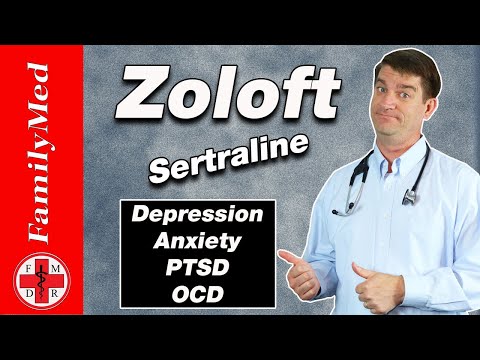
Alright, so let’s talk about Zoloft. You know, that popular little pill that seems to be everywhere these days?
It’s like the go-to for folks dealing with anxiety and depression. But here’s the thing: those costs can really add up.
Ever tried to figure out your co-pay or insurance coverage? Super confusing, right? It’s almost like a weird game of Monopoly where you’re just trying not to end up in the hospital.
And if you toss mental health access into the mix, it gets even messier. Some people might feel stuck just because they can’t afford it.
So yeah, let’s dig into how much Zoloft actually costs and what that means for your access to mental health support. You with me? Cool!
Understanding the High Cost of Zoloft: Factors Behind Its Price in Mental Health Treatment
The cost of Zoloft, like many medications, can feel pretty overwhelming, especially if you’re dependent on it for your mental health. There’s a lot that goes into figuring out why prices can be sky-high—and understanding this can help you make sense of the whole situation.
First off, Zoloft is part of a class of medications called SSRIs, or selective serotonin reuptake inhibitors. These guys are commonly prescribed for conditions like depression and anxiety. But here’s the kicker: even though Zoloft has been around since the late ’90s, the price remains steep for many.
Now, one major factor driving up the cost is patents and exclusivity. When Zoloft was first approved, it was under patent protection. This means only one company could produce it—Pfizer in this case—allowing them to set the price pretty high without competition. Once patents expire, other companies can make generic versions. But until then? Prices can soar.
Another reason is manufacturing costs. The process to create pharmaceuticals isn’t cheap or simple. There are strict regulations all over the place to ensure quality and safety in production. Each step takes time and money—and that adds up in the end price you see at your pharmacy counter.
Then there’s insurance coverage. Not all insurance plans cover medications equally. Some might only cover brand-name drugs or have high copays for certain prescriptions. If you don’t have good insurance or your plan doesn’t cover Zoloft well, you could end up paying out-of-pocket for most of its cost. That’s just frustrating!
Also worth mentioning is the role of pharmacy benefit managers (PBMs). They negotiate prices with drug manufacturers but also get to decide which drugs go on formularies—the lists of covered drugs by insurance plans. Sometimes that means making deals that don’t always favor patients—or driving up costs without much transparency.
And here’s something to think about: the overall mental health stigma and access issues. Many folks can’t afford treatment options because they’re already struggling financially or facing hurdles like limited access to providers who take their insurance. High medication costs just compound these challenges.
You know, I once talked to someone who had been prescribed Zoloft but couldn’t afford it after their insurance wouldn’t cover most of the cost. They ended up skipping doses because they were worried about money rather than focusing on their health—which is just heartbreaking when you think about how critical access to medication is.
In a nutshell, understanding why Zoloft costs what it does involves looking at a bunch of factors—from patents and manufacturing expenses to insurance coverage and PBM roles—all while trying to navigate an often complicated mental health landscape. So when those bills hit your mailbox or get processed at the pharmacy counter, remember there’s way more going on behind those prices than meets the eye!
Exploring the Impact of Sertraline on Mental Health: Benefits and Considerations
Sertraline, often known by its brand name Zoloft, is a medication that falls into the category of selective serotonin reuptake inhibitors (SSRIs). It’s mostly prescribed for conditions like depression, anxiety disorders, and PTSD. Now, let’s take a closer look at how it impacts mental health and some things to keep in mind.
Benefits of Sertraline:
- Mood Improvement: One of the main reasons people take sertraline is to help lift their mood. Many patients report feeling less down or anxious after starting this medication.
- Anxiety Reduction: If you struggle with anxiety, sertraline can help reduce those overwhelming feelings. For instance, someone who used to get nervous before social gatherings might find those situations more manageable.
- Better Sleep: A lot of people dealing with depression or anxiety also struggle with sleep issues. Sertraline can help improve sleep quality for many individuals.
However, it’s not all sunshine and rainbows.
Considerations and Side Effects:
- Side Effects: Like any medication, sertraline can have side effects. Some common ones include nausea, fatigue, or headaches. These usually fade after a few weeks but can be bothersome at first.
- Takes Time: Patience is key here! It might take several weeks before you really notice how helpful sertraline can be. So don’t get frustrated if you don’t feel better immediately; give it time.
- Discontinuation Syndrome: Stopping sertraline suddenly isn’t the best idea; it can lead to withdrawal-like symptoms such as dizziness or irritability. Always talk to your doctor before making changes to your medication routine.
Now about Zoloft costs, which can definitely affect access to mental health care.
Zoloft Costs and Accessibility:
The price of sertraline varies based on factors like insurance coverage or whether you get it as a generic prescription. Some people might find it affordable while others struggle with out-of-pocket costs. If you’re finding the expense overwhelming:
- Generic Options: The generic version is usually way cheaper than the brand name Zoloft and works just the same.
- COPAY Programs: Some pharmaceutical companies have programs that help with costs if you’re uninsured or underinsured.
- Talk To Your Doctor: They might have suggestions for alternative medications that are easier on your budget!
In short, while **sertraline** can be a game-changer for many folks dealing with mental health challenges, it’s important to consider both its benefits and potential downsides along with its cost implications. Remember it’s always best to consult with your healthcare provider when making decisions about medication!
Understanding Zoloft Costs: What You Need to Know About Pricing and Insurance Coverage
When you’re looking into Zoloft, or any medication for that matter, understanding the costs is super important. Zoloft is a commonly prescribed antidepressant that belongs to a class of drugs called SSRIs (selective serotonin reuptake inhibitors). It’s often used to treat conditions like depression and anxiety.
First off, let’s talk about the price tag. The cost of Zoloft can vary quite a bit. Generally speaking, without insurance, the price for a month’s supply could range from around $30 to over $300, depending on the dosage and pharmacy you choose. That’s like going to different coffee shops—one might charge you $4 for a latte while another one asks for $7. You follow me?
Now, if you have insurance coverage, it’s usually going to make things less painful in the wallet. But here’s where it gets tricky: not all insurance plans are created equal. Some plans cover medications differently based on tiers. For example:
- Generic vs. Brand Name: Zoloft is available as a generic drug called sertraline, which tends to be cheaper than its brand-name counterpart.
- Formulary Lists: Your insurance company will have a list of covered drugs known as the formulary. If Zoloft is on that list and in a lower tier, your co-pay might be pretty affordable.
- Prior Authorization: Sometimes your doc needs to get approval from your insurance before they’ll cover it—this can add some time and stress.
So imagine this: you’re at your doctor’s office feeling anxious and they prescribe Zoloft. You leave thinking it’ll be totally manageable financially because you’ve got insurance. But then, boom! You find out it needs prior authorization and it takes days or even weeks for them to sort it out.
Also worth mentioning—discount programs. Many pharmaceutical companies offer discount cards or savings programs that can help reduce costs even further if you’re paying out-of-pocket.
Another factor affecting cost is how long you’ll be on Zoloft. If it’s only for a short period, like after a tough breakup or stressful period at work, shelling out some cash might feel reasonable. But if it’s something you’re using long-term? Yikes! That can add up real quick.
Remember too that mental health access isn’t just about having cash in hand; it’s about support systems too. If finances are tight due to high prescription costs related to mental health meds like Zoloft, this could prevent someone from seeking help altogether.
Final thought: check with your healthcare provider about alternatives if Zoloft isn’t an option due to cost issues or coverage difficulties. There are other treatments available!
You want that balance between your mental health and what you’re spending each month—totally reasonable! So keep asking questions until you get answers that make sense for you.
So, let’s chat a bit about Zoloft and what it really means when it comes to costs and access to mental health care. You know, Zoloft is one of those go-to medications for folks dealing with depression, anxiety, and a couple of other things like OCD. It’s like the trusty sidekick in many people’s mental health journeys.
But, here’s the deal: when you’re trying to navigate the world of mental health care, the costs can seriously add up. I mean, you’ve got your doctor visits, therapy sessions, and then there’s the prescription itself. And if insurance doesn’t cover it fully—or if you’re one of those without insurance—the price tag can feel pretty overwhelming.
I remember a friend who was going through a rough patch. She finally decided to seek help after months of feeling down. Getting her first prescription felt like a big step forward, but then she opened her wallet and realized just how much Zoloft was going to cost her out-of-pocket. It was tough because she was already struggling emotionally; adding financial stress on top of that? That’s like pouring salt on an open wound.
You see where I’m going with this? The cost factor can create this barrier where people hesitate or even avoid getting the help they need. It’s almost like saying, “Hey! If you want to feel better, you gotta pay up” – which isn’t cool at all.
And then there’s the stigma around mental health that doesn’t help either. Imagine someone who’s already feeling low—not only do they have to deal with their feelings but also the judgment about seeking help or taking medication. It can be pretty isolating.
Now think about the wider picture: if we could make access to medications like Zoloft more affordable—or just easier for people in general—imagine how many more folks could start their healing journeys without that financial weight hanging over them?
In short, while Zoloft can be a game changer for many people battling mental health issues, its cost impacts who gets access and who doesn’t. And everyone deserves a chance at feeling better without breaking the bank—don’t you think?