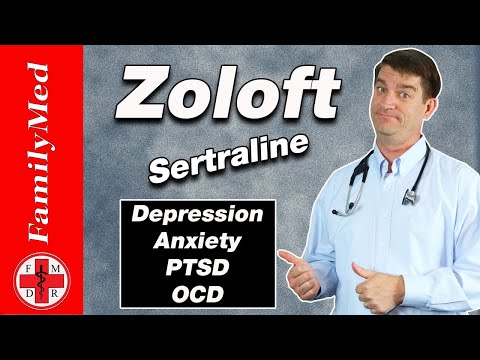
So, let’s chat about Zoloft for a sec. You know, that little magic pill that helps with anxiety and depression? Yeah, it can be a lifesaver for a lot of people.
But here’s the kicker: some folks experience diarrhea when they start taking it. Fun times, right? Like, you’re trying to feel better mentally, and then your stomach decides to throw a tantrum!
You might be wondering if this is going to stick around or if it’ll get better over time. I mean, who doesn’t want to know whether they should stock up on toilet paper or just chill out?
Let’s dig into this a bit and see what the deal is!
Understanding Antidepressant Diarrhea: Does It Go Away?
Feeling like a rollercoaster ride after starting antidepressants? You’re not alone! A bunch of folks experience some… uh, digestive surprises when they start taking meds like Zoloft (sertraline). One of the more common issues people face is diarrhea. So, let’s break this down.
First off, what’s the deal with these meds? Well, antidepressants like Zoloft work by changing how certain brain chemicals behave. They help boost mood and can really help with anxiety and depression. But along with those positive effects, you might end up with some gastrointestinal side effects. Diarrhea is one of the big ones.
So, does it go away? For many people, yes! Antidepressant diarrhea often improves over time. It’s kind of like your body is adjusting to the new medication. When you first start taking Zoloft, your body might freak out a little. This happens because it’s not used to the medication yet. Over time—usually a few weeks—you may find that those annoying tummy troubles ease up.
Here’s what people often say:
- Initial Side Effects: The first few days or weeks can be rough as your body adapts.
- Adjustment Period: Most folks see improvement after a month or so.
- Stay Hydrated: It’s super important to drink enough water if you’re dealing with diarrhea.
- Meds are Ongoing: Be sure to keep talking to your doctor about any side effects!
- Total Timeframe: If symptoms persist after about 4-6 weeks, it might be time for a chat with your doc.
Now, let me share an example. I had a friend who started taking Zoloft for anxiety and stomach issues hit hard within the first week. She was worried it would never get better! But she hung in there and kept her doctor in the loop. After about three weeks, things started settling down for her—literally! She couldn’t believe how much her mood had improved once her stomach got back on track.
But hey, there are some cases where if this issue doesn’t go away or if it gets worse, you definitely want to reach out to your healthcare provider. You don’t need to suffer in silence! Sometimes adjusting the dosage or switching medications can make a huge difference.
In short: Antidepressant-related diarrhea can be annoying, but for many folks starting Zoloft or similar meds, it tends to go away as their body adjusts over time. Just remember—if things aren’t improving or you’re feeling uncomfortable long-term, keep that communication open with your doctor!
Understanding Zoloft Side Effects: Do They Eventually Disappear?
So, you’ve heard about Zoloft and its side effects, huh? It’s totally normal to have questions about that. Zoloft is a popular medication, especially for anxiety and depression. But those pesky side effects can be a bummer—like diarrhea. Seriously, nobody wants that! So, let’s break it down.
When you start taking Zoloft (or any SSRI for that matter), your body reacts to the medication in different ways. Some folks might experience side effects right away. You might notice things like:
- Gastrointestinal issues: Diarrhea is pretty common.
- Nausea: A lot of people feel queasy when they start.
- Fatigue: Feeling more tired than usual can happen too.
- Dry mouth: Sometimes people complain about feeling parched.
Now, here’s the thing: not everyone will get these side effects, and some might only last a short while. It’s super common for your body to need some time to adjust to the new meds. For many people, symptoms like diarrhea can improve over time—usually in the first few weeks.
But let’s talk a bit more about diarrhea specifically. So, why does this happen? Basically, Zoloft affects serotonin levels in your brain and gut. Since serotonin helps regulate gut function, changes in its levels can cause tummy troubles at first.
Will it get better? Well, for most folks, yes! Many find that after a couple of weeks or so, their bodies adapt and things settle down. But if you’re still dealing with issues after a month or two? It might be worth having a chat with your doctor.
It’s important not to just stop taking Zoloft without consulting anyone first because withdrawal symptoms can kick in if you do that. Instead, talk to your healthcare provider; they can help you adjust the dose or consider another medication if needed.
And remember: everyone’s journey with meds is unique! What works like magic for one person might not work as well for someone else. So hang in there! As annoying as these side effects can be at first, there’s hope things will improve over time.
If diarrhea sticks around and becomes unmanageable? Seriously reach out to your doc; they can help figure out what’s going on or suggest alternatives! Just don’t feel like you’re stuck alone with this stuff—there are options out there!
Understanding Increased Bowel Movements on Sertraline: What You Need to Know
Sertraline, commonly known as Zoloft, is an antidepressant that belongs to a class of medications called selective serotonin reuptake inhibitors (SSRIs). It’s often prescribed for conditions like depression and anxiety. But one not-so-fun side effect some people experience is an increase in bowel movements or diarrhea. Let’s break it down.
Starting a new medication can feel like stepping into unknown territory. You might find yourself adjusting to various side effects, and increased trips to the bathroom can be one of them. This isn’t just an annoyance; it’s something many people go through with sertraline.
Why does this happen? The thing is, when you take sertraline, it affects serotonin levels in your brain. But guess what? About 90% of your body’s serotonin is actually found in your gut! So, when the medication alters these levels, it can lead to changes in your digestive system. That’s where the diarrhea comes into play.
Now, here are a few key points about this side effect:
- Common Occurrence: Many users report gastrointestinal issues when they first start sertraline or adjust their dosage.
- Timing: For most people, these symptoms may be temporary and could improve after your body gets used to the medication.
- Dosing Matters: Sometimes, higher doses of sertraline can exacerbate these digestive issues.
- Stay Hydrated: If you find yourself running to the bathroom more often than usual, fluid intake is crucial.
- Talk To Your Doctor: If diarrhea becomes severe or persistent, touching base with your healthcare provider is essential. They might suggest adjusting your dose or switching medications altogether.
You know how it feels to be at work or out with friends and suddenly need a bathroom break? It can truly disrupt your day. A friend of mine started taking Zoloft and experienced this exact thing. At first, they thought it was something they ate. Then reality hit—after doing some research and talking about it with their doctor—they realized it was just part of their adjustment period on the medication.
Also important: differentiating between temporary side effects and signs of something serious. If you notice blood in your stool or extreme discomfort along with frequent bowel movements, don’t hesitate—get medical help fast!
To sum up: while increased bowel movements on sertraline can be bothersome, they often improve over time as your body adjusts to the medication. Always keep communication open with your healthcare provider about what you’re experiencing; you’re not alone in this journey!
So, let’s talk about Zoloft for a sec. If you’re on it or thinking about it, you might’ve heard some pretty mixed reviews. It’s a go-to antidepressant, but like any medication, it can bring along some side effects. One of the big ones people mention? Diarrhea. Yeah, not the most glamorous subject, right?
When I first started Zoloft, I really hoped for that magical relief from my anxiety. But then came the digestive drama. I remember one day feeling great mentally but totally wrecked in the stomach department. Seriously, it felt like my body was at war with itself while my mind was trying to enjoy life.
Now, here’s the thing: many folks experience these kinds of side effects when they start taking medications like Zoloft. Your body is basically saying, “Whoa! What’s this?” It can be rough at first, but the good news is that for many people, these gastrointestinal issues often mellow out after a few weeks as your system adjusts to the med.
Over time—like weeks to months—you might notice things stabilizing. Your body can become more accustomed to how Zoloft works and that uncomfortable side effect could ease up a bit. I’ve heard from friends who’ve been through this rollercoaster that just sticking it out often pays off in the end. But hey, everyone’s different; if things get unbearable or you’re worried at all, reach out to your doctor.
At the end of the day, medication isn’t one-size-fits-all. Finding what works best for you can take some trial and error—and patience too! Just know you’re not alone dealing with this stuff; many have walked this path before and come out better on the other side—both mentally and physically! So hang in there; you’ve got this!