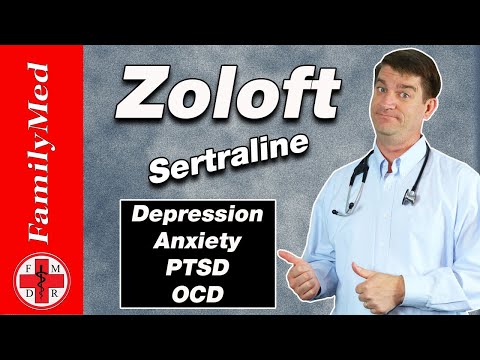
So, let’s chat about Zoloft, alright?
You might have heard of it—it’s, like, one of those go-to meds for anxiety and depression.
But what’s the real deal with it? How does it mess with your brain and feelings?
I mean, I once had a friend who swore by it. They went from feeling overwhelmed to actually being able to enjoy life again. Crazy how that works, huh?
It’s not all sunshine and rainbows though. There are some ups and downs people experience.
Let’s dive into the effects of Zoloft on mental health and emotional well-being. You’re gonna want to know this!
Understanding Zoloft: How It Affects Your Emotions and Mood
Zoloft, or sertraline, is one of those medications people talk about when it comes to tackling depression and anxiety. It’s a type of antidepressant called a selective serotonin reuptake inhibitor (SSRI). Sounds technical, right? But stick with me. What that means is Zoloft helps increase the amount of serotonin in your brain. Serotonin is this chemical that plays a big role in your mood and how you feel overall.
When you first start taking Zoloft, you might find that it takes a few weeks to really kick in. That’s pretty normal. Some folks might feel a little off at first—maybe some mild side effects like nausea or headaches. But don’t sweat it; many people find these feelings fade away after their bodies adjust to the medication.
How does it affect your emotions? Well, Zoloft isn’t just about making you feel happy all the time. It’s more about balancing things out so those waves of anxiety or sadness don’t take over your life. Think of it this way: if your emotions are like a rollercoaster, Zoloft tries to smooth that ride out so you’re not constantly going up and down.
It’s important to understand that everyone’s experience with Zoloft can be different. Some people notice their mood stabilizes significantly; they feel less anxious and become more open to enjoying life again. Others may not feel much difference at all right away.
Here are some key points about how Zoloft affects mental health and emotional well-being:
To give you an idea of what this can look like: imagine Sarah, who struggled with crippling anxiety before starting Zoloft. She felt overwhelmed by everyday tasks—like going grocery shopping was such a chore! After being on Zoloft for a few weeks, she started noticing she wasn’t sweating the small stuff as much anymore. Sure, there were still tough days ahead, but she felt equipped to deal with them now.
Of course, medication isn’t everything! It works best when combined with therapy or other coping strategies—think mindfulness exercises or good ol’ self-care routines.
So if you’re considering Zoloft or are already on it but unsure about how it’s affecting you? Just know it’s okay to have questions or concerns—talking it out with your doctor can help clarify what’s happening inside your head while you’re on this journey toward feeling better.
Understanding Emotional Blunting from Antidepressants: Does It Eventually Fade?
Understanding emotional blunting is pretty important, especially if you’re taking antidepressants like Zoloft. So, let’s break it down together.
First off, what do we mean by «emotional blunting«? Basically, it’s when you find it hard to feel emotions—good or bad. You might notice that things that used to excite you or make you happy just don’t hit the same anymore. It can feel like you’re watching life through a foggy window.
Now, why does this happen with antidepressants? Well, Zoloft and similar meds work by altering neurotransmitters in your brain, particularly serotonin. And while they help lift depressive symptoms for many people, they can also create a sort of dullness to feelings. Imagine your favorite song turned down so low you can barely hear it. That’s kind of what emotional blunting feels like for some folks on these medications.
But here’s the thing: **does this fade away?** For many people, yes! Once your body adjusts to the medication and finds its groove again, emotional blunting can lessen. It might take some time though—weeks or even months. Just think about it like getting used to a new pair of shoes; at first, they might pinch a bit, but over time they’ll feel more comfortable.
Some important points to keep in mind include:
So, if you’re feeling like an emotional zombie while on Zoloft or another antidepressant, don’t sweat it too much right away. It’s totally valid to be concerned about your emotional state; after all, emotions are what make life colorful! Just remember that many people go through this phase and come out on the other side feeling more tuned in again.
Lastly, always keep those lines of communication open with your healthcare provider. They’re there to help navigate these muddy waters and keep an eye on how you’re doing emotionally and mentally as treatment progresses. You got this!
Understanding the Link Between Zoloft and Palpitations: What You Need to Know
Zoloft, also known as sertraline, is a popular medication often prescribed for anxiety and depression. It belongs to a class of drugs called **SSRIs** (selective serotonin reuptake inhibitors). Basically, these meds help increase the level of serotonin in your brain, which can improve your mood. But here’s the thing—some folks experience palpitations while taking Zoloft. Palpitations are those weird moments when your heart seems to be racing or fluttering.
So, what’s up with that? Well, it turns out that palpitations can be linked to several factors when you’re on Zoloft. It could be your body reacting to the medication itself or even due to anxiety or stress, which Zoloft is meant to help with in the first place. You following me here? It’s kind of like a rollercoaster ride where you feel excited but also a bit anxious at the same time.
Here are some important points to consider about Zoloft and palpitations:
Now let me share something personal here. A friend of mine started taking Zoloft after feeling overwhelmed by life changes. She noticed her heart racing at random times—especially at night when she was trying to sleep. It was unsettling! After chatting with her doctor about it (which is so important), they decided her dosage was too high for her needs. They adjusted it and guess what? The palpitations calmed down after a bit.
When on Zoloft and experiencing heart palpitations, keep these points in mind:
Talk to Your Doctor: Communication is key! If you’re having these sensations frequently or they’re concerning you, reach out for guidance.
Keeps Track: Jot down when the palpitations happen—like specific times during the day or activities leading up to them—this info can really help your healthcare provider understand what’s going on.
Stay Informed: Understanding both Zoloft and how it interacts with your body is crucial for managing any side effects effectively.
In short, while Zoloft can be super helpful for many people struggling with mental health issues, it’s not without its quirks like palpitations that might catch you off guard. If you’re finding yourself in this situation—remember you’re not alone! Talking openly about what you’re experiencing will always lead toward better outcomes and hopefully less worry over those racing hearts!
So, let’s chat about Zoloft for a minute. It’s one of those meds, you know? A lot of folks take it to help with anxiety and depression. But what does it really do for your mental health and emotional wellbeing?
I remember a friend who started taking Zoloft after feeling like she was stuck in this never-ending fog. Seriously, her days felt gray, and even the little joys seemed dimmed. After a few weeks on Zoloft, she told me the sun started shining again—metaphorically speaking, of course! She said it was like someone had lifted a weight off her shoulders.
The thing is, Zoloft is an SSRI (Selective Serotonin Reuptake Inhibitor). It boosts serotonin levels in your brain. So you’re literally working with the chemicals that influence how you feel. But everyone’s experience is different—some people might not feel much change at all, while others could find themselves feeling more balanced.
Of course, there are potential side effects too! Some folks report feeling jittery or having trouble sleeping at first. You know what I mean? It’s kind of like walking a tightrope—you want the stability but need to be cautious about taking that next step.
And let’s be real: taking medication isn’t the only solution out there. Therapy? It’s often paired with meds and can amplify their effects too. Sometimes just talking through things can help you process emotions in ways that pills alone can’t.
It’s all about finding what works for you personally, right? Maybe it’s Zoloft or maybe it’s something else entirely. Whatever path you take, just hang in there—it’s totally okay to reach out for help when you need it. There’ll always be ups and downs; that’s just life!