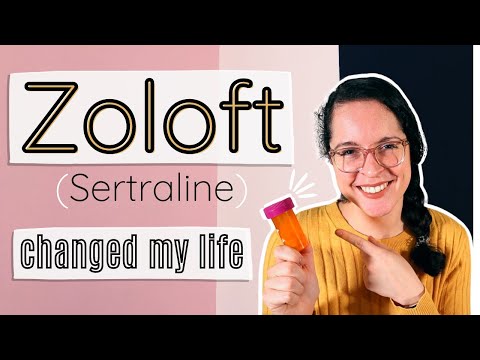
Zoloft. It’s a name you might’ve heard tossed around, especially when it comes to mood stuff. But there’s more to it than just helping with anxiety or depression.
You know how your menstrual cycle can feel like a rollercoaster? Well, Zoloft might just throw a few more loops in there. Some folks swear by it for mood swings, but others? Not so much when it comes to their periods.
So let’s chat about what this all means—your mood, your cycles, and how Zoloft fits into the picture. Because honestly, understanding this stuff matters way more than we often think!
Exploring the Impact of Sertraline on Menstrual Mood: Does It Help?
So, let’s chat about sertraline, commonly known as Zoloft. You know, it’s one of those go-to medications doctors prescribe for depression and anxiety. But what’s interesting is its impact on menstrual mood, which is like a whole other layer of the conversation. Let me break it down for you.
Sertraline and Your Mood
First off, sertraline works by balancing out certain chemicals in your brain. It specifically targets serotonin, which plays a huge role in regulating mood and emotional responses. When you’re on it, you might notice fewer dips in your mood around your period. That being said, it’s not a magic pill that erases all mood swings — but some people do find relief from the intensity of those fluctuations.
Menstrual Cycle Effects
Now, let’s get into how this all relates specifically to your menstrual cycle. Many women experience heightened emotional responses during their periods due to hormonal changes. If you’ve ever felt super sensitive or down right before or during your cycle, you’re definitely not alone!
Sertraline can help smooth out those emotional bumps for some folks. It can act as a stabilizer when hormones are doing their thing. Imagine trying to ride a rollercoaster with no seatbelt; then someone hands you one! That’s how it feels for some—like you’ve got a little more control over those wild turns.
Research Findings
There are studies indicating that women taking sertraline may see improved mood stability throughout their menstrual cycles. In one research example, participants reported fewer mood swings when taking the medication consistently versus not at all.
But remember: not everyone is going to respond the same way! While some might find it helpful during that time of the month, others may not feel much change at all.
Side Effects to Consider
Just like any medication, there can be some side effects to be aware of when taking sertraline—especially around your menstrual cycle:
These can complicate things even more if you’re already dealing with period-related symptoms.
Consulting with Your Doctor
If you’re thinking about starting sertraline or are curious about its effects on your cycle and mood changes, it’s important to have an open chat with your healthcare provider. They can help tailor treatment options based on how you’re feeling and whether you’d benefit from this medication during that particular time of the month.
At the end of the day, finding something that really works for you is essential—especially since our bodies are always changing!
So yeah, while sertraline has been beneficial for many regarding mood stability throughout their menstrual cycles, it’s all about understanding how it fits within your unique hormonal landscape. Every body responds differently!
The Top Side Effect of Zoloft: What You Need to Know
Zoloft, or sertraline, is a pretty common medication used to treat anxiety, depression, and a few other mental health issues. But it’s not just the mind that can feel the effects; it can also mess with your body in ways you might not expect. One of the more talked-about side effects is its influence on menstrual health and mood. Let’s break this down a bit.
First off, many people report changes in their menstrual cycle after starting Zoloft. Some may experience irregular periods, while others find their cycles become shorter or longer than usual. This can be super frustrating if you’re trying to keep track of your cycle for any reason—like planning or just knowing what’s coming up next.
Now let’s talk about mood changes. While Zoloft is designed to help stabilize your mood, it doesn’t always work out like that for everyone. Some women have noticed increased mood swings when taking this medication, especially around their period. You know how hormones can make you feel all over the place? Well, mix those ups and downs with Zoloft, and it can be a rollercoaster ride.
So why does this happen? Well, our bodies are complex machines. Hormones like estrogen and progesterone play a huge role in both menstruation and mood regulation. Zoloft affects serotonin levels in your brain but can also interact with how these hormones function. It’s kind of like giving one part of the system a boost while messing with another part at the same time.
Here are some key points about these potential side effects:
- Irregular Cycles: You might notice your period doesn’t come when expected.
- Mood Swings: Some people feel more emotional than usual.
- Physical Symptoms: Things like bloating or cramps could change in intensity.
- Interaction Effects: The way Zoloft interacts with hormonal changes during your cycle could amplify mood issues.
Now let’s share a quick story to illustrate all this. Imagine Sarah—she started Zoloft after grappling with anxiety for years. At first, she felt hopeful about feeling better emotionally. But soon she noticed her periods were all over the place—sometimes late by weeks! And her moods became so unpredictable that she felt like she was living in chaos again. Eventually, Sarah spoke to her doctor about these changes, only to find out that they were actually expected side effects of the medication combined with her hormonal fluctuations.
This highlights an important takeaway: Always keep an open line of communication with your healthcare provider when starting something new like Zoloft. Tracking symptoms can really help you figure out if what you’re experiencing is normal or if adjustments are needed.
In the end, it’s crucial to remember that everyone reacts differently to medications like Zoloft. What works well for one person might not be great for another! Just be aware of how your body responds and don’t hesitate to reach out for guidance—you deserve support on this journey!
Understanding the Impact of Zoloft on Your Menstrual Cycle: Insights from Reddit Discussions
Talking about Zoloft and its impact on your menstrual cycle can feel, well, a bit like diving into a pool of mixed feelings and experiences. So, let’s break it down.
One of the most notable things people mention in their Reddit discussions is how Zoloft (sertraline) can affect your mood during your cycle. Some women report feeling less emotional turmoil during PMS when they are on this medication. You know how those hormone swings can be, right? It’s like riding a rollercoaster. With Zoloft, many share that their mood stabilizes more, which might help ease those pre-period blues.
Physical Symptoms are another area where users talk about noticeable changes. Some women have experienced lighter periods or less cramping while on Zoloft. Others mention more frequent cycles or even some unpredictable spotting. It’s a mixed bag out there! Each body reacts differently to meds, and that holds true here too.
But then there are the folks who feel their period gets heavier or more painful on Zoloft. Can you imagine dealing with heightened anxiety only to face a challenging menstrual issue too? That sounds rough!
In terms of timing, many Redditors point out that if they start Zoloft or change their dosage, it might take a few months before any changes in their menstrual cycle show up. So if you’re noticing differences right away—or still nothing after a while—it’s important to chat with someone about it.
And let’s not forget the connection between Mental Health and menstrual health. Sometimes, when you start feeling more stable mentally due to medication like Zoloft, it can naturally lead to changes in how you experience your cycle. If you’re feeling less stressed or anxious overall, maybe PMS won’t hit you as hard.
Lastly, some discussions highlight the importance of keeping track of any changes you see in your body when taking Zoloft—whether that be mood shifts, physical symptoms, or cycle regularity.
So, if you’re on Zoloft and noticing shifts in your menstrual health—or if you’re thinking about starting it—it’s definitely worth having an open conversation with someone who knows the ins and outs of these medications. You’re not alone; so many others are out there sharing their journeys too!
Alright, let’s chat about Zoloft and its effects on menstrual health and mood. You know, it’s one of those medications that people often turn to when they’re feeling really low or anxious. And while it can help a lot with things like depression and anxiety, there’s a bit more to the story—especially for those with cycles.
First off, Zoloft is an SSRI, which basically means it helps keep serotonin levels in check. Serotonin is that feel-good chemical in your brain that helps boost your mood. But hormones are wild, right? They’re always in flux, especially during your menstrual cycle. It’s like riding a rollercoaster every month! So when you throw medication into the mix, things can get a little chaotic.
I remember talking to my friend Sarah about this once. She’d been on Zoloft for a few months and felt amazing at first—like she could finally breathe again after being underwater for so long. But then came her period. It hit her hard; she experienced these intense mood swings that left her feeling like she was on the brink of tears one minute and ready to snap the next. She couldn’t figure out if it was the medication or just her period playing tricks on her.
So here’s the deal: some people find that their moods stabilize while on Zoloft during their periods, while others have a rough ride. There might be increased PMS symptoms for some women; bloating, irritability, and all those lovely feelings can sometimes seem magnified because of how the body reacts to both hormonal changes and meds.
And then there are reports suggesting SSRIs may even change menstrual cycles for some folks—like triggering heavier periods or making them more irregular. That adds another layer of confusion! You want clarity from your medication but end up with added unpredictability in your cycle.
Being aware of how these two aspects interact is really important because it can guide how you talk with your doctor about your experience. If something feels off—whether it’s mood swings or crazy period symptoms—you might want to explore alternatives or dosages together.
At the end of the day, finding balance is key! Just remember you’re not alone if you’re navigating this tricky path with medication and menstrual health; lots of people are out there figuring it out too! Keeping open lines of communication with those who support you can make all the difference while you’re sorting through what works best for you personally.