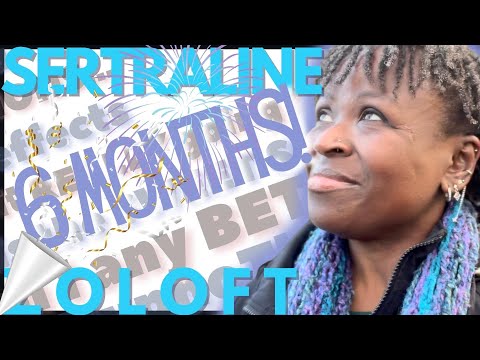
So, let’s talk about Zoloft for a sec. You know? That little pill that some people take to help chill out their feelings?
Honestly, it’s not just about the medication. It’s also about how you navigate through all those ups and downs. It can feel like a wild ride sometimes.
I mean, I remember when my friend started on it. She was nervous, hopeful, and a bit scared all at once. That rollercoaster of emotions? Yeah, totally relatable.
We’re diving into the whole experience here—the good, the bad, and everything in between. You ready to unpack this journey with me?
Understanding Zoloft: Does It Dull Your Emotions or Improve Mental Health?
Zoloft—or sertraline, if we’re getting technical—has been a go-to medication for many folks dealing with depression, anxiety, and a few other mental health challenges. If you’re considering it or just curious, you might be wondering whether it dulls your emotions or actually helps improve your overall mental health. Let’s break this down.
First of all, Zoloft is part of a class of medications called SSRIs, which stands for selective serotonin reuptake inhibitors. These meds work by increasing the levels of serotonin in your brain—a neurotransmitter that plays a big role in regulating mood. So, in theory, more serotonin should help you feel better, right? It’s not just science; it’s like giving your brain a little boost when it’s feeling low.
Now, here’s where it gets interesting. Some people report feeling *less* intense emotions while on Zoloft. You know how sometimes you can feel really high with excitement or really low when you’re sad? Well, for some folks taking Zoloft, those highs and lows might flatten out a bit. This doesn’t happen to everyone though!
It’s like when my friend Sam started taking Zoloft after going through a rough patch. He told me he felt less anxious about everyday stuff—like public speaking—but also noticed that he didn’t feel as happy during fun moments either. It was a mixed bag: less anxiety but also less joy sometimes.
Here are some key points to consider:
- Different Reactions: Everyone reacts differently to Zoloft. Some may experience emotional numbness while others might just feel more balanced.
- The Adjustment Period: It can take weeks to see the full effects of Zoloft—sometimes people accept the emotional flatness as part of their adjustment.
- Treatment Goals: For many, the goal is to manage debilitating symptoms rather than feel 100% energized all the time.
- Consulting Your Doctor: It’s crucial to have conversations with your healthcare provider about what you’re feeling and any side effects you notice.
I mean, imagine trying out new shoes; sometimes they fit perfectly right away and other times they take some breaking in before they feel great.
The truth is that balancing medications like Zoloft while exploring emotions can be tricky business. Some people find they’re able to engage more genuinely with their feelings once their anxiety decreases and they don’t feel so overwhelmed by negative thoughts or moods anymore.
But here comes the kicker: if Zoloft dulls your emotions too much or impacts your enjoyment of life negatively, it’s totally okay to talk about switching things up with your doctor! There are other options out there too—like therapy or different meds—that may align better with what you’re looking for.
In the end, understanding how Zoloft affects you personally is super important. Each journey through mental health isn’t one-size-fits-all—not at all! Whether it helps you regain control over your life or alters how you connect emotionally is something unique to each individual experience.
So yeah, keep those lines of communication open! Emotional ups and downs are part of being human; if medication feels off for you at any point on this journey, definitely don’t hesitate to ask questions and seek support along the way.
Exploring the Effects of Zoloft: Can It Help Quiet Your Mind?
Zoloft, or sertraline, you know, it’s one of those medications that people often turn to when they’re feeling pretty overwhelmed. It’s primarily prescribed for conditions like depression and anxiety. But like, what does it actually do?
When you start taking Zoloft, it works by influencing the levels of serotonin in your brain. Serotonin is this feel-good chemical that helps regulate mood, sleep, and even your appetite. You could think of it as a little mood booster that helps keep things in check up there—it’s not a magic pill, but it’s definitely helpful for some folks.
Now, let’s get into some specifics on how Zoloft might help quiet your mind:
- Reducing Anxiety: Many people report feeling less anxious after starting Zoloft. Imagine waking up and not immediately feeling that heavy weight of dread pressing down on you—sounds nice, right?
- Improving Mood: For those dealing with depression, Zoloft can help lift that foggy cloud hanging over your head. It’s like finally being able to see the sun after a long period of gray skies.
- Better Focus: When anxiety and depression ease up a bit, it often clears the mental clutter. You might find yourself thinking more clearly and being able to concentrate better on daily tasks.
- Smoothing Out Emotions: Instead of those extreme highs and lows—you know the rollercoaster ride?—many feel more leveled out emotionally while on Zoloft.
But let’s not sugarcoat everything. Some people don’t have such a smooth ride with this medication. Side effects are real! Common ones include nausea or fatigue when starting out. And sometimes it can take a few weeks before you even notice any changes. So like, patience is key here.
It’s important to connect with your doctor about what you’re experiencing. Some folks might need their dosage adjusted, while others may find they need something different altogether if Zoloft isn’t doing the trick for them.
And remember: everyone’s experience is unique! Your friend might rave about how life-changing Zoloft was for them while someone else could say it didn’t help at all. The journey with any medication can be bumpy—there’s no one-size-fits-all answer here.
So if you’re considering Zoloft or are already on it and wondering how it’s really affecting you? Just know you’re not alone in this mental health journey. Tune into how you’re feeling overall and trust yourself to seek support when you need it!
Understanding Sertraline: When Does the Medication Reach Its Peak Effect?
Sertraline, often known by the brand name Zoloft, is a common antidepressant used to treat conditions like depression, anxiety, and OCD. It belongs to a class of medications called SSRIs (selective serotonin reuptake inhibitors). So, let’s break down when you can expect to feel its peak effects.
First off, sertraline doesn’t work overnight. Unlike popping an aspirin for a headache, this medication takes time to build up in your system. Generally speaking, many people start to notice some improvements within a couple of weeks. But the full benefits usually kick in around 4 to 6 weeks. It’s like waiting for a flower to bloom; it doesn’t happen instantly.
After you start taking it, sertraline levels slowly rise. It reaches its maximum concentration in your blood within about about 4 to 6 hours after you take a dose. However, just because it’s at its peak concentration in your bloodstream doesn’t mean you’ll feel all the effects right away.
Why? Well, the thing is serotonin—the neurotransmitter sertraline helps regulate—takes time to affect mood and emotions positively. You might experience some side effects during that initial phase too. Those can range from nausea to sleepy feelings or even jitteriness. None of this is fun, but hang tight! These are usually temporary as your body adjusts.
Let’s say you’re starting on sertraline for anxiety. You might feel a bit calmer after two weeks but still not totally yourself yet. By week four or five? That’s when many folks report feeling more balanced and less overwhelmed.
Consistency is key. Taking your medication at the same time every day helps maintain those stable levels in your body. Think of it as watering that flower regularly so it can grow strong and bright!
Also remember: everyone’s different! Some might hit their peak quicker; others may need longer before feeling the full effects kick in. Don’t get discouraged if it takes time—it’s totally normal!
If after six weeks you’re not feeling much improvement—or if side effects are really bumming you out—definitely reach out to your healthcare provider. They might suggest adjusting your dosage or trying something else entirely.
In summary:
- Peak Effects: Typically noticed around 4-6 weeks.
- Initial Response: Some may feel better within a couple of weeks.
- Dose Timing: Take consistently for best results.
- Adjustments: Talk with a doctor if things aren’t improving.
Remember, mental health journeys are unique and what works for one person might not work for another—but that’s okay!
Using Zoloft can be a bit of a rollercoaster, you know? I mean, it’s not just about popping a pill and feeling instantly better. It’s like embarking on this journey through your emotions with a new companion.
I remember when my friend Jess decided to start taking Zoloft. She was going through one of those tough patches where every day felt like wading through molasses. Like, super heavy. She just wasn’t herself anymore. And honestly, that was hard to watch.
After chatting about her feelings and doing some research, she spoke with her doctor. They decided Zoloft might help balance things out for her. At first, it took some time for the medicine to kick in—like weeks! Sometimes she felt hopeful, then other times all those feelings would creep back in, making it feel frustrating.
But really? Over time, Jess found that the fog started to lift. She described it as finally getting out of a swimming pool after being submerged for too long—gasping for air but excited by the fresh breeze too! Navigating emotions became more manageable for her.
Of course, there were ups and downs along the way—some side effects here and there—but she learned how to communicate with her doctor about them like it was no big deal. So empowering! And with every little step forward, she began recognizing which emotions were hers and which ones had been totally muddled before.
What’s wild is that everyone’s experience is unique. Some days feel heavier than others; sometimes you’re just cruising along without a care in the world. But having Zoloft helped Jess create space between her thoughts and feelings—it was like she could finally take a breath.
So yeah, if you or someone you care about is going down that road with Zoloft or any other mental health treatment, keep in mind it can be totally worth it even when things get complicated! Because navigating emotions isn’t easy—it takes time and patience—and knowing you’re not alone makes all the difference.