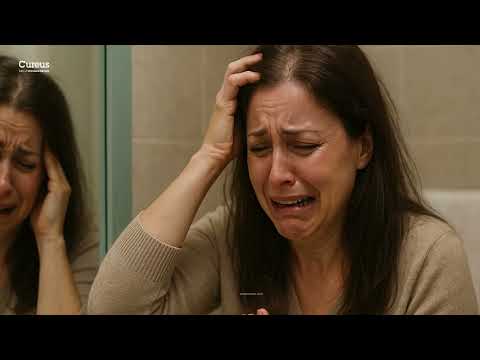
So, here’s the thing: You might have heard some buzz about Zoloft and how it messes with your hair. Yeah, it sounds a bit wild, right? I mean, we’re all trying to keep our locks looking good while dealing with life’s ups and downs.
People online are chatting about this. Some swear that it caused their hair to thin out or fall out. Others say they didn’t notice a thing. It’s like one big hair mystery!
Let’s dig into what folks are saying in mental health forums. You know, real experiences and opinions can shed some light on this whole Zoloft situation. Because honestly, navigating through mental health isn’t easy, so let’s unpack this together!
Exploring SSRI Side Effects: Which Antidepressant is Most Likely to Cause Hair Loss?
So, let’s get into the nitty-gritty of SSRIs and hair loss. There’s been a lot of chatter about this, especially with medications like Zoloft, which is pretty popular for treating depression and anxiety. But what’s the real deal?
First off, **SSRIs (Selective Serotonin Reuptake Inhibitors)** are a class of antidepressants that work by increasing serotonin levels in your brain. This can boost your mood and help with anxiety. But, here’s where it gets tricky—some folks report experiencing hair loss when they’re on these meds.
When you dig through mental health forums, it seems people have mixed experiences. Some say they’ve noticed thinning hair or more hair falling out than usual after starting Zoloft. Others haven’t had any issues at all. Isn’t that wild? So why does this happen?
Possible reasons for hair loss:
- Hormonal changes: SSRIs can alter hormone levels in your body, affecting your hair growth cycle.
- Stress response: If you were stressed before starting the medication, you might see shedding as your body adjusts.
- Nutritional factors: Some people may not be eating well during tough times, contributing to poor hair health.
Now, not every SSRI will cause hair loss. It appears to vary from person to person and seemingly depends on the specific drug too. For instance:
- Zoloft (Sertraline) has been linked with some reports of hair thinning.
- Paxil (Paroxetine) is another one people tend to mention in discussions about hair loss.
- On the flip side, medications like Prozac (Fluoxetine) seem to come up less often in these conversations regarding this side effect.
But it’s important to remember that correlation doesn’t equal causation! Just because someone experiences hair loss while taking an SSRI doesn’t mean the med is at fault.
If someone is noticing their hair thinning after starting Zoloft or another SSRI, it makes sense to consult a healthcare professional about it. They might suggest adjusting dosage or even trying an alternative medication.
So what can you do if you’re worried? Here are some general pointers that could help:
- Keep track: Monitor your symptoms and any changes in your body—this gives you something concrete to discuss with your doctor.
- Nourish yourself: Eating a balanced diet rich in vitamins like biotin can promote healthier hair growth.
- Pace yourself: If stress is a factor—deep breathing exercises or even therapy can make a world of difference.
Remember that everyone’s journey with mental health treatment is unique. What works wonders for one person might not for another—and that’s totally okay! Hair loss can feel super frustrating when you’re already dealing with emotional ups and downs.
In short, while there are reports linking SSRIs like Zoloft to hair loss for some individuals, it’s not a universal experience. Always talk things over with a trusted healthcare provider if you start noticing changes after beginning any new medication!
Understanding Zoloft and Hair Loss: Insights from Reddit Discussions
So, let’s chat a bit about Zoloft and this whole hair loss thing. You might’ve seen some buzz around it on Reddit and other places. People share their experiences, worries, and sometimes fears about what they’re going through.
First off, Zoloft is an antidepressant that belongs to a class called SSRIs, or selective serotonin reuptake inhibitors. It’s commonly used for depression and anxiety. The main idea behind SSRIs is that they help increase the level of serotonin in your brain, which can boost your mood.
But here’s where things get tricky. A number of folks have reported noticing hair loss after starting Zoloft. This can be a real bummer! It’s not just about feeling low; hair loss can really shake up your confidence.
Now, the thing is, not everyone who takes Zoloft will experience this side effect. Some people have taken it for years without any issues with their hair at all! That’s why it’s crucial to consider individual differences. Genetics, other medications, stress levels—these factors can also play a significant role in how you react to any medication.
From those Reddit threads, a common thread (pun intended!) is the uncertainty around why this happens. Some believe it could be related to hormonal changes triggered by the medication or even stress related to mental health issues getting better or worse during treatment. Hair growth cycles are affected by many things!
Here are some key points pulled from discussions:
One user shared how they felt their hair was thinning after starting Zoloft but noticed an improvement once they switched medications and started focusing on their diet again. It’s like so many things in life—it varies from person to person!
If you’re worried about hair loss while on Zoloft or any medication really, don’t hesitate to talk to your doctor about it. They might suggest alternatives or additional treatments that could help.
In summary, while some people do report hair loss as a side effect of Zoloft, it doesn’t mean everyone will experience this uncomfortable change. It’s always good to keep an open line of communication with your healthcare provider as you navigate these concerns because mental health matters—and so does your self-esteem!
Understanding Sertraline-Induced Hair Loss: Is It Reversible?
So, let’s chat about sertraline, often known by its brand name Zoloft. It’s a pretty common medication used to treat anxiety and depression. But one side effect that sometimes pops up is hair loss. Yeah, I know, it can feel like a double whammy when you’re already dealing with mental health issues.
When it comes to sertraline-induced hair loss, folks on mental health forums often share their experiences and concerns. Many express frustration over noticing more hair in their brushes or shower drains after starting the medication. It’s like an unexpected twist in the story of recovery, right?
So, why does this happen? Well, medications like sertraline can affect your body in various ways. One possible reason for hair loss is that SSRIs (Selective Serotonin Reuptake Inhibitors) can disrupt your hair growth cycle. You see, our hair goes through phases—growth, rest, and shedding. Some users believe that sertraline might push more of their hairs into the shedding phase too early.
Now here’s the burning question: Is it reversible? Generally speaking, yes! For most people who experience hair loss related to sertraline, stopping the drug usually leads to regrowth over time. But it might take a few months for things to get back to normal since your hair doesn’t just bounce back overnight.
Still, it’s super important to remember that everyone’s body reacts differently. Some people might not have any issues at all while others see noticeable changes. If you’re feeling concerned about this side effect—or really any side effects—just chat with your doctor! They’re there to help you weigh the pros and cons of your treatment plan.
Here are a few points to think about:
- Consult Your Doctor: Always reach out if you notice sudden changes.
- Patience Is Key: Hair regrowth after stopping medication can take time.
- Consider Alternatives: If hair loss is significant, discuss other options with your doctor.
- Anecdotal Evidence: Many folks on forums report improvement after discontinuing sertraline.
Some people find comfort in sharing their experiences online, discussing what worked for them or different treatments they tried when faced with issues like this one. Remember that connecting with others going through similar situations can be a huge relief—you aren’t alone in this struggle!
In summary, while sertraline-induced hair loss is something many deal with temporarily during treatment, most find that once they stop taking the medication, things start looking up again for their hair health as well as their mental well-being! Just keep an open dialogue with your healthcare provider so you can navigate these challenges together.
You know, it’s pretty interesting how people open up in mental health forums. I recently stumbled across a lot of conversations about Zoloft and hair loss. For anyone unfamiliar, Zoloft is an antidepressant from the SSRI (selective serotonin reuptake inhibitor) family. It helps manage depression and anxiety by boosting serotonin levels in the brain. But that’s not the only thing people are talking about.
In these forums, some folks were sharing their experiences with hair loss after starting Zoloft. One person mentioned how they noticed more strands on their pillow each morning. It really hit home for them because hair has this way of affecting self-esteem, you know? Feeling down might already be rough enough without having to deal with extra insecurities.
What’s fascinating is that while some users reported a significant shed, others claimed it didn’t affect them at all. This kind of variability can be frustrating. You’re trying to get your mental health in check but then face an unexpected side effect that throws a wrench in the works. Honestly, it makes sense to be worried about your hair when you’re already navigating tough emotions and situations.
A lot of people offered support and shared tips on managing this issue—like vitamins or changing hair products—and just generally commiserating over the whole experience. Community discussions like this remind me how important it is to have a space where you can share your struggles without judgment.
Of course, not every experience will be the same since everyone’s body reacts differently to medication. But tapping into those shared stories can make someone feel less alone during an already challenging time. It’s like a small bond formed over struggles and victories blended together, helping us navigate through the complexities of mental health treatments while acknowledging those little quirks that come along for the ride, like hair loss.
In all honesty, these conversations highlight a tough balancing act: addressing your mental health needs while also taking care of your physical self-image too—nothing’s simple when it comes to health!