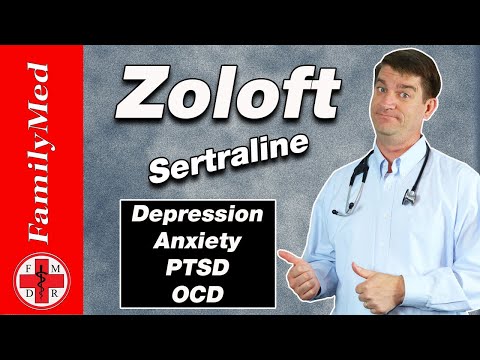
You know, when you start taking medication like Zoloft, you’re usually looking for a little relief from anxiety or depression. But then, out of nowhere, you start to feel this itchiness. Like, seriously? This wasn’t on the brochure!
It can be super frustrating. Not only are you dealing with your mental health stuff, but now there’s this annoying physical sensation to worry about too. It’s weird how our bodies react to things, right?
So let’s chat about that itchy feeling and how it can mess with your head—literally! Because the thing is, it’s not just a little scratch here and there; it could hit you where it counts—your overall well-being.
Understanding Zoloft and Itchy Skin: Is Your Medication Causing Discomfort?
When you’re dealing with medication like Zoloft, it can be a bit of a mixed bag. On one hand, it helps lots of people manage anxiety or depression. On the other hand, some folks experience side effects that can really throw them for a loop—like itchy skin. So, what’s the deal with that?
First off, Zoloft is an SSRI (Selective Serotonin Reuptake Inhibitor). This means it works by increasing serotonin levels in your brain, which can improve mood and help with anxiety. Sounds good, right? But here’s the kicker: sometimes your body reacts to medications in unexpected ways.
Now, let’s break down what could be happening if you notice some scratching after starting Zoloft:
Itching can feel pretty annoying and might even start messing with your overall mood (which is the opposite of what Zoloft aims to do). You could find yourself more anxious about the itch than you were about whatever prompted you to seek help in the first place.
I remember chatting with a friend once who had just started Zoloft. She was super excited but then began itching all over—like she had caught poison ivy or something! It was frustrating for her because she wanted relief from her anxiety but now had this new issue to deal with.
If you’re feeling uncomfortable due to itching while taking Zoloft, it’s crucial to talk to your doctor about it. They may suggest different options:
Honestly, there’s no one-size-fits-all answer here because everyone reacts differently to meds. The goal should be finding what works best for you—without all those annoying side effects.
In summary, itchy skin while on Zoloft isn’t uncommon and definitely worth discussing with your healthcare provider! It may not be anything serious but just having that conversation can lead you back on track towards feeling better both mentally and physically.
Understanding Psychosomatic Itching: Signs and Insights to Recognize Mental Health Connections
Psychosomatic itching is a pretty interesting and complex issue. It’s when your mind causes physical symptoms, like itchy skin, that aren’t from a clear medical reason. Imagine feeling like you need to scratch your back furiously, but there’s really nothing there! This might be linked to anxiety, stress, or even depression.
So, here’s the thing: when you’re under a lot of stress or grappling with emotional turmoil, your body can react in all sorts of ways. It might manifest as itching, tension headaches, or even digestive problems. It’s like your body is crying out for help but through these weird physical cues.
- Signs of psychosomatic itching: You might notice that the itching happens mainly during stressful times. For instance, if you have a big presentation at work and suddenly feel like you’re crawling out of your skin.
- Common triggers: Anxiety and depressive episodes can be major culprits here. When you’re anxious, your body goes on high alert; that can lead to all sorts of weird symptoms.
- The connection with medications: Some people find that medications like Zoloft, which is used for depression and anxiety disorders, can cause side effects including itching. It’s not always straight up about being psychosomatic but can play into the overall feeling of discomfort during treatment.
Let me share a quick story. A friend of mine was on Zoloft for anxiety. She started experiencing this intense itching that left her scratching constantly. At first, she thought it was just dry skin or an allergy. But after seeing her doctor and doing some digging together, we realized it was more about how overwhelmed she felt than anything else—a classic case of psychosomatic issues linked to mental health.
This doesn’t mean the itching isn’t real; it’s very real! And it can be frustrating because if there’s no visible rash or allergic reaction, it’s easy for others to dismiss it as “just in your head.” But remember: what happens in our minds absolutely impacts our bodies!
If you’re dealing with this kind of issue, talking things through with a therapist could really help uncover any underlying stressors or emotional triggers. Therapy can create a safe space to address those tough feelings head-on.
The bottom line? Pay attention to what your body is telling you! If you notice patterns where emotional stress correlates with physical symptoms like itching, consider reaching out for help—be it from a healthcare provider or therapist.
Exploring the Impact of Sertraline on Mental Health: Can It Cause Issues?
Sertraline, commonly known under the brand name Zoloft, is a type of medication often prescribed for issues like depression and anxiety. But while it helps many people feel better, it also comes with a set of potential side effects that can lead to some real unpleasantness. One of these side effects is itching, which might seem minor but can really impact your overall well-being.
When you’re taking Sertraline, your body is adjusting to the changes in serotonin levels. Serotonin is a chemical in your brain that helps regulate mood, anxiety, and happiness. But sometimes this adjustment can lead to side effects like itching or rashes. And let me tell you, being itchy can seriously distract you from enjoying life! You find yourself scratching away during important meetings or trying to enjoy dinner with friends while dealing with this annoying discomfort.
### Some key things to remember about Sertraline and itching:
- Allergic Reactions: Itching may sometimes indicate an allergic reaction. If you notice swelling or hives along with the itchiness, it’s crucial to call your doctor immediately.
- Dosage Matters: The dosage can play a big role in how severe any side effects might be. Sometimes lowering the dose or switching medications can help.
- Mental Impact: Feeling uncomfortable from itching can add stress or anxiety on top of whatever you’re already dealing with. It’s like adding fuel to the fire!
You know when you’re trying to focus on something important but then you just can’t help but scratch? That’s where mental health comes into play. If you’re constantly feeling uncomfortable because of side effects, it could lead to increased anxiety or even depressive symptoms. And that’s not what anyone wants when they’re trying to get better.
In my own experience talking with others who have been on Sertraline, I’ve seen how being itchy affected daily life—like one friend who couldn’t sleep because he was scratching all night long. This only made his mood worse during the day! So if you’re dealing with similar struggles, just know you’re not alone.
### What To Do If You’re Experiencing Issues:
- Talk To Your Doctor: It’s vital to communicate openly about any discomforts you’re facing.
- Consider Alternatives: There are other medications out there; maybe something else will work better for you.
- Patience is Key: Sometimes it takes time for your body to adjust; give it a little grace.
Overall, while Sertraline can be effective for many people seeking relief from mental health issues, don’t overlook those pesky side effects like itching. They might seem trivial but they can have a significant impact on overall mental well-being too! Always stay connected with your healthcare provider about how you’re feeling—physically and mentally—and make sure you’re finding the right balance for your health journey!
So, Zoloft, which is often prescribed for anxiety and depression, can sometimes come with side effects that are, well, pretty annoying. One of those is itching. You wouldn’t think that something like an itch could be a big deal when you’re already dealing with mental health issues, but it can definitely mess with your head.
Imagine you’ve just started taking Zoloft. You’re hopeful; this could be the thing that makes life feel a little lighter. But then, out of nowhere, you start to itch. At first, you think it’s just dry skin or maybe a reaction to laundry detergent. But as days go by and the itch doesn’t go away, it becomes this nagging sensation in the back of your mind.
I remember a friend of mine who went through a similar thing. She was excited about finding something that might help her feel better after struggling for years. Yet, every time she sat down to relax or focus on something fun—bam! The itch would strike. It drove her nuts; she felt like she couldn’t escape it. And with all those emotions swirling around—trying to manage anxiety while also grappling with this distracting annoyance—it was almost like one issue fed into the other.
The psychological impact can be profound. You’re already riding an emotional rollercoaster with anxiety or depression; adding itching into the mix can feel like being stuck on a ride that never ends! You start to feel trapped in your own body, which is such an isolating feeling. And then there’s the frustration: “Why can’t I just catch a break?”
It’s not just about the physical discomfort; it’s about how that discomfort makes you feel mentally and emotionally. Your self-esteem may take a hit because you might find yourself avoiding social situations or feeling embarrassed about scratching in public—or worse yet—scratching so much that your skin gets irritated.
Finding ways to cope is essential here. Talk to your doctor if things get bad because they might have suggestions or alternatives for managing side effects while still getting the benefits from Zoloft. Like maybe switching medications or looking into additional treatments for skin irritations could help.
At the end of the day, navigating mental health takes so much patience and support—both from professionals and loved ones—and it’s totally okay to voice what you’re experiencing because it’s all part of getting better!