You know what’s wild? Sometimes, when we talk about mental health and meds, we totally overlook the physical side of things. Like, who knew that a little pill could mess with your body in unexpected ways?
Zoloft is one of those meds that helps a lot of folks with depression and anxiety. But it can come with some surprising baggage. Ever heard of muscle pain linked to it? Yeah, it’s a thing.
Imagine waking up one day and your back is all sorts of tight, but you just brushed it off. Maybe it’s stress or that weird sleeping position again, right? But what if it’s the Zoloft you’re taking?
Let’s dig into this connection. It might spark some “aha” moments for you or someone you know!
Exploring the Long-Term Effects of Sertraline 50 mg on Mental Health
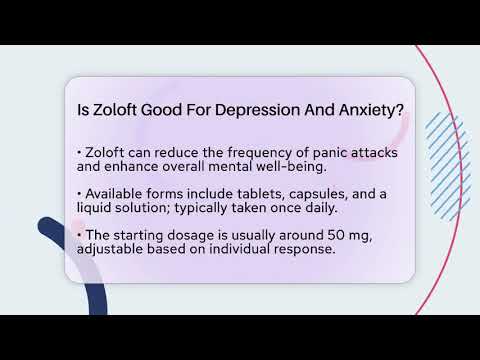
So, you’re curious about sertraline, huh? It’s a common antidepressant, often sold under the brand name Zoloft. People take it mostly for depression and anxiety, but like anything else, there are long-term effects that you should know about.
First off, let’s talk about what sertraline does. Basically, it works by increasing the levels of serotonin in your brain. That’s the “feel-good” neurotransmitter. But while it can help lift your mood over time, there are potential side effects you might encounter along the way.
Long-term use can lead to physical issues. One of those overlooked problems is muscle pain. You might be wondering how that connects to mental health. Well, some people on sertraline report feeling more achy than usual or experiencing muscle tension. This discomfort could ironically affect your mental well-being too. You see, if you’re dealing with chronic pain, that can wear down your mood even further.
Here are some potential long-term effects of taking sertraline:
- Emotional Blunting: Some folks say they feel less empathy or emotional response over time.
- Persistent Side Effects: Sexual dysfunction or weight changes sometimes stick around.
- Withdrawal Symptoms: If you decide to stop taking it suddenly, you may feel dizzy or anxious.
- Cognitive Changes: Some people notice difficulties with memory or concentration after long-term use.
Now picture this: imagine someone named Jess who started taking sertraline 50 mg a few years back for anxiety. At first, she felt like a cloud lifted and she could finally breathe again. But as months turned into years, she started noticing these weird aches in her legs and arms. She thought maybe it was just part of getting older until someone mentioned muscle pain linked to her medication.
It can be tough when something meant to help ends up causing unexpected issues like that! But here’s the kicker: these side effects aren’t universal; everyone reacts differently.
Consulting with a professional is key. If you’re on sertraline and feeling off in ways you didn’t expect—like that muscle pain—it’s important to have an open chat with your doctor or psychiatrist about it. They might adjust your dose or suggest alternative treatments.
It’s important not to ignore these things because they create a ripple effect on both physical and mental health. So keep an eye on how you’re feeling overall while on medication.
In summary? Sertraline can be beneficial but comes with its set of potential long-term effects worth keeping an eye on—especially if you’re noticing any new aches or pains along the journey!
Understanding Muscle Pain: Can Sertraline Cause Discomfort in Your Body?
Muscle pain can be a real bummer. Whether it’s from hitting the gym too hard or just lounging on the couch, no one wants to feel achy. If you’re on sertraline, commonly known as Zoloft, you might start to wonder if it’s contributing to those soreness vibes. Let’s break it down a bit.
Sertraline is an antidepressant that belongs to a class of medications called SSRIs, or selective serotonin reuptake inhibitors. Basically, what these do is boost levels of serotonin in your brain, which can help improve mood and reduce anxiety. But here’s the thing: while it’s doing good stuff for your mental health, it can also lead to some unexpected side effects—like muscle pain.
So why might this happen? Well, it could be related to how your body reacts to changes in serotonin levels. You see, serotonin isn’t just chilling in your brain; it’s also hanging out in your muscles and other tissues. This means that when you mess with serotonin levels through medication, there could be some physical repercussions.
It’s like when my buddy Jake started taking Zoloft for his anxiety. He was feeling better mentally but then noticed he was having these weird cramps in his legs. At first, he thought maybe he was just getting old (he’s not even 30 yet!). But then he chatted with his doctor and found out this kind of thing can happen.
When the balance of chemicals in your body is shifted—like with medication—it can sometimes lead to muscles staying tense instead of relaxing like they should. This tension might result in discomfort or pain over time.
Another aspect worth mentioning is withdrawal symptoms. If you suddenly decide to stop taking sertraline without guidance from a healthcare professional, you might experience various physical symptoms including muscle aches or stiffness.
Most importantly: if you’re dealing with this sort of pain while on sertraline—or any medication really—it’s crucial to talk it over with your doctor. They’ll help figure out what’s going on and whether adjustments need to be made.
Just because someone else had side effects doesn’t mean you’ll have them too. And remember that muscle pain can come from plenty of other sources—stress, posture issues, or even sleep quality!
In summary: yes, sertraline has been linked with muscle discomfort for some folks due to its impact on serotonin levels and muscle tension. If you’re feeling sore and suspect it could tie back to the meds you’re on—don’t hesitate! Chat with your healthcare provider about what you’re experiencing so they can help guide you through the options available for managing any side effects while keeping up that mental health boost!
Exploring the Impact of Sertraline on Memory Function: What You Need to Know
Sertraline, which you might know better as Zoloft, is a popular antidepressant that falls into the SSRI category. SSRIs, or selective serotonin reuptake inhibitors, work by increasing serotonin levels in your brain, which can really help with depression and anxiety. But what about memory function? Let’s dig into that!
Memory issues can sometimes pop up when you’re taking sertraline. The drug can affect cognitive functions in various ways. Some people report feeling a bit foggy or having trouble recalling things. It’s like your mind’s a little hazy from time to time. That said, these effects aren’t the same for everyone.
It’s important to remember two key points!
- Individual Response: Everyone reacts differently to medication. Some folks might experience memory issues, while others don’t notice anything at all.
- Dosage Matters: Higher doses of sertraline could increase the likelihood of experiencing cognitive side effects. So if you’re feeling off mentally, it could be worth talking to your doctor about adjusting your dose.
Now let’s chat about muscle pain. This can be a bit overlooked but it’s super relevant. Those who are on sertraline sometimes report experiencing muscle aches and tension. You might think: “What does this have to do with my head?” Well, muscle pain can contribute to feelings of discomfort that distract you from focusing and remembering stuff effectively.
Let me share a quick anecdote here! I remember chatting with a friend who had been on sertraline for a while. She started noticing that she was more forgetful than usual—like misplacing her keys or struggling to recall details from conversations we had just days prior! After some digging and discussions with her doctor, she found out that her dosage was higher than necessary for her situation.
The cool thing is there are ways to handle these potential side effects! If you’re finding that your memory isn’t quite what it used to be or if muscle pain is bothering you:
- Communication: Keep an open line with your healthcare provider about how you’re feeling.
- Lifestyle Changes: Sometimes simple changes like daily exercise or mindfulness practices can make a big difference.
To wrap it up, while sertraline is effective for many people battling depression and anxiety, it’s good to be aware of how it might impact your memory and overall cognitive function. Your experience may vary widely based on individual factors like dosage and personal mental health history. Always feel free to reach out for help if things feel off—you deserve support on this journey!
You know, when it comes to mental health, we often focus on the big things—like anxiety or depression. But there’s this quieter, sneaky side that doesn’t get as much airtime: how medications, specifically Zoloft, can affect our bodies in ways we don’t always expect.
I remember a friend who started taking Zoloft after struggling with overwhelming anxiety for years. She was finally feeling more like herself—more present and engaged with life again—but then she started noticing this weird muscle pain in her back. Like, she couldn’t figure it out. Was it from stress? Bad posture? Or maybe something else entirely?
Well, here’s the thing—Zoloft can sometimes cause side effects that manifest physically. Muscle pain isn’t always top of mind when you think about depression medication, but it happens. It turns out that some people react to SSRIs (Selective Serotonin Reuptake Inhibitors) in unexpected ways. So the link between your mind and body can be more intertwined than we realize.
It’s interesting how stress and mental struggles can legit show up as physical pain too. When you’re carrying emotional weight and then add a medication meant to help lift that weight off your shoulders, your body might not respond as you’d expect—it can throw some curveballs instead.
And while Zoloft helps so many people tackle their mental battles effectively, it’s essential to pay attention if your body starts sending you messages. If muscle aches creep up on you or if something feels off, talking to a doctor is key! They might suggest tweaking your dose or even exploring different meds altogether.
So next time you’re chatting about mental health or someone mentions muscle pain while dealing with their own emotional struggles, remember this connection! It’s all part of the same puzzle—and being aware of how our minds and bodies interact can help us take better care of ourselves overall.