You know those days when everything feels a bit too much? Like, you wake up and just the thought of getting out of bed makes your chest tight? Yeah, that’s real.
A lot of people go through this. Anxiety and depression can feel like heavy fog that just doesn’t lift. Trust me, you’re not alone in this.
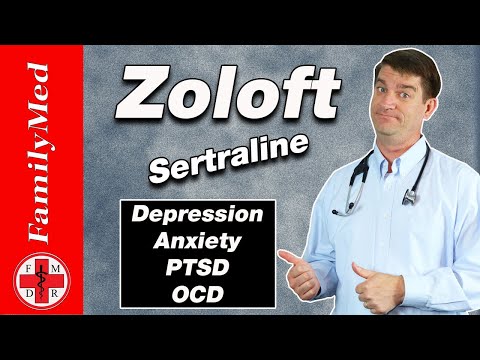
Now, there’s a medication called Zoloft that comes into play here. It’s one of those SSRIs, which basically means it helps balance out some chemicals in your brain. And when it works, oh man, it can really change the game.
But let’s not sugarcoat it; it’s not magic. It takes time, a little trial and error, and honestly—sometimes some patience. So grab your coffee (or tea!), sit back, and let’s chat about what Zoloft can do for anxiety and depression symptoms.
Understanding Zoloft: Can This Antidepressant Cause Heart Palpitations?
Zoloft, or sertraline, is one of those common antidepressants people take for issues like anxiety and depression. It’s part of a class called selective serotonin reuptake inhibitors (SSRIs). They work by increasing serotonin levels in the brain, which helps improve mood. But some folks wonder about potential side effects—especially heart palpitations.
Can Zoloft cause heart palpitations? Well, the answer’s a bit nuanced. For some people, yes, it can trigger palpitations or an increased heart rate. This isn’t super common, but it’s definitely something to be aware of. Heart palpitations are when you feel a fluttering sensation in your chest, or even like your heart is racing unexpectedly.
So why does this happen? The thing is, when you start Zoloft—your body is adjusting to how it affects serotonin and norepinephrine levels. Sometimes that adjustment can lead to some quirky responses from your body, like feeling your heart race now and then.
Here are a few important points to consider:
- Side Effects: Some side effects of Zoloft include anxiety, insomnia, and restlessness. These might contribute to feelings of a racing heartbeat.
- Dosing: Starting on a low dose might help lessen side effects as your body gets used to the medication.
- Tolerance: For many people, these palpitations may ease up as time goes on and you get used to the medication.
- Consult Your Doctor: If you notice persistent palpitations that freak you out or interfere with daily life, it’s really important to chat with your healthcare provider.
Let’s say your friend Anna started Zoloft recently. At first, she experienced heart palpitations that made her anxious about whether she should keep taking it. She felt like she was running laps just sitting on the couch! After talking with her doctor and adjusting her dosage gradually over time, those flutters calmed down.
It’s crucial not to panic if you feel something weird after starting Zoloft or any medication for that matter. Everyone reacts differently! Keeping an open line of communication with your health care provider makes all the difference.
In summary: while Zoloft can cause heart palpitations for some folks—mostly during those early days—it’s not universal. Make sure you’re tuned into how you’re feeling and don’t hesitate to reach out for help if something feels off!
Exploring the Impact of Zoloft on Physical Symptoms of Anxiety: What You Need to Know
So, let’s talk about Zoloft, or sertraline, if you wanna get all medical about it. It’s one of those medications that doctors often prescribe for anxiety and depression. But here’s the thing—not everyone knows how it can help with those pesky physical symptoms of anxiety. You know, like racing heartbeats or sweating. So, let’s break this down a bit.
First off, Zoloft is part of a group of meds called SSRIs—or selective serotonin reuptake inhibitors. Basically, they work by increasing levels of serotonin in your brain. And serotonin? Well, it’s kind of like a feel-good chemical that helps regulate mood. When you’re feeling anxious or down, this serotonin boost can really help calm things down.
Now, what about those physical symptoms? Anxiety isn’t just a mental game; it has some real physical manifestations too. Think about it: maybe you’ve felt those butterflies in your stomach before a big presentation or the tightness in your chest when you’re stressed out. These symptoms can be super uncomfortable and even debilitating sometimes.
Here’s where Zoloft steps in to lend a hand:
- Reduction in Heart Palpitations: Many people experience that heart-racing feeling when anxiety kicks in. Zoloft can help lessen these palpitations over time.
- Lowered Physical Tension: If you often feel like your muscles are tight or tense due to anxiety, Zoloft may help ease that sensation.
- Less Sweating: Excessive sweating is another common symptom associated with anxiety disorders. Users often report less perspiration after starting the medication.
- Improved Sleep: Anxiety can disrupt sleep patterns, leading to fatigue and more physical symptoms during the day. By managing anxiety levels better with Zoloft, sleep quality might improve too.
You might be wondering how soon these effects kick in. Well, patience is key here! While some people notice a difference within the first few weeks, others may take longer—like up to two months—to really feel its full impact on both mental and physical symptoms.
But keep in mind that everyone’s body reacts differently to medications. Some folks find Zoloft works wonders for their anxiety symptoms while others might experience side effects like nausea or fatigue at the beginning—pretty common stuff with many medications! And that’s why it’s super important to keep an open line with your healthcare provider.
Also worth mentioning is that combining therapy with meds often gives the best results. So if you’re diving into Zoloft treatment but haven’t considered therapy yet? Maybe chat about it with your doctor!
In short, Zoloft can be quite beneficial for tackling those annoying physical symptoms tied to anxiety. Just remember to stay patient and give your body time to adjust while keeping an eye on any side effects you’re experiencing along the way!
Discover the Best Time of Day to Take Zoloft for Anxiety Relief
So, you’re curious about the best time of day to take Zoloft, especially for anxiety relief? That makes total sense. Finding the right timing can make a difference in how you feel while on this medication.
Zoloft, or sertraline, is an SSRI (selective serotonin reuptake inhibitor), and it’s mainly used to treat anxiety and depression. It works by increasing the levels of serotonin in your brain, which can help improve mood. But here’s the thing: everyone’s body responds differently to meds. So what might work for one person may not be ideal for another.
Morning or Night? One common question is whether to take it in the morning or at night. A lot of people prefer taking Zoloft in the morning because it can sometimes cause insomnia if taken later in the day. If you’re someone who struggles with sleep issues already, taking it early can help avoid any potential tossing and turning at night.
On the flip side, some folks experience drowsiness as a side effect when they start Zoloft, especially at first. If that’s you, taking it at night could be more beneficial. Whatever you do, though, try to take it around the same time every day. Consistency helps maintain steady levels of medication in your system.
Your Routine Matters Think about your daily routine too. If mornings are chaotic—like kids running around or rushing to get out the door—it might be smarter to pop that pill when things calm down a bit. You want a moment where you can remember to take it without stress impacting your forgetfulness.
Anecdotal Experience Here’s something you’ll find interesting: I once had a friend who was all over the place with her anxiety and was trying different meds. She realized that taking Zoloft first thing in the morning paired with her breakfast actually made a notable improvement throughout her day; she felt more stable by lunchtime! So little adjustments like that really do matter.
That said, you can’t go wrong by chatting with your doctor about this too. They’ll know what suits your specific needs best based on any other meds or health conditions.
In summary:
- Mornings are popular, but listen to your body.
- If you’re prone to drowsiness after taking Zoloft, consider nights.
- Establishing a routine is key.
- Talk with your healthcare provider if you’re unsure!
Overall, just remember—finding what works for you may take some trial and error. Stay patient with yourself during this process; managing anxiety is no small feat!
When you think about anxiety and depression, it’s like this heavy fog that just settles in, making everything feel a bit darker. And for a lot of folks, medications like Zoloft, which is a type of antidepressant called an SSRI, can really shift that whole dynamic.
I remember talking to my friend Sarah not long ago. She was going through this rough patch where everyday tasks felt monumental. Just getting out of bed felt like climbing a mountain. Her doctor suggested Zoloft after they chatted about her symptoms. At first, she was unsure about it—lots of questions swirling in her mind, you know? But she took the plunge anyway.
With time, she noticed changes—like suddenly feeling clearer mentally and lifting some of that grayness hanging around her thoughts. It wasn’t an instant fix; it rarely is with meds like this—but it felt like someone flicked a switch from dim to bright.
Zoloft works by boosting serotonin levels in the brain; serotonin is basically your happiness chemical. More serotonin often means less anxiety and fewer depressive thoughts popping up to ruin your day. However, it’s not magic; people still need therapy and support along the way too.
But there’s something important here—everyone’s experience is so different! What helps one person might not work for another, and that’s totally okay. Some side effects can pop up too—things like stomach issues or fatigue might hit during those first few weeks on the medication.
So while Zoloft definitely has its role in treating symptoms of anxiety and depression, it’s just part of the bigger picture. Meds can’t replace self-care, therapy sessions, or just being there for each other when things get tough.
At the end of the day, it’s about finding what works best for you or someone you care about—and that’s a journey worth taking!