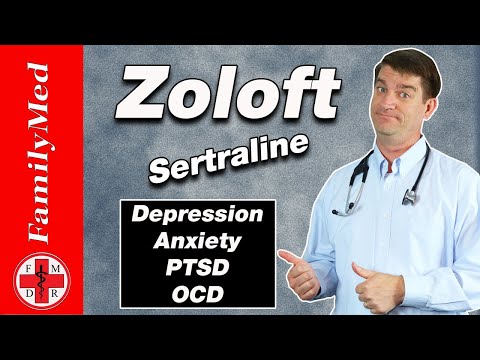
So, you’re thinking about Zoloft? Or maybe you’re already on it? Yeah, it’s a pretty popular antidepressant. Lots of folks swear by it. But here’s the thing: it’s not all sunshine and rainbows.
There are side effects. And they can be, well, a bit of a mixed bag. Some people feel like they’ve got their lives back, while others—well, they don’t have such a great time.
You might be wondering what that means for your mental health, right? What’s the deal with those pesky side effects anyway? Let’s chat about it and see what really goes on when you take Zoloft.
Understanding the Link Between Zoloft and Heart Palpitations: What You Need to Know
So, let’s talk about Zoloft and those pesky heart palpitations. If you’ve ever experienced that fluttery feeling in your chest, you might be wondering if it’s connected to this medication. First off, Zoloft is a type of antidepressant called an SSRI (selective serotonin reuptake inhibitor). It’s often prescribed for conditions like depression, anxiety, and OCD.
Heart palpitations are definitely one of the side effects some people report when taking Zoloft. They can feel like your heart is racing, pounding, or even skipping beats. I remember a friend of mine who started Zoloft after going through some rough times with anxiety. One day, she called me freaking out because her heart was racing like crazy after just a few days on the meds. She thought something serious was wrong! It turned out to be a side effect of the medication.
Now, here’s the thing: while heart palpitations can occur with Zoloft, they’re not super common. But they can definitely happen. It’s important to remember that everyone’s body reacts differently to medications. Some folks might feel totally fine, while others might get these heart flutters.
- The reason this happens isn’t entirely clear but could be linked to how SSRIs affect serotonin levels in the brain.
- Serotonin plays a role not just in mood regulation but also in how your body handles stress and anxiety.
- If you’re already anxious or stressed when starting Zoloft, it might amplify those feelings temporarily—leading to palpitations.
- These palpitations can also stem from other factors like caffeine intake or underlying health conditions.
If you’re experiencing these heart feelings and it worries you—first off, you’re not alone! But you should definitely reach out to your doctor or mental health provider. They can help figure out if what you’re feeling is related to Zoloft or if something else could be going on.
In some cases, doctors may suggest adjusting the dosage or switching meds altogether if the side effects are too bothersome. Maintaining open communication with your healthcare provider is key here; they’re there to support you through finding what works best for you.
Just remember: managing mental health can involve some trial and error with medications, but it’s all part of figuring out what helps you feel your best while minimizing any unwanted side effects along the way!
Exploring the Long-Term Effects of Sertraline on Brain Health: What You Need to Know
So, let’s chat about sertraline, also known as Zoloft. It’s an antidepressant that falls under the selective serotonin reuptake inhibitors (SSRIs) category. You might’ve heard about it if you or someone you know is dealing with depression, anxiety, or even obsessive-compulsive disorder. But what are the long-term effects on brain health that we should be aware of?
First off, sertraline works by increasing serotonin levels in your brain. This neurotransmitter plays a huge role in mood regulation. Over time, that can help reduce feelings of sadness and anxiety for many people. Like, it’s pretty common for folks to feel more balanced after starting treatment.
However, some people experience side effects, especially in the long run. Here are a few things to think about:
- Weight Gain: Many folks report putting on pounds while taking sertraline. This can lead to feelings of low self-esteem or body image issues.
- Emotional Blunting: Some users say they feel like their emotions are dulled or flattened over time. It’s a weird spot to be in—feeling less sad but also less happy.
- Withdrawal Symptoms: If you ever decide to stop taking sertraline, you might face withdrawal symptoms like dizziness or flu-like feelings. It can be tough if you haven’t talked to your doc about how to taper off.
- Impact on Motivation: Sometimes, people notice changes in their motivation levels after long-term use. You might just feel… blah about things you used to enjoy.
Also, there’s this thing called brain fog. A lot of users mention a sort of mental sluggishness or difficulty concentrating after being on sertraline for a while. Imagine trying to think through molasses—that kind of vibe.
Now let me share a brief story. I once knew someone who was on Zoloft for years and loved how it helped their anxiety initially. But over time? They started feeling really disconnected from friends and family because they felt emotionally flat—even during happy moments! It took some time for them to realize that this wasn’t just life happening; it was the meds playing a role.
That said, everyone reacts differently! Some people experience minimal side effects and feel like sertraline saved their life—while others wish they never started it in the first place.
Lastly, safety and efficacy aren’t guaranteed just because something is prescribed; ongoing communication with your healthcare provider is key here. If there’s even a hint that medication isn’t working like it used to—or if those side effects seem overwhelming—don’t hesitate to reach out.
In short—you’ve got options! Just remember that any long-term medication needs careful consideration and regular check-ins with professionals who understand your unique situation.
Understanding Sertraline Side Effects in Women: What You Need to Know
Sertraline, often known by its brand name Zoloft, is an antidepressant that falls under the category of selective serotonin reuptake inhibitors (SSRIs). It’s commonly prescribed for conditions like depression, anxiety, and PTSD. But here’s the thing—just like any medication, it can come with side effects that may affect women differently than men.
First off, let’s look at some of the common side effects. While everyone’s experience can be unique, many women report:
- Weight gain or loss: Changes in appetite can lead to fluctuations in your weight.
- Sexual dysfunction: Many women notice a decrease in libido or difficulty achieving orgasm.
- Nausea and digestive issues: Some might feel queasy or have stomach problems during the first few weeks of treatment.
- Sleep disturbances: Insomnia or vivid dreams are not uncommon when starting sertraline.
- Mood swings: You might feel more emotional than usual; it’s pretty common as your body adjusts.
I remember a friend who started sertraline after battling depression for years. She was thrilled when her doctor suggested it. But then came the side effects. One night she mentioned feeling really low during a dinner party, and it turned out she was struggling with unexpected mood swings. It’s tough because you want help but those side effects can complicate things.
But why do women experience these side effects differently? Hormones play a huge role here. Fluctuations in estrogen and progesterone throughout menstrual cycles can impact how medications work in your body. Think of it like trying to balance on a seesaw; if one end is heavier due to hormonal changes, it affects everything else.
Another interesting point is how dosage and individual reactions matter. Each person metabolizes medication differently based on factors like genetics, age, weight, and even lifestyle habits. So what might be a mild inconvenience for one woman could hit another pretty hard.
If you’re considering or already on sertraline and experiencing these side effects—or any others—you should definitely chat with your healthcare provider about it. They might suggest adjusting your dosage or even trying something different altogether if it’s really affecting your quality of life.
Your well-being is so important! Medication doesn’t have to be a one-size-fits-all approach; it’s crucial to find what works best for you while minimizing those pesky side effects. Ultimately, understanding what you’re dealing with is half the battle!
You know, when it comes to medications like Zoloft, there’s a lot to unpack. It’s one of those antidepressants that many people take when they’re dealing with depression or anxiety. It can really help lift the weight off someone’s shoulders, but sometimes the side effects can feel like a whole different beast.
So, picture this: you start taking Zoloft—your doctor says it might help ease your racing thoughts and dull the endless sadness. After a week or so, you notice some changes. For some folks, it’s like waking up from a bad dream; things feel lighter, colors seem brighter. But then, bam! You might experience stuff like nausea or fatigue. That’s tough because while you’re trying to feel better mentally, your body starts acting up too. You’re stuck wondering if it’s worth it.
What stinks is that these side effects can impact how you think about your mental health journey. Maybe you’ve been looking for relief for months or even years. And when you finally start a medication that works but then find yourself feeling weirdly tired all the time? It can kind of throw a wrench into your progress.
For example, I was talking to a friend who recently started on Zoloft after struggling with anxiety for ages. At first, she was thrilled because her mind wasn’t racing as much anymore; she could actually focus at work! But soon after starting the medication, she felt super tired and sometimes just wanted to crawl under her desk rather than tackle her tasks. She was confused: was the fatigue part of her anxiety? Was it the pill? What if she had to choose between feeling mentally okay and having energy? Those questions can be so hard to sort through.
And let’s not forget about emotional side effects either—like feeling numb or disconnected at times. For someone trying hard to get back in touch with their feelings after being down for so long, feeling emotionally flat is confusing too. It’s like finding out that uncharted territory isn’t just exciting; it’s also kinda scary.
Ultimately, everyone reacts differently with these kinds of meds—you might find relief without hardly any side effects or struggle through a rough patch before things smooth out. The key here is communication; keeping an open dialogue with your doctor can really make all the difference.
It’s important to keep in mind that navigating mental health treatment isn’t always smooth sailing; sometimes it feels more like riding waves in choppy waters. If you’re considering Zoloft or are already on it and dealing with side effects that don’t vibe well with you—talk about it! Your mental well-being is worth figuring out what works best for you without getting lost in all those twists and turns along the way.