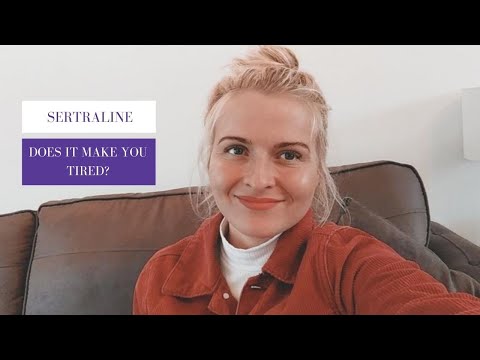
Hey there! So, let’s chat about something a lot of us deal with. You know how sometimes you hit that wall of tiredness? Like, you can’t even keep your eyes open, and it feels like you just ran a marathon in your mind?
Well, if you’re on Zoloft or thinking about it, that tiredness might ring a bell. Seriously, medications can be tricky. One minute you’re hoping for relief from anxiety or depression, and the next, you’re in a slump.
It’s not just about feeling sleepy; it goes deeper. You think you’re handling things okay until the weight of fatigue drags you down. But no worries! We’ll sift through this together, like pals swapping stories over coffee. Let’s navigate this wild ride of mental health challenges and find some clarity!
Understanding Zoloft: Why It Might Be Making You Feel Tired All the Time
Ever found yourself dragging through the day, wondering why you feel constantly tired? If you’re on Zoloft, that could be a big part of the picture. Zoloft, or sertraline, is a medication often used to treat depression and anxiety. While it can work wonders for some, it might also leave you feeling drained.
So, what gives? Here’s the thing: medications like Zoloft affect the brain’s chemistry. They mostly focus on balancing serotonin levels—this is a brain chemical that plays a huge role in mood regulation. But while they can help lift your spirits, side effects are pretty common too.
- Tiredness or Fatigue: One of the more frequent side effects is feeling tired all the time. It’s like your body’s in this hazy cloud where energy just doesn’t want to show up.
- Adjustment Period: When you first start taking Zoloft, your body is trying to get used to this new chemical situation. Sometimes it can take weeks for your system to adapt, and during that time, fatigue might be a constant companion.
- Dosing Issues: The dose matters! If you’re on a higher dose than needed, it could amplify tiredness. It’s not always easy to find that perfect balance right off the bat.
- Interactions with Other Meds: If you’re taking other medications too, they might interact with Zoloft in ways that sap your energy further.
A friend of mine once shared their experience after starting Zoloft. At first, it seemed like things were looking up—they felt less anxious. But within weeks? They felt more like a zombie than anything else! It took some back-and-forth with their doc until they found a comfortable dosage where they could feel good without being in slow motion.
If you’re feeling exhausted and suspect Zoloft might be contributing, don’t hesitate to chat with your healthcare provider. Maybe there’s a dosage adjustment in order or perhaps an alternative medication would suit you better.
The important takeaway here is simple: You’re not alone. Lots of folks experience this side effect when taking antidepressants like Zoloft. So open up about how you’re feeling—because tackling fatigue head-on can lead you back to enjoying life again!
Your mental health journey should feel like progress rather than an uphill battle every step of the way!
Effective Strategies to Overcome Tiredness While Taking Sertraline
So, you’re taking sertraline, also known as Zoloft, and feeling more tired than usual? Yeah, that can happen. It’s a common thing people report when they start this medication. But don’t sweat it—there are some ways you can tackle that fatigue and get back to feeling like yourself.
Understanding the Link Between Sertraline and Tiredness
First things first, it’s important to know why you might be feeling tired. Sertraline is an SSRI, which means it changes the way your brain handles serotonin. This can help lift your mood but might also leave you feeling a bit drained at times. It’s like your brain is adjusting to a new vibe, and sometimes that takes energy.
Stick to a Routine
Creating a consistent daily routine can work wonders. Try to wake up and go to bed at the same time every day. When your body gets into a rhythm, it often feels more energized overall.
Getting into these habits might give you that little boost you need.
Stay Active
Believe it or not, moving your body can really help shake off that tiredness. Exercise releases endorphins, those feel-good hormones that can combat fatigue. You don’t need to hit the gym hard; even a brisk walk around the block can make a difference.
Remember: listen to your body! If you’re feeling too drained one day, take it easy.
Pace Yourself with Tasks
If you’re juggling too much on your plate while on sertraline, cut yourself some slack! It’s okay if everything doesn’t get done in one day.
This might help reduce overwhelming feelings and keep tiredness at bay.
Check Your Diet
What you eat plays a big role in how energized you feel too! Eating balanced meals filled with fruits, veggies, whole grains, and protein can help keep your energy levels steady throughout the day.
Consider how different foods make *you* feel; everyone reacts differently!
Sleep Hygiene Matters
Quality sleep is another crucial piece of this puzzle. You want restful sleep—not just hours spent in bed scrolling on your phone!
Investing in good sleep hygiene pays off when trying to beat fatigue.
Talk to Your Doctor
Now look, if you’ve tried all these strategies and still feel super tired—it may be time for an honest conversation with your healthcare provider. Sometimes medications need tweaking based on how they affect you individually.
That being said—just remember this is all part of finding what works for *you*. Everyone’s journey with sertraline (or any med) looks different!
Sometimes it may take patience—and that’s okay! You’ve got this; let’s just take one step at a time together!
Understanding Zoloft: When Does It Peak for Maximum Effectiveness?
So, let’s chat about Zoloft, shall we? It’s one of those antidepressants that people often use to deal with things like depression and anxiety. You know, it can be a lifesaver for many. But when does it actually kick in for maximum effect? That’s the million-dollar question.
Zoloft, or sertraline, generally takes some time to show its true colors. Most folks start noticing improvements after about 2 to 4 weeks. But peak effectiveness can be a bit tricky. The *thing is,* it can take up to 6 to 8 weeks for you to feel the full benefits. So, if you’re feeling a little impatient at first, just hang in there!
Now let’s break down what happens during those weeks:
- Initial Weeks: In the beginning, your body is getting used to Zoloft. Some side effects like tiredness or nausea might pop up. That’s super common.
- 2-4 Weeks In: You might start feeling slightly better—like your mood is lifting a bit, but you’re not on cloud nine yet.
- 4-6 Weeks: This is when things usually get interesting. Many people report significant changes in their anxiety levels and overall mood.
- 6-8 Weeks: By now, if Zoloft is working for you, it’s often at its peak effect. You’re likely feeling more stable and less overwhelmed by life’s challenges.
One thing I should mention—everybody’s different! Your experience may not line up perfectly with this timeline. Some people hit their peak faster while others might take longer. It’s all about how your body processes the medication.
Now regarding that tiredness thing… Sometimes people feel fatigue when they start taking Zoloft. A friend of mine once shared how she felt kind of like a zombie during that initial phase—hard to concentrate and wanting naps like they were going out of style! She talked with her doctor about it and found strategies to cope.
This fatigue often fades as your body adjusts, but if it’s hanging on too long or feels unbearable, it’s definitely worth mentioning to your healthcare provider.
Remember too that just because Zoloft might be kicking in doesn’t mean you should stop taking it without chatting with someone who knows their stuff first! Stopping suddenly can lead to withdrawal symptoms which are no fun at all.
In summary: Zoloft generally peaks in effectiveness around 6-8 weeks after starting treatment but everyone’s journey is unique! And don’t forget to keep communication open with your doctor as you navigate this process—you’ve got enough on your plate already; don’t go through this alone!
You know, dealing with mental health stuff can be a real rollercoaster. I remember a friend of mine who’d been struggling with anxiety for ages. After trying all sorts of things, she finally got on Zoloft, which is one of those common medications for depression and anxiety. At first, it seemed like a miracle—her mood improved and she felt more like herself again. But then came the tiredness.
It’s kind of wild how medications work differently for everyone, right? With Zoloft, some people might experience fatigue as a side effect. My friend had this overwhelming sense of exhaustion that just wouldn’t quit. She’d wake up feeling like she hadn’t slept at all, even after a full night’s rest. That can be super frustrating because you’re trying to manage your mental health while battling tiredness on top of everything else.
So what’s the deal here? Well, Zoloft affects serotonin levels in your brain, which helps regulate mood but can also mess with your energy levels. It’s like your body is adjusting to this new normal and not really sure how to keep up yet. You feel me?
There’s also the fact that when you’re dealing with anxiety or depression, you often have less energy to begin with. Tossing in some medication that makes you even more tired? Ugh, that’s not easy! My friend had to find ways to balance things out—like adjusting her sleep schedule and being more mindful of her daily activities.
Communication with her doctor became key during this time too. She learned pretty quickly that it was essential to talk about how she was feeling—both mentally and physically—so they could figure out whether it was worth sticking it out or trying something else.
Navigating mental health challenges isn’t always straightforward; it’s full of ups and downs. If there are days when you feel completely wiped out but still want to tackle everything on your list, remember: it’s okay to ask for help or seek advice about managing these side effects.
At the end of the day, taking care of yourself can sometimes feel like a battle between wanting better mental health and the toll medications might take on your body. But finding that balance is totally doable—you just might need some support along the way!