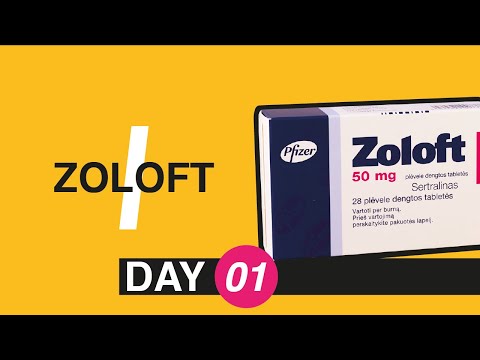
So, you know how some days, you just feel like your brain is a movie theater? Like, all those random scenes flickering by when you close your eyes? Well, for some folks on meds like Zoloft, those dreams can get super vivid.
I mean, one minute you’re flying over mountains, and the next, you’re running from a giant marshmallow—seriously, what even is that?
But here’s the scoop: these wild dreams aren’t just a quirky side effect. They can actually say a lot about how we’re feeling inside. It’s kinda fascinating when you think about it.
Let’s chat about it! What does this all mean for your mental health and for the way we view our sleep?
Exploring the Effects of Zoloft on Dream Vividness: What You Need to Know
Zoloft, or sertraline, is an antidepressant that belongs to the selective serotonin reuptake inhibitors (SSRIs) family. It’s often prescribed for conditions like depression and anxiety. But one interesting side effect some people notice is the potential for more vivid dreams while taking it. You might be thinking, “What’s up with that?” Well, let’s dig a little deeper.
When you start taking Zoloft, it changes the balance of serotonin in your brain. Serotonin is a chemical that plays a major role in regulating mood, but it also influences sleep and dreams. This shift can lead to changes in how you experience your dreams.
Here are some key points to consider:
- Increased Dream Vividness: Many people report that their dreams become more colorful and intense after starting Zoloft. It’s not uncommon to wake up feeling like you just experienced something truly real.
- REM Sleep: Zoloft may affect the REM (Rapid Eye Movement) stage of sleep when most dreaming occurs. Some studies suggest that SSRIs can alter the amount of time spent in this phase.
- Lucid Dreams: Some folks even say they have lucid dreams—where they are aware they’re dreaming and can control what happens—which can be intriguing but sometimes unsettling.
- Nightmares: On the flip side, while some get vivid daydreams, others may experience nightmares or more disturbing content. If this becomes too much, it’s worth chatting with your doctor.
It’s important to remember that everyone reacts differently to medications like Zoloft. For example, my friend Maya started taking it for her anxiety and mentioned how her dreams turned into epic stories filled with adventure! But then there was a week when she had recurring nightmares about losing her job—a pretty common anxiety trigger for many people.
If you’re concerned about these dream changes or anything else while on Zoloft, definitely reach out to your healthcare provider. They can help explain what’s going on and make adjustments if needed.
Also, dosing matters. Sometimes when folks increase or decrease their dosage of Zoloft, it affects vividness too! If you’re fluctuating between doses or even combining it with other meds, this could also contribute to changes in dream patterns.
And lastly, don’t forget about lifestyle factors! Things like stress levels or sleep habits can also influence your dreaming experience—regardless of medication.
Ultimately, understanding how Zoloft interacts with your dream life isn’t just about quirky nighttime adventures; it’s important for overall mental health awareness. If those dreams start affecting your mood during the day or impact your sleep quality negatively? Definitely talk about it with a professional. After all, our minds create some wild stories at night—and it’s good to check in on how those narratives connect with our waking hours!
Understanding Zoloft: How It Affects Brain Chemistry and Mental Health
When you hear about Zoloft, or sertraline as it’s known in the science world, it’s mainly because it’s one of the most commonly prescribed medications for things like depression and anxiety. But how does it really work? Let’s break it down.
Zoloft is classified as a selective serotonin reuptake inhibitor (SSRI). Okay, that sounds like a mouthful, but stick with me. Basically, this means that Zoloft helps keep serotonin—often called the “feel-good” neurotransmitter—available in your brain for a longer time. If your serotonin levels are low, you might feel sad, anxious, or just plain off. So, by blocking its reabsorption in the brain, Zoloft gives those happy vibes a better chance to do their thing.
Now, you might wonder about side effects. One interesting one that people often report is having vivid dreams while they’re on Zoloft. Imagine waking up after dreaming so clearly that you can remember every detail! For some folks, these dreams can be kind of intense or even unsettling. It’s as if your brain is processing everything on overdrive while you’re asleep.
So why does this happen? Well, when Zoloft alters serotonin levels, it can also influence your REM sleep. That’s the stage when most dreaming occurs. While your mind is busy sorting through emotions and experiences during REM sleep—which may be more active than usual—it can lead to those lifelike dreams I mentioned earlier.
Some people find these dreams fascinating and insightful; others might feel anxious about them. It’s pretty subjective! This brings us to another key point: mental health isn’t just about medication; it’s also about how those meds interact with each person uniquely.
Here are some other things to keep in mind with Zoloft:
- Time: It usually takes several weeks before people notice significant changes in mood.
- Dosage: Everyone’s dose might differ based on individual needs; what works for one person may not work for another.
- Tapering Off: If someone decides to stop taking Zoloft, it’s important to taper off gradually under a healthcare provider’s guidance to avoid withdrawal symptoms.
It might sound like I’m going on and on, but here’s the deal: medication can be super helpful when managed properly. Many people find relief from their symptoms with SSRIs like Zoloft and can live happier lives. It could help them engage more fully with friends and family or simply enjoy little moments without that heavy cloud hanging over them.
However—and this part is crucial—it’s always best to have open conversations with healthcare providers about any side effects you experience or any concerns you have. The interaction between medications like Zoloft and our bodies is complex! So yeah…having a partner in care makes all the difference.
In summary: Zoloft works by balancing serotonin levels and may lead to vivid dreams due to its effect on REM sleep. Understanding how your body processes medications can unravel so much about what you’re feeling mentally—you follow me?
Understanding the Success Rate of Zoloft for Anxiety: What You Need to Know
So, you’re curious about Zoloft and how it plays into anxiety treatment? That’s totally understandable. Mental health meds can be pretty confusing sometimes, and Zoloft, which is actually the brand name for sertraline, is one of the more commonly prescribed medications for anxiety. It’s good to know what you’re getting into.
Success Rate: When it comes to anxiety, research shows that Zoloft can really help a lot of people. Estimates suggest that about 60-75% of folks who take it experience significant improvements in their anxiety symptoms. But it’s important to remember that everyone responds differently. Your best friend might feel great after just a few weeks, while someone else might not notice much change at all.
Now let’s talk a bit about how Zoloft works. It’s an SSRI, or selective serotonin reuptake inhibitor. Basically, this means it helps increase levels of serotonin in your brain—a chemical that helps regulate mood. More serotonin can lead to reduced anxiety and improved mood over time.
But here’s the thing: while many see improvements within a few weeks, others might need several months to feel the full effects. Patience is key here! Like my buddy Jake—he took Zoloft for his anxiety and started feeling better after about eight weeks. Before that, though? He was skeptical and anxious about taking medication in general.
Another aspect to consider is adverse effects. While some people deal with side effects like nausea or dry mouth initially, most find these decrease over time. Vivid dreams are also worth mentioning—Zoloft can sometimes cause unusual dream experiences. This isn’t super common but definitely something folks have reported.
Often when starting meds like Zoloft, your doctor will recommend regular check-ins to see how things are going. It’s crucial! They might adjust your dosage or switch you to another medication if need be. Open communication is key—you don’t want to suffer through side effects without letting your provider know what’s happening.
Some people even combine Zoloft with therapy—like cognitive-behavioral therapy (CBT). This combo often leads to better outcomes because medication helps stabilize mood while therapy gives you tools to manage thoughts and feelings more effectively.
In summary:
- Zoloft shows a success rate of 60-75% for anxiety symptoms.
- It works by boosting serotonin levels in the brain.
- Improvements can take from weeks up to several months.
- Side effects like nausea or vivid dreams may occur but often fade.
- Regular follow-up with healthcare providers is essential.
- Combining medication with therapy often improves results.
Overall, Zoloft can be a solid option for many facing anxiety challenges—just keep in mind that everyone’s journey is unique! If you’re considering it or already on it, stay open with your doctor about how you’re feeling and trust the process as it unfolds.
So, you know, Zoloft is one of those antidepressants that a lot of folks take to help with things like depression and anxiety. It’s a selective serotonin reuptake inhibitor (SSRIs). Sounds all fancy and technical, right? Basically, it works to boost the level of serotonin in your brain, which can make you feel more balanced and, well, like yourself again.
But here’s the kicker: some people notice that when they’re on Zoloft, their dreams can get super vivid. Like, we’re talking movies playing in your head at night. I remember my friend Sarah telling me about how she felt like she was living an entire life in her dreams—some were sweet adventures while others felt really intense or even scary. It was like her brain was on a rollercoaster ride every night!
What happens is that the medication interacts with your sleep cycle. Zoloft can affect REM sleep—the part of the sleep cycle where most dreaming happens. So if you’re experiencing these wild dreams, it might be linked to how your body is adjusting to the meds. It’s not exactly uncommon; those vivid dreams can feel so real that sometimes they stick with you all day long.
For some people, though? Those dreams can be unsettling or even exhausting. It’s kind of a mixed bag. This is where communication with your doctor comes into play. If you’re feeling overwhelmed by your nighttime adventures or, let’s say nightmares—I mean, who wants to wake up feeling stressed?—it’s worth bringing it up.
Mental health isn’t just about finding the right meds; it’s also about understanding how they impact every part of you—even down to what goes on in your head while you’re snoozing. Getting comfy with this whole journey is important because mental health doesn’t look the same for everyone.
So yeah, if you’re someone who’s having these intense dream experiences while on Zoloft or any other medication, remember it’s okay to talk about it! Sharing those nocturnal escapades could open up conversations about adjusting dosages or even exploring different treatments if needed. Your wellbeing matters—both day and night!