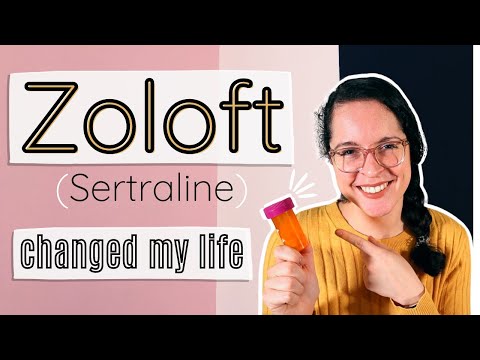
So, you know how sometimes people just spill their guts on Reddit? Well, I stumbled upon this thread about Zoloft, and wow, the stories are real.
People shared their journeys with this med, and honestly, it’s like a rollercoaster. Some found relief from anxiety or depression, while others talked about side effects that were no joke.
It’s super interesting because everyone has their own vibe and experience. You might read a success story that gives you hope or a cautionary tale that makes you think twice.
But what’s the deal? How does Zoloft really affect folks over time? Let’s dig into those shared insights and see what we can learn together!
Exploring the Long-Term Effects of Zoloft: What You Need to Know About This Common Antidepressant
Zoloft, or sertraline as it’s known in the scientific world, is a pretty popular antidepressant. So, what’s the deal with its long-term effects? Let’s chat about this.
First off, Zoloft is primarily used for depression but also helps with anxiety disorders, OCD, and PTSD. It works by balancing certain chemicals in your brain that affect mood. That said, understanding how it interacts with your body over time is key.
One of the common long-term effects people report is changes in weight. Some gain weight while others lose it. It tends to depend on the individual and how their body reacts to the medication. You know how our bodies can be unpredictable? Well, weight fluctuations can be pretty frustrating.
Another thing to consider is emotional numbing. Some individuals feel a bit less intense emotions after taking Zoloft for a long time. This isn’t always bad—sometimes it helps you not dwell on negativity—but some people miss feeling those highs and lows of life. It’s like having dessert but not tasting it.
Sexual side effects are also discussed quite a bit on forums like Reddit. Many users mention things like decreased libido or difficulty achieving orgasm after being on Zoloft for an extended period. That’s super personal stuff, right? But knowing about potential side effects can help you make informed decisions about your treatment.
Now let’s talk about withdrawal symptoms if someone decides to stop taking Zoloft after long-term use. Some folks experience what’s commonly called “discontinuation syndrome.” This includes flu-like symptoms, dizziness, and even some emotional distress as their body adjusts back to functioning without the medication. It’s definitely something worth keeping in mind if you ever think about quitting.
Also, there might be some risk of developing tolerance over time. This means that you might need higher doses to feel the same effect eventually—a bit concerning if you ask me! Plus, not everyone’s going to experience this; it’s really hit or miss based on the person.
Finally, did you know that some research suggests a possible link between long-term use of SSRIs like Zoloft and increased risk of certain conditions? For example, there are discussions around whether prolonged use could affect bone health or increase bleeding risks in older adults.
So there you have it—long-term effects of Zoloft vary widely from person to person and can bring both benefits and drawbacks into play. If you’re considering starting this medication or have been on it for a while, talking things over with a healthcare professional can give you tailored advice that takes your unique situation into account!
Remember: You’re not alone in this journey! Many people share their experiences online which can offer support—and sometimes even help clarify what’s normal or concerning when dealing with medications like Zoloft.
Understanding Zoloft: How Long Does It Take for Your Brain to Recover?
Zoloft, which is also known as sertraline, is a commonly prescribed medication for depression and anxiety. It falls under the category of selective serotonin reuptake inhibitors (SSRIs), meaning it helps increase levels of serotonin in the brain. This can make a big difference in how you feel emotionally over time.
When someone starts taking Zoloft, one of the first questions that pop up is: How long will it take for my brain to recover? Well, here’s the thing—everybody’s journey with medication is kinda unique. But generally speaking, it usually takes about **4 to 6 weeks** before you start feeling any noticeable effects.
- First few weeks: In those early days, you might not feel much change at all. Some people even experience side effects like nausea or fatigue. That’s totally normal and can be frustrating.
- 1 month in: After about a month, many folks start noticing improvements in their mood and anxiety levels. It’s like someone turned up the brightness on your emotional spectrum!
- 3 months later: By three months in, Zoloft has usually made its full impact. A lot of people report feeling more balanced and stable by this point.
But don’t get too caught up on that timeline. It’s important to keep in touch with your doctor during this whole process because they know your situation best.
Now let’s talk about what «recovery» really means here. For some people, it’s all about feeling less anxious or being able to engage more with life again. Maybe you remember a moment when talking to friends felt heavy or overwhelming? After starting Zoloft, those conversations may become easier and more enjoyable over time.
It’s also worth noting that if you decide to stop taking Zoloft—which should always be discussed with your healthcare provider—you may experience some withdrawal symptoms like dizziness or irritability as your brain readjusts without the medication. It might take another few weeks for everything to settle back down.
Ultimately, it’s a marathon—not a sprint! You might find stories online (like those on Reddit) from others who have shared their experiences with Zoloft; some may have taken longer than others to feel fully «recovered.» That’s just part of the human experience with mental health meds: things can vary widely from person to person.
In short, while **Zoloft** can be incredibly helpful, patience is key as your brain navigates this adjustment period. Keeping an open line of communication with your doctor makes a world of difference during these times!
Understanding the Effects: What to Expect When Zoloft Begins to Work
Zoloft, or sertraline, is a medication that’s often prescribed for anxiety and depression. When you start taking it, you might be curious about what to expect as it starts to work. So let’s break it down.
First off, it’s important to know that Zoloft doesn’t usually kick in right away. For most people, it can take about one to two weeks before you notice any changes in your mood or anxiety levels. During this time, you might feel a little off—like an emotional rollercoaster, if you will. It’s no picnic!
Now, here are some key things to expect as Zoloft begins to take effect:
Let’s talk about an example here. A friend of mine started on Zoloft last year. Initially, she felt pretty weird—nothing too severe but just different, like her body was adjusting gears; some days she struggled with feeling nauseous after taking her dose. But after about three weeks? That cloud hanging over her head slowly began lifting! She described it like stepping into the sunlight after being stuck in darkness forever.
But hey, not everyone has the same experience! Some folks might feel side effects for longer periods or not feel much change until even later on—like after six to eight weeks.
Another thing worth noting is that while Zoloft can help with those pesky symptoms of anxiety and depression, it doesn’t solve everything by itself. Therapy often plays a huge role alongside medication; talking things through can provide extra support that helps make the whole process smoother.
So remember that patience is key when you’re starting Zoloft. You’ve got this! And always keep the communication lines open with your doctor; they’re there for you through this journey.
In summary: Expect an adjustment period where things could feel shaky at first but gradually improve over time as your body gets used to Zoloft’s effects. It can make a real difference—it just takes time sometimes!
You know, it’s interesting how people share their experiences with medications like Zoloft on platforms like Reddit. I stumbled upon a thread the other day, and wow, the variety of insights really caught my attention. Some folks talked about how it changed their lives for the better, while others had a different story to tell.
One guy mentioned he felt like a new person after a few months. He was battling depression, and it seemed like Zoloft helped lift that heavy fog. He described suddenly finding joy in things he used to love—like hiking and cooking. You could really feel the relief in his words. Honestly, moments like that make you think about how powerful these medications can be for some people.
But then you have others who had side effects that were way less pleasant. Someone shared how they felt numb and disconnected from their emotions; it was as if they were watching life happen around them rather than participating in it. It’s fascinating to see how different our bodies can respond to the same medication.
And let’s not forget those who had a rollercoaster ride with their dosage adjustments! One user spoke about feeling fine at first but then experiencing rapid mood swings after they increased their dose. It makes you wonder about the fine line between feeling “better” and feeling “off.” This real-life commentary emphasizes that mental health is super complex—what works for one might not work for another.
In all honesty, the most striking part of reading these stories is just how raw and honest everyone is willing to be in sharing their journeys. It’s real talk about something deeply personal, which is so refreshing. There’s this sense of community there; even when experiences differ widely, people support each other through their ups and downs. It reminds me that while medication can be effective, navigating mental health is often more than just finding the right pill—it’s about finding your own unique path through some pretty tough stuff.
So yeah, diving into those discussions made me feel more connected to this whole topic of mental health treatment. It’s nice knowing you’re not alone in what you’re feeling or experiencing; there are tons of people out there going through similar things—each with their own story to tell!