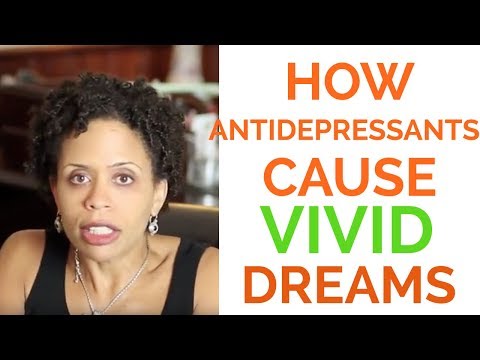
So, let’s chat about Zoloft. You know, that little pill folks take for anxiety and depression?
It’s pretty popular, but here’s something you might not know—it can mess with your dreams. Like, really vivid ones.
Ever woken up from a dream and thought, “Whoa, what was that all about?” Well, if you’re on Zoloft, you might be waking up quite a bit surprised!
Let’s dig into how this medication can lead to those colorful dreamscapes. Buckle up; it’s going to be an interesting ride!
Understanding the Connection Between Zoloft and Unusual Dreams: What You Need to Know
Zoloft, or sertraline as the pros call it, is a medication often prescribed for anxiety and depression. But one thing that comes up a lot with folks taking Zoloft is this idea of weird or vivid dreams. You might be wondering why that happens, right? Well, it’s all about how the medication affects your brain’s chemistry and sleep patterns.
So, what’s the deal with dreams? When you take Zoloft, it boosts serotonin levels in your brain. Serotonin is a chemical that really helps regulate your mood, but it also plays a role in your sleep cycle. It’s like a switch that can change how deeply you sleep and even impact what goes on in your head while you’re snoozing.
- The Sleep Cycle: Sleep isn’t just one long ride; it’s made up of different stages. Zoloft tends to influence REM (Rapid Eye Movement) sleep, which is when most dreaming happens.
- Vivid Dreams: With adjustments to serotonin levels and REM sleep, some people notice their dreams become more vivid or even bizarre.
- If You’re Stressed: Stress or anxiety can also amp up dream intensity. If you’re dealing with heavy stuff during the day—like work pressures or personal challenges—that stress can seep into your dreams too.
Here’s something personal: let’s say you’ve been stressed at work and then start taking Zoloft. Suddenly, you find yourself dreaming about being chased by giant monsters or swimming in rivers of chocolate! Those intense dreams might feel super real—it can be jarring.
Now, not everyone taking Zoloft experiences these unusual dreams. It really varies from person to person. Some might just notice they remember their dreams more vividly than before; others might have strange nightmares.
So what should you do if this happens? First off—don’t panic! Most of the time, these dreams aren’t harmful; they’re just part of adjusting to the medication. Still, if they become really bothersome or disturbing, it’s totally okay to talk about it with your doctor or therapist.
They might suggest some strategies to help reduce the intensity of those dreams or even adjust your dosage if needed. Communication is key!
In short, there’s definitely a connection between Zoloft and those wild dreamscapes some people experience. It all boils down to how this medication interacts with brain chemicals and alters sleep patterns—your unique mental health journey affects this too!
Effective Strategies to Reduce Vivid Dreams and Improve Sleep Quality
So, vivid dreams can be a trip, right? Sometimes you wake up thinking you just lived an entire movie, and it can be exhausting. If you’re dealing with vivid dreams while on Zoloft or other medications, finding ways to improve your sleep quality is super important. Here’s the lowdown on some effective strategies to help you get that better sleep and maybe tone down those crazy dreams.
1. Keep a Sleep Schedule
Going to bed and waking up around the same time every day can work wonders. It’s all about setting your body’s internal clock. When you’re consistent, it makes falling asleep easier and could help with those vivid night-time adventures.
2. Create a Relaxing Bedtime Routine
Seriously, winding down is key! Think about activities like reading a book, listening to soft music, or even some light stretching before hitting the sack. Whatever feels calming helps signal your brain that it’s time to chill out.
3. Optimize Your Sleep Environment
Look around your bedroom—do you have comfy pillows? Is it too bright or noisy? A dark, quiet room at a comfy temperature can make a huge difference in how well you sleep. You want it cozy enough to just melt into your bed!
4. Limit Stimulants Before Bed
Try cutting down on caffeine and nicotine in the hours leading up to bedtime. These guys can keep you wired when all you want is some restful sleep. And hey, don’t forget about screens—those blue lights from phones and computers can mess with your melatonin production.
5. Practice Mindfulness or Relaxation Techniques
Meditation or deep-breathing exercises can really ground you before bedtime. Just taking a few minutes to focus on your breath helps reduce stress and probably gives those wild dreams less fuel.
6. Talk About Your Medication with Your Doctor
If Zoloft is giving you these vivid dreams that feel intense or disruptive, definitely reach out to your healthcare provider! They might suggest adjustments or alternatives that could lead to a more restful night for you.
And remember this: while vivid dreams might seem fun sometimes, if they’re leaving you feeling drained in the morning or affecting your daily life, it’s not cool. Seriously, don’t hesitate to seek help if that’s the case!
You know what? Sleep is super important for both mental health and overall well-being—so taking steps towards better sleep could also mean fewer of those wild dream experiences!
Understanding Trauma Dreams: What They Are and How They Affect Mental Health
Trauma dreams can feel really intense, and they can hit hard when you’re not expecting them. Basically, these dreams are like a replay of painful or frightening experiences you’ve been through. They often feature vivid imagery and emotional distress that can wake you up feeling anxious or scared.
So, what exactly are trauma dreams? Well, they often occur after someone has experienced a traumatic event—like an accident, abuse, or even the loss of a loved one. When the mind processes these experiences during sleep, it sometimes brings those memories back in the form of unsettling dreams. You might find yourself reliving the event or facing some exaggerated version of it.
Now, let’s talk about how these nightmares affect your mental health. Trauma dreams can contribute to various issues like anxiety, depression, and even post-traumatic stress disorder (PTSD). If these dreams keep cropping up night after night, they can throw off your sleep schedule and leave you feeling exhausted during the day. That fatigue? It makes everything harder—work, relationships, just getting through life’s daily grind.
A lot of people don’t realize that medications like Zoloft could play a role in this whole scenario. Zoloft is an antidepressant that’s often prescribed for depression and anxiety disorders. One side effect some users report is vivid dreaming—sometimes even nightmares! It might seem strange how a medication meant to help could also mess with your sleep like that. But what happens is Zoloft works on brain chemicals that regulate mood and emotion; this can stir up your subconscious feelings while you sleep.
So here’s where it gets interesting: if you’re taking Zoloft and suddenly having these wild dreams tied to past trauma, it’s not just a coincidence—but rather a product of how your brain is responding to both the medication and unresolved feelings from your past.
It’s important to understand that dealing with trauma dreams isn’t just about avoiding bad sleep—it’s about finding ways to manage that emotional baggage too. Some people turn to therapy as a way to work through their experiences; cognitive behavioral therapy (CBT) is popular for helping folks reframe thoughts associated with trauma. Others might find discussing their dreams helpful in group settings where sharing experiences helps normalize what they’re feeling.
If you’re experiencing recurring trauma dreams—or even if you’re just feeling overwhelmed by life—talking it out with someone who gets it can be really beneficial. You deserve peace at night, so make sure to explore what options resonate with you!
So, Zoloft, huh? It’s one of those common antidepressants that a lot of people take. You might know it better as sertraline. It helps with conditions like depression and anxiety by balancing out the chemicals in your brain. But like everything, there are little quirks that come along with it—like vivid dreams.
Those dreams can be pretty intense. A friend of mine started taking Zoloft a while back, and she told me that before the meds, her dreams were kind of dull. But once she started on Zoloft, her nights turned into this wild ride through her imagination. She described one dream where she was flying over a sparkling ocean—colors everywhere! But then there were nights when she felt haunted by strange figures lurking in shadows.
So what gives with these supercharged dreams? Well, the thing is, many people report changes in their sleep when they take antidepressants. It’s kind of like a double-edged sword: on one hand, Zoloft can help you feel better during the day; on the other hand, it might make your subconscious throw a party at night. Some experts think this vivid dreaming happens because Zoloft affects sleep cycles, especially REM sleep—the stage where most dreaming occurs.
But while those dreamy adventures can be fascinating or even entertaining sometimes, they can also feel overwhelming if they’re too intense or disruptive. Imagine waking up feeling more exhausted than when you went to bed because your brain just wouldn’t chill out for a second!
It’s important to keep talking to your doctor if you’re having crazy dreams or any other side effects that don’t sit right with you while on Zoloft. They’ll help figure out what’s best for you—whether it’s adjusting your dose or maybe trying something different altogether.
So yeah, mental health is complex, and medications like Zoloft can have these unexpected twists and turns in our lives—even in our sleep! Being aware of how it all connects is crucial for getting the best support possible.