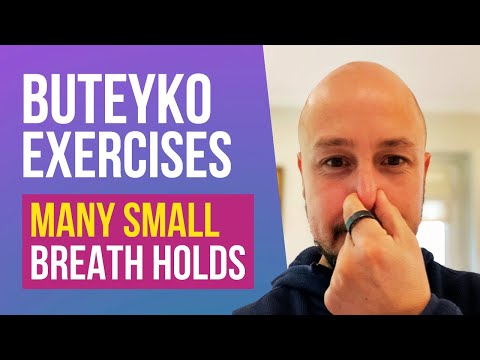
So, let’s talk about breathing. Yeah, I know it sounds super basic, but hear me out. What if I told you that how you breathe could actually change your mental game?
You’ve been stressed, right? Maybe overwhelmed with work or life stuff. It happens to the best of us. And sometimes, all it takes is a little tweak in how we breathe to feel a bit more grounded.
That’s where this thing called Buteyko Breathing comes in. It’s not some weird fad or anything—just a simple method that might help your mind chill out a bit.
Curious? I thought so! Let’s see how this whole breathing thing can boost your mood and clear your headspace, okay?
Mastering the Buteyko Breathing Technique: A Comprehensive PDF Guide for Better Mental Health
Buteyko Breathing is a technique that’s been getting some attention lately. It’s mostly known for how it helps with asthma, but some folks have found it can also work wonders for mental health. You know, when you take a moment to breathe deeply, it seems like everything calms down a bit? That’s kind of the idea behind Buteyko.
So here’s the deal: the technique was developed by a Ukrainian doctor named Konstantin Buteyko in the 1950s. He believed that many common health issues were linked to over-breathing or hyperventilation. Basically, we tend to breathe more than we need which can mess with our carbon dioxide levels and lead to all sorts of problems, including stress and anxiety.
When you practice this breathing method, you focus on nasal breathing and try to slow things down. It can be super helpful if you’re feeling overwhelmed or anxious because it helps your body relax and get back on track.
Now let’s break down some of the basics of mastering this technique:
- Nasal Breathing: Always breathe in and out through your nose instead of your mouth. This is important because it filters the air better and helps control your breath.
- Slightly Reduced Breathing: Instead of taking deep breaths, aim for smaller, shallower breaths. The goal is to reduce how much air you’re getting in, just slightly. It’s like finding that sweet spot where you’re breathing enough but not too much.
- Focus on Relaxation: When you’re practicing, pay attention to how your body feels. Make sure you’re not tensing up; keep everything relaxed.
Here’s something personal: I remember going through a tough time when anxiety hit me outta nowhere. Just feeling ordinary stress from daily life turned into something more overwhelming. One day I stumbled across Buteyko breathing while looking for ways to chill out. I gave it a shot, focusing on my breaths and trying to stay calm—it helped! Seriously! It felt like someone flipped a switch; I could actually feel my heart rate slow down.
When you practice regularly—like even just five minutes a day—you might notice changes in your mood and overall mental wellness over time. It’s like training a muscle; at first it’s tough, but eventually it gets easier.
Remember though: while Buteyko can be beneficial for many people dealing with anxiety or stress, it’s not a replacement for professional help if that’s what you need. If you’re struggling seriously, chatting with someone trained in mental health can really make a difference too.
In summary, Buteyko Breathing might offer an interesting approach if you’re looking for ways to manage stress or anxiety naturally. Give yourself time to practice and don’t be too hard on yourself if it doesn’t click right away; it’s all about finding what works best for **you**!
Unlocking Calm: Discover the Surprising Benefits of Buteyko Breathing for Mental Health
Buteyko breathing has been catching some attention lately, and for good reason. It’s not just about physical health; it can actually do wonders for your mental well-being too. Seriously! It’s like finding a hidden gem in your backyard that you never knew existed.
Okay, so what is Buteyko breathing? Well, it’s a technique that involves slow, controlled breaths—mostly done through the nose. The main idea is to help you breathe less deeply and more efficiently. This practice was developed by a Russian doctor named Konstantin Buteyko back in the 1950s. He believed that many of our problems, both physical and mental, arise from over-breathing or hyperventilation.
So how does this relate to your mental health? Glad you asked! Here are some surprising benefits of Buteyko breathing:
1. Reduces Anxiety: When you’re feeling anxious, your breath tends to speed up and become shallow. This can create a vicious cycle of more anxiety. But with Buteyko breathing, you learn to slow things down and breathe deeply but gently. It can really help calm those racing thoughts.
2. Enhances Focus: Have you ever noticed how hard it is to concentrate when you’re stressed? When you’re using the Buteyko method, you’re actually training your body to get more oxygen into your bloodstream without overdoing it. This improves circulation and helps clear the mind.
3. Supports Better Sleep: A lot of us struggle with sleep issues because our minds just won’t shut off at night. Controlled breathing techniques can help quiet that mental chatter and make it easier for you to drift off peacefully.
4. Emotional Regulation: Sometimes emotions feel overwhelming—you know those days when everything seems like too much? Practicing Buteyko might give you tools to manage those feelings better. Slow breathing helps lower cortisol levels (that stress hormone) which can lead to a more even-keel emotional state.
Now let me share a quick story here: Picture a friend who struggled with anxiety before big presentations at work. She felt her heart race and her palms sweat just thinking about it! She started practicing Buteyko breathing before her meetings—just taking five minutes in a quiet corner made all the difference! She felt calmer and more centered during her presentations; even her boss noticed she seemed steadier under pressure!
That’s what this technique can do for real people in everyday situations—it gives your mind room to breathe literally!
Of course, like any method out there, it might not be everyone’s cup of tea, but if you’re looking for something simple yet effective for managing stress or anxiety, giving this a shot could be worth a try! Just remember: it’s all about consistency—you won’t feel the effects overnight.
In summary, Buteyko breathing isn’t just about better oxygen flow; it’s about bringing awareness back into how we breathe on the day-to-day basis and how that impacts our overall mental state—and hey isn’t that something we could all use a bit more of?
Exploring the Side Effects of Buteyko Breathing: What You Need to Know
Exploring Buteyko Breathing is pretty interesting, especially when we think about its effects on mental wellbeing. This breathing technique focuses on reducing hyperventilation and restoring proper breathing rhythms. But, like anything else, it’s got its ups and downs—aka side effects.
So, first off, what exactly is Buteyko Breathing? It’s a method developed by Dr. Konstantin Buteyko in the 1950s. Basically, it’s all about taking shallow breaths through your nose rather than deep breaths that fill up your lungs. The idea is that this can help with conditions like asthma or anxiety by improving oxygen delivery and lowering carbon dioxide levels in the blood.
Now let’s get into those side effects you need to know about:
- Dizziness: Some people report feeling dizzy when they first start practicing Buteyko Breathing. This can happen because the body is adjusting to new breathing patterns and changes in oxygen and carbon dioxide levels.
- Anxiety or Discomfort: Believe it or not, some folks might actually feel more anxious at first. It can be strange to change how you breathe, especially if you’ve been used to deep breaths for your entire life.
- Increased Mucus Production: When you switch from mouth breathing to nasal breathing, your body might react by producing more mucus. This can be a bit annoying for some until they adapt.
- Fatigue or Tiredness: If you’re not getting enough oxygen at first due to altered breathing patterns, you might feel more tired than usual as your body adjusts.
- Headaches: Changes in carbon dioxide levels can lead to headaches as well. It’s kind of like your brain saying, “Hey! What’s going on here?”
When I tried this myself a while back? I got super dizzy after my first session! And my initial thought was to bail out right away. But after sticking with it for a few weeks? It started feeling more natural! Seriously though just keep an eye on how you’re feeling as you practice.
It’s also important to know that everyone reacts differently. What works like a charm for one person might not do much for another—or could even cause discomfort! So keeping communication open with someone who knows about these techniques can really help.
Lastly—before jumping headfirst into Buteyko Breathing—think about consulting with a healthcare provider if you have any underlying health issues or are unsure how this might affect you.
In short? While there are potential side effects worth noting when trying out Buteyko Breathing, many people find their mental wellbeing improves over time as they adjust. Just remember: listen to your body as you explore this technique!
You know, breathing is something we all do without thinking, like all day long. But when it comes to mental wellbeing, the way we breathe can actually make a difference. That’s where this Buteyko breathing technique comes in. It’s named after a dude named Konstantin Buteyko, a Russian doctor who figured out some interesting stuff about how we breathe and our overall health.
So, let’s break it down a bit. The thing is, most of us are pretty much shallow breathers. We take quick little gasps, especially when we’re stressed or anxious. This can lead to all sorts of issues, from feeling anxious to having trouble concentrating. Buteyko breathing encourages you to slow down your breath and take deeper, more controlled inhales and exhales. This can help calm your nervous system and boost your mood.
I remember talking to a friend who’d been struggling with anxiety for years. She was always on edge, constantly worrying about everything from work deadlines to whether she’d left the hair straightener on at home (classic). Then she tried this Buteyko stuff after hearing about it online; seemed odd at first! She said it felt weird and awkward but slowly started noticing she was feeling less anxious over time.
It’s not just about calming those racing thoughts; it’s about retraining your body to breathe properly. I mean, when you take deeper breaths through your nose instead of your mouth or just letting that air flow out slowly? It kind of feels like turning down the chaos inside your head so you can think clearer.
So if you’re looking for something new to try in the mental wellness arena? Maybe give Buteyko breathing a shot! It might be one of those simple things that makes a bigger impact than you’d expect. Plus, hey—it doesn’t hurt to put in some effort into how you breathe!