Hey! So, have you ever felt like your mind is racing a mile a minute? Like, one second you’re thinking about that awkward thing you said last week, and the next, you’re worrying about that email you haven’t sent? Seriously, it can be exhausting!
This blog provides content for informational, educational, and reflective purposes only. The information published here does not constitute medical, psychological, or psychiatric advice, and it does not replace the evaluation, diagnosis, treatment, or individualized guidance of a properly licensed professional. If you believe you may be experiencing a psychological or health-related issue, consult a qualified professional as soon as possible before making important decisions about your well-being. Do not self-medicate or start, stop, or change medications, therapies, or treatments on your own. While we aim to provide useful and accurate information, we do not guarantee that it is complete, current, or suitable for every situation. Your use of this content is at your own risk, and reading it does not create a professional, clinical, or therapeutic relationship with the author or this website.
Well, grounding exercises might just be your new best friend. They’re super simple tools to help pull you back to the present moment when your thoughts start going haywire. You know how it feels when you’re just… there? It’s a game changer.
I remember this one time I was totally spiraling before an important meeting. I used some grounding techniques and, wow, it really helped me chill out. So let’s chat about how these exercises can help boost your mental wellbeing. Sound good?
Mastering the 5-4-3-2-1 Grounding Technique: A Simple Tool to Alleviate Anxiety
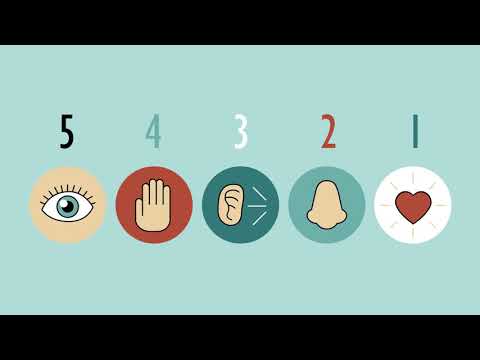
Grounding techniques are like your mental anchor when anxiety starts to rock the boat. One of the most popular methods is the 5-4-3-2-1 grounding technique. It’s super simple and really effective. Basically, it helps you reconnect with the present moment when things feel overwhelming.
Here’s how it goes: you focus on your senses in a specific order. It might sound a bit weird at first, but trust me, it can be really helpful. When you start feeling anxious, take a moment and get grounded.
First up, find 5 things you can see. Look around! Maybe there’s a plant on your desk or even a picture on the wall. Notice colors and shapes. The aim is to pull your attention away from whatever’s causing that anxiety.
Next, touch 4 things you can feel. This could be the texture of your shirt, the smooth surface of your desk, or even your own hands resting in your lap. Just get into that physical sensation for a moment.
Then, listen for 3 things you can hear. Maybe there’s music playing faintly in the background or even just the sound of traffic outside. You might even notice your own breathing if you pay attention closely enough!
Now focus on 2 things you can smell. If there are no distinct smells around you right now (which happens sometimes), think of two scents that bring good memories — maybe fresh coffee or cookies baking?
Finally, engage with 1 thing you can taste. This could be that lingering flavor from lunch or just water if you’ve been sipping on it. If nothing’s in your mouth right now, try to imagine something sweet or tangy—whatever makes you happy!
I remember this one time when I felt really anxious before an important meeting. My mind was racing with all these “what ifs.” So I took a quick break and did my 5-4-3-2-1 grounding exercise in my head. By focusing on my surroundings instead of spiraling into panic mode, I felt much calmer and ready to tackle whatever came next.
This technique doesn’t require any special tools or skills—just you and your senses working together! It can be done anywhere: at home, work, or even when you’re out running errands.
So basically, whenever anxiety creeps in like an uninvited guest at a party, remember this grounding exercise. It’s not about eliminating anxiety altogether but finding ways to manage it better so you’re more in control again!
10 Effective Strategies to Cultivate a Grounded Mindset for Better Mental Health
When life gets a bit too chaotic, feeling grounded can be a real lifesaver. You know that sensation when your mind is racing and you’re just trying to catch your breath? That’s where grounding exercises come in. They’re a way to anchor yourself back into the present moment. Here are some strategies to help cultivate that grounded mindset for better mental health.
- Focus on Your Breath: Seriously, breathing is key. When you take slow, deep breaths, it sends a signal to your brain that it’s time to chill out. Try inhaling deeply for four counts, holding it for four counts, and exhaling for four counts. Do this a few times and feel the difference.
- Engage Your Senses: This one’s pretty powerful! Look around and name five things you can see, four things you can touch, three things you can hear, two things you can smell, and one thing you can taste. It helps pull you back into the now like nothing else.
- Physical Movement: Sometimes just getting up and moving can help clear your head. Whether it’s a brisk walk or some stretches at home, movement gets those endorphins flowing and helps ground you in your body.
- Create a Routine: Having a daily schedule gives structure to your life. Even simple morning or evening rituals like making coffee or reading for 10 minutes makes everything feel more stable.
- Meditation: You might think meditation is all about sitting in silence for hours, but really it’s about finding those pockets of peace whenever you need them. Start small with two or three minutes of mindfulness every day—just focus on your breath or the sensations in your body.
- Connect with Nature: Seriously, nature is healing! Even if it’s just sitting outside for 10 minutes or tending to some plants at home, being outdoors can bring fresh perspective and calm vibes.
- Limit Screen Time: The digital world can be overwhelming sometimes. Set aside specific times when you unplug from devices and connect with yourself instead—maybe read a book or doodle something!
- Acknowledge Your Emotions: It’s okay to feel whatever you’re feeling! Write down what you’re experiencing without judgment; sometimes putting pen to paper is all it takes to start processing those emotions.
- Seek Support: You don’t have to go through this alone! Talking with friends or family about what you’re feeling (or even chatting with a professional if that’s comfortable) often lightens the load significantly.
- Create an ‘In Case of Emergency’ Plan: If stress hits hard, have a list of quick grounding techniques handy—like listening to your favorite songs or splashing water on your face—to help pull yourself out of that spiral.
The thing is cultivating that grounded mindset takes time and practice—it won’t magically happen overnight. Like I said earlier, feeling overwhelmed happens to everyone at some point; it’s part of being human! Just remember that these strategies are tools in your toolkit; use ‘em when needed!
Exploring the Connection: Does Grounding Therapy Reduce Cortisol Levels?
So, let’s chat about grounding therapy and its potential connection to cortisol levels. You know, the body’s stress hormone? Yeah, that one. When life gets overwhelming—like when you’ve got a million things to do and no time to breathe—our bodies ramp up cortisol production. It’s a natural response, but high levels over time can lead to some pretty gnarly issues like anxiety, weight gain, and even sleep problems.
**Grounding therapy** is all about helping you get back in touch with the present moment. It uses various techniques to anchor you when your mind starts racing or when you’re feeling anxious. Those techniques often include things like deep breathing, visualization, or even physical actions like touching the ground or focusing on your senses. You follow me?
Here are some key points about grounding therapy and cortisol:
So picture this: imagine you’ve had an exhausting day at work. You’re stressed out about deadlines and personal stuff too. You decide to take a five-minute break outside—just standing on the grass and really feeling it under your feet. The coolness of the earth grounds you in reality; it pulls you away from that frantic mental chatter for a bit. By focusing on something as simple as what you feel underfoot or the sound of birds chirping nearby, you’re signaling your body that it’s okay to relax a bit.
Now let’s talk cortisol levels specifically—while grounding exercises don’t automatically «zap» cortisol away like some magic spell, they create an environment in which stress can begin to ease up a bit more naturally over time.
However, let’s be real: If someone has chronic stress or anxiety issues going on, relying solely on grounding techniques may not be enough—you know? It could definitely be part of a bigger toolkit alongside other therapies or medication if needed.
In summary, grounding is definitely worth exploring if you’re looking for ways to manage stress better! While it might not directly lower cortisol immediately for everyone—it can definitely help pave the way for more peace of mind in this chaotic world we live in!
You know those moments when your thoughts start racing, and you feel like you’re losing track of everything around you? It can be such a whirlwind. I remember a time I was sitting in a coffee shop, trying to focus on work, but my mind kept jumping from one worry to another. The barista’s chatter turned into a storm, and my coffee suddenly tasted like anxiety instead of caffeine. That’s when I realized I needed something to anchor myself.
Grounding exercises can really help with this kind of thing. Basically, they’re simple techniques that bring your focus back to the present moment. Like, instead of spiraling into all the chaos in your head, you engage with what’s happening right here and now. You follow me? It’s like planting your feet firmly on the ground and reminding yourself that you’re safe.
There are tons of ways to ground yourself—some people use their senses. You can start by focusing on what you see; look around and name five things that catch your eye. Maybe it’s a colorful painting or the way light dances through the windows. Then there’s touch—feel the texture of whatever’s near you or even hold onto something comforting, like a smooth stone or your favorite sweater. Smells can do wonders too—you might take a deep breath and notice how fresh coffee brings back warm memories or how lavender calms your nerves.
One grounding technique that always makes me feel better is the “5-4-3-2-1” method. It’s a little mantra where you identify five things you see, then four things you can touch, three that you hear, two that you smell (or want to smell), and one thing you can taste right now. Sounds simple, but it pulls me out of my head in an instant.
The wild thing is these exercises aren’t just about distraction—they’re about reconnecting with yourself. They create this space where you’re gently reminded that feelings are temporary and manageable. Seriously though, sometimes it feels like life is just too much—but breathing for a moment and grounding myself reminds me I’m not just floating aimlessly; I’m here.
So next time everything feels overwhelming—like when deadlines loom or social situations feel heavy—try grounding yourself for a bit. You might find those small moments really help lift some weight off your shoulders. Just remember—it’s okay to take a breather sometimes!