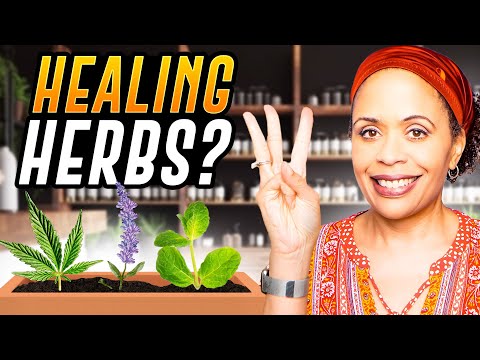
Hey there! So, let’s chat about something we all kinda deal with—our moods. You know, some days you’re all sunshine and rainbows, and other days? Well, let’s just say it’s a bit more gray.
That rollercoaster can be a real pain, right? It’s like your emotions are playing hide and seek. But here’s the thing: there are some cool homeopathic alternatives out there that might just help smooth out those bumps.
I mean, who doesn’t want to feel a little more balanced? So yeah, stick around as we explore some options together. You might find something that clicks for you!
Exploring Natural Alternatives to Mood Stabilizers for Better Mental Health
Mood stabilizers are typically used to help manage conditions like bipolar disorder and depression. They work by leveling out mood swings, which can be really helpful for many people. But not everyone feels comfortable with medication or wants to rely on it long-term. That’s where natural alternatives come into play.
First off, there are some herbal supplements that folks often turn to. For instance, St. John’s Wort is famous for its mood-boosting properties, especially in mild to moderate depression. But, you gotta be careful! It can interact with other medications, so always check with a healthcare provider before jumping in.
Then there’s Omega-3 fatty acids. You find them in fish oil and flaxseed oil. Studies suggest that they might help reduce symptoms of depression and stabilize your mood. If you’re not a fish lover, you could consider supplements or even walnuts and chia seeds—easy snacks that pack a punch!
Another thing that can be crucial is maintaining a healthy diet. Eating lots of fruits, vegetables, whole grains, and lean proteins can play a big role in how you feel emotionally. There’s this old saying: “You are what you eat.” Seriously though! A balanced diet has been linked to better mental health outcomes.
Let’s talk about exercise next because it’s a game changer for many people. Regular physical activity releases endorphins—those feel-good hormones—that can help keep your mood steady over time. Whether it’s running or just walking around the block, moving your body does wonders for your mental state.
Don’t forget about mindfulness practices, either! Things like yoga and meditation can help calm the mind and reduce anxiety levels significantly. You might find that just taking a few minutes each day for deep breathing helps clear your head and keep things more balanced.
Lastly, building a strong support system is invaluable too! Friends and family who understand what you’re going through can provide comfort and stability when things get tough. It’s like having your own cheer squad cheering you on when you’re feeling low.
So yeah, while traditional mood stabilizers have their place, exploring these natural alternatives might lead you down an interesting path to better mental health! Just remember: it’s super important to consult with someone who knows their stuff before making any significant changes to how you manage your mood—you know?
Top Natural Remedies and Strategies to Stabilize Your Mood Effectively
Mood swings can be really tough to deal with. One moment you’re up, feeling like you could conquer the world, and the next, it’s like a heavy cloud just settled over you. Sometimes, natural remedies can help in stabilizing your mood, even while you’re navigating life’s ups and downs.
Dietary Changes play a huge role in how we feel. Food isn’t just fuel; it can impact our brain chemistry. Try incorporating more Omega-3 fatty acids, which are found in fish like salmon and walnuts. They’ve been linked to better mood regulation. Seriously, if you can’t stand fish, maybe give flaxseeds or chia seeds a shot instead.
Then there’s exercise. Ever heard of the “runner’s high”? It’s legit! Exercise releases endorphins—those little feel-good chemicals that boost your mood. You don’t have to run a marathon; even brisk walking or dancing around your living room works wonders. Just get moving however you can!
Another point to consider is herbal supplements. Things like St. John’s Wort have been used for ages to help with mild depression and anxiety. It’s important to talk with someone who knows their stuff before diving into any supplements though—some things don’t mix well with other medications.
Speaking of talking, mindfulness and meditation are out there helping people find their calm amidst chaos. You don’t need any fancy apps or classes to start; just take a few moments each day to sit quietly and focus on your breath. Seriously, even five minutes can shift your mindset.
Additionally, connecting with others is key for mood stabilization. A chat with a friend might just provide that lift you need when things feel heavy. Social support is essential—sometimes sharing your feelings makes all the difference.
Let’s also touch on sufficient sleep. Sleep affects everything from concentration to emotional balance! If you’re not getting enough shut-eye, it’ll be tough to keep those mood swings at bay. Try establishing a bedtime routine that signals your body it’s time to wind down.
Lastly, don’t overlook a consistent routine. Humans thrive on structure! It helps set expectations for our day-to-day lives and provides stability when everything seems chaotic.
In wrapping up this thought swirl about natural remedies for mood stabilization: remember that while these strategies can help support better mental health, they aren’t substitutes for professional treatment when that’s needed. Sometimes we might need more support than what natural methods can offer alone—and there’s no shame in that!
Effective Strategies to Overcome Mood Instability and Enhance Emotional Well-Being
Mood instability can really throw you for a loop, right? One moment you’re feeling on top of the world, and the next, it’s like a storm just rolled in. But don’t worry! There are ways to help manage those ups and downs effectively. You know how it is; life can be a roller coaster sometimes.
Understanding Mood Instability
First off, mood instability isn’t just about being moody or having bad days. It can stem from various reasons like stress, hormonal changes, or even underlying mental health conditions. The thing is, acknowledging that you feel this way is the first step toward making things better.
Homeopathic Alternatives
Now, homeopathy is not everyone’s cup of tea, but some folks swear by it for boosting mood stability. Homeopathic remedies often focus on treating the whole person rather than just specific symptoms. Here are some common homeopathic options:
- Ignatia Amara: This one’s often used for people dealing with emotional stress or grief. Imagine feeling heavy-hearted after a loss; this remedy might help lighten that load.
- Natrum Muriaticum: If you’re the type who tends to bottle up your feelings, this could be worth considering. It’s often recommended for those who feel isolated or misunderstood.
- Arsenicum Album: Anxiety can be a major player in mood swings. This remedy might help if your anxiety keeps you on edge and leads to emotional fluctuations.
Of course, it’s best to chat with a practitioner before diving into homeopathy.
Lifestyle Changes
Sometimes simple lifestyle tweaks can work wonders for your mood! Ever notice how getting out for a walk or talking with a friend lifts your spirits? That’s not by accident! Regular exercise releases endorphins—those feel-good hormones.
- Physical Activity: Aim for at least 30 minutes of moderate exercise most days a week. Find what feels right; whether it’s jogging, dancing around your living room—or even brisk walking!
- Nourishing Foods: Eating well can also boost your mood significantly! Think about including more fruits and veggies in your meals—kind of like giving yourself an edible hug.
- Sufficient Sleep: Never underestimate the power of good ol’ sleep! Poor sleep patterns can mess with your emotions big time. Establishing a calming nighttime routine might help you catch those Z’s more consistently.
Mental Health Practices
Sometimes we need little tools to help navigate our feelings better:
- Meditation and Mindfulness: These practices center you and help quiet that racing mind. Just take some time to focus on your breath; it can be super grounding!
- Therapy: Talking things out with someone trained in mental well-being isn’t only helpful but pretty darn effective too! Therapists have techniques that guide you through understanding and managing emotional shifts.
- The Power of Journaling: Writing down how you feel helps clarify thoughts and emotions—like turning chaos into order.
This isn’t an exhaustive list by any means; there’s so many things out there!
Pacing Yourself
Lastly, cut yourself some slack. Recognizing that mood instability is part of being human will go along way in helping you be kinder to yourself when things get tough.
Overcoming mood instability isn’t always easy—sometimes it takes time and experimenting with different strategies until something clicks for you. Remember: you’re definitely not alone in this journey! It’s all about finding what resonates personally and sticking with it until you’ve found that sweet spot of emotional well-being.
You know, when it comes to mood stability, the search for alternatives can feel a bit overwhelming. There are so many options out there! Homeopathy is one of those paths that some folks explore. You might be wondering what that even means, right? Well, homeopathy is all about natural remedies that aim to help your body heal itself. It’s like saying “like cures like.” So if something makes you feel worse in large amounts, a tiny bit of it might actually help you feel better.
I once knew someone who struggled to keep their mood balanced—a friend from college, let’s call her Sara. She’d have these ups and downs that were pretty hard to watch sometimes. After trying what felt like every medication under the sun, she decided to give homeopathy a shot. Honestly? I was skeptical at first—but seeing her dive into this world opened my eyes a bit.
Homeopathy isn’t just a magic pill you pop; it’s more of an individualized journey. Sara started consulting with a professional who would ask about not only her symptoms but also her personality traits and emotional responses. That holistic approach made sense! They recommended remedies like St. John’s Wort and chamomile, which are often associated with mood stabilization.
The thing about homeopathy is it doesn’t work for everyone—just like any treatment really. Some people swear by it while others don’t notice much change at all. I mean, we’re all wired differently; our bodies react in unique ways.
But you know, when Sara took those remedies consistently along with lifestyle changes—like yoga and meditation—she felt more centered over time. It was as if she found a rhythm that worked for her. And hey, maybe that’s what matters most: finding your groove.
So yeah, while homeopathic options exist for enhancing mood stability, there’s no one-size-fits-all answer here. If you’re curious about this route or think it might help you or someone you know, talking to someone familiar with homeopathy could provide some clarity. Just remember: whatever journey you choose in the realm of mental health should always feel right for you!