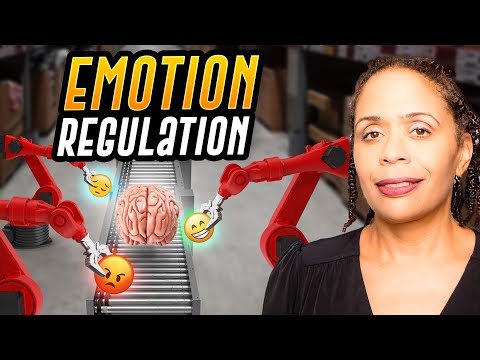
You know those days when your emotions feel like a rollercoaster? One minute you’re on top of the world, and the next, you’re deep in a pit of despair? That’s what we call emotional dysregulation.
This blog provides content for informational, educational, and reflective purposes only. The information published here does not constitute medical, psychological, or psychiatric advice, and it does not replace the evaluation, diagnosis, treatment, or individualized guidance of a properly licensed professional. If you believe you may be experiencing a psychological or health-related issue, consult a qualified professional as soon as possible before making important decisions about your well-being. Do not self-medicate or start, stop, or change medications, therapies, or treatments on your own. While we aim to provide useful and accurate information, we do not guarantee that it is complete, current, or suitable for every situation. Your use of this content is at your own risk, and reading it does not create a professional, clinical, or therapeutic relationship with the author or this website.
It’s like trying to drive a car with no steering wheel. You just end up swerving all over the place. And honestly, that can feel pretty exhausting.
A lot of people deal with this, and it can be tough. Like missing deadlines or snapping at loved ones over little things. But the thing is, it doesn’t have to be that way if we understand what’s going on.
Let’s talk about why this happens and how it affects mental health. It’s real, it’s messy, and trust me—you’re not alone in this struggle.
Understanding Emotional Dysregulation: Causes, Effects, and Effective Coping Strategies
Emotional dysregulation is basically when your emotions get out of control. You know those moments when you feel like you’re on a rollercoaster ride, sometimes soaring high and other times crashing down? That’s what it can feel like. This struggle affects people differently. Some may lash out in anger, while others might just shut down and go silent.
Causes of Emotional Dysregulation can be varied and complex. One major factor is often rooted in past experiences, especially traumatic ones. Picture this: a child who grew up in a chaotic environment might not learn how to handle strong feelings properly. Instead of developing healthy coping skills, they might react impulsively later in life.
Another cause could be linked to conditions like ADHD or borderline personality disorder (BPD). For instance, if you have BPD, you might experience intense emotions that shift quickly, leaving you feeling confused and overwhelmed. This shifting can make it tough to maintain relationships since others may not understand where you’re coming from.
Effects of Emotional Dysregulation can really ripple through your life. You could see challenges in friendships or at work because your reactions to stress can lead to misunderstandings. It’s like trying to communicate underwater—everything feels distorted. People around you might think you’re overreacting or being too sensitive when really, it’s just your emotions taking the wheel.
Also, there’s an impact on mental health; anxiety and depression often come hand-in-hand with emotional dysregulation. Think about it: if you’re consistently feeling overwhelmed by your own feelings, it’s going to mess with how you view yourself and the world.
Now that we’ve touched on causes and effects, let’s jump into effective coping strategies. Learning to manage these intense emotions is key.
- Mindfulness: This is all about being present in the moment without judgment. It helps create space between emotion and action.
- Grounding techniques: These are super helpful when emotions start spiraling out of control. Simple things like deep breathing or focusing on physical sensations can bring you back down.
- Cognitive-behavioral therapy (CBT): Working with a therapist using CBT helps change negative thought patterns that contribute to emotional outbursts.
- D journaling: Writing down your feelings can give them less power over you and help clarify what’s really going on inside.
- Seeking support: Sometimes chatting with friends or joining support groups can provide perspective and reduce isolation.
Imagine this: Sarah has been struggling with her feelings for years—every time she gets stressed at work she blows up at her colleagues, causing tension all around her. After realizing that her reactions were driven more by past traumas than the present situation itself, she starts practicing mindfulness daily. Slowly but surely, she becomes more aware of her emotional rise before it peaks; now she takes a step back instead of reacting immediately.
So whatever struggles you’re facing with emotional regulation—just know you’re not alone! And remember: it’s totally possible to learn how to ride those emotional waves instead of letting them drown you!
Understanding Emotional Dysregulation: Take the Test to Identify Your Emotional Response Style
Emotional dysregulation is one of those things that many people experience, but it’s not always easy to recognize. It’s when you struggle to manage your emotional responses in a way that feels balanced or healthy. You might feel extreme emotions, like anger or sadness, over relatively small triggers. That can be really tough for you and those around you. It’s kind of like riding a roller coaster without the seatbelt—unpredictable and a little scary!
So, what does it look like? Well, it can show up in several ways:
- Intense Reactions: Maybe you find yourself crying for hours over a comment someone made. Or perhaps you lash out when someone asks how your day was.
- Difficulty Calming Down: Once you’re upset, it might take you way longer than usual to cool off. Sometimes even hours or days!
- Over-reacting or Under-reacting: You may blow things out of proportion or barely react when something bad happens.
- Swings Between Emotions: One moment you’re ecstatic, and the next you’re feeling crushed by sadness—all within a short time.
You’re not alone in this; many people experience emotional dysregulation, especially if they’ve faced trauma or have conditions like borderline personality disorder (BPD) or ADHD. It’s all about how we process our feelings.
Now, if you’re curious about your own emotional response style—like, are you more likely to explode with anger or shut down completely?—you might consider taking an emotional assessment test. These tests can help pinpoint your personal response style and give insights into how well (or poorly) you manage your feelings.
Just keep in mind that these tests aren’t definitive diagnoses; they’re more like mirrors reflecting back at your tendencies.
- Self-Awareness: The first step is realizing how you respond emotionally in different situations.
- Coping Strategies: Once you know what drives your reactions, you can work on healthier coping mechanisms.
- Seeking Help: A therapist can help guide you through understanding and regulating your emotions better.
For example, maybe one day at work someone critiques your project. Instead of just rolling with it, maybe the critique sends you into a spiral where you’re convinced you’ll never get it right again—or on the flip side, maybe it doesn’t register at all because you’re used to pushing emotions away.
Identifying these patterns is crucial for building healthier emotional habits. Try reflecting on situations where you’ve felt intense emotions and see if there are common themes there.
Understanding emotional dysregulation isn’t just about recognizing problems; it’s also about discovering pathways toward change and growth. So don’t hesitate to reach out for help if this resonates with you—it’s seriously one of the best things you can do for yourself!
Master Emotional Regulation: Download Essential Techniques in Our Free PDF Guide
Emotional regulation can feel like a roller coaster sometimes, right? You know, one moment you’re fine and the next, BAM! You’re hit with a wave of feelings that feels totally overwhelming. So, let’s chat about what emotional regulation is and why it matters so much to your mental health.
First off, emotional regulation is all about managing your emotions. It’s figuring out how to respond to what you’re feeling instead of just flipping out or shutting down. This skill is crucial for maintaining mental well-being. When you struggle with it, like through anxiety or depression, those feelings can feel totally chaotic.
Now, dysfunctional emotional regulation means that those skills aren’t working as they should. Maybe you’re quick to anger over little things or find yourself crying at the drop of a hat. This can be exhausting and lead to problems in relationships too.
So what are some key struggles here? Let’s break it down:
For example, think about a time when you missed an important deadline at work and felt panic rising inside you. You might’ve lashed out at a coworker just because they asked if you were okay! Or maybe you went home and just sulked in your room without talking to anybody for days. Those reactions can really mess with how we relate to others.
Why does this happen? Well, our past experiences shape how we manage our emotions now. If someone grew up in a household where expressing feelings was frowned upon, they might instinctively suppress their emotions as adults—kind of like hitting the mute button on their feelings.
Learning to regulate your emotions better involves stepping back for a second and recognizing what’s happening within you—almost like being an observer of your own life. It sounds simple but can be super challenging in practice!
You might hear about techniques that help with this kind of stuff—like mindfulness or deep breathing exercises. These methods can ground you when those big waves of emotion start crashing over you.
Taking small steps each day to practice these skills is key. Seriously! Over time, these techniques will become more natural and help build resilience against emotional upheaval.
Remember: mastering emotional regulation doesn’t mean never feeling bad—it means learning how to ride the waves without getting swept away by them! So yeah, keep working on finding what works for you because it’s all about growth and understanding yourself better!
You know, emotional regulation is one of those things we don’t often think about until it becomes a real issue. I mean, we all have our ups and downs, right? But for some people, the way they handle emotions can get pretty tangled up. It’s like trying to untie a huge knot in a piece of string—frustrating and sometimes impossible.
When you aren’t managing your emotions well, everything feels amplified. A small annoyance can transform into full-blown rage or sadness. I remember my friend Sarah; she used to explode over the tiniest things. One time, she lost her favorite pen and ended up crying for hours as if the world was ending. Looking back, it was heartbreaking to see her struggle so much with something that seemed trivial to me but felt monumental to her.
Dysfunctional emotional regulation can lead you down a tough path. It’s not just about feeling things too intensely; it can create barriers in your relationships and even affect your daily life. If you’re constantly overwhelmed by emotions like anxiety or anger, it’s hard to focus on work or connect with friends. You find yourself isolating more because you’re scared of what might come out if you let your guard down.
And hey, then there’s the impact on mental health conditions like depression or anxiety disorders. If you’re already dealing with those issues, poor emotional regulation can make everything feel more hopeless. It’s like a vicious cycle—you feel bad because you’ve exploded at someone again or shut down when you should have spoken up, which leads to more negative feelings.
The thing is, this isn’t just about willpower or being lazy; there’s often a real psychological backdrop—maybe past traumas or learned behaviors from childhood that make emotional responses feel uncontrollable.
So what’s the takeaway here? Learning how to regulate emotions better might take time and effort—like getting the hang of a new sport—but it’s totally worth it for personal growth and healthier relationships. You might even start feeling lighter once you tackle those old habits!