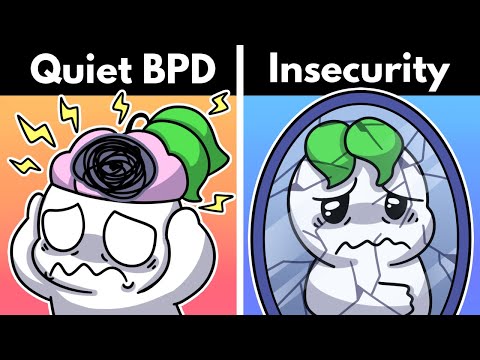
So, let’s talk about something that doesn’t get enough attention: Quiet Borderline Personality Disorder, or Quiet BPD for short.
You might be wondering what the heck that even means. Well, it’s a little different from what most people think of when they hear “BPD.” Instead of the wild ups and downs, it’s more like… silent struggles, you know?
Imagine feeling intense emotions but keeping them all inside. That’s where the tricky part comes in. It’s like being in a crowded room but still feeling totally alone.
A lot of folks dealing with this are quieter, more reserved. They may seem fine on the outside while battling their own storms inside. It can be really tough to navigate these symptoms and find help that actually fits.
Like, maybe you’ve felt misunderstood or frustrated by traditional ways of looking at mental health issues. But don’t worry; we’re going to break this down together and chat about real treatments and options that can make things easier.
Effective Strategies for Treating Quiet Borderline Personality Disorder (BPD)
You know, dealing with Quiet Borderline Personality Disorder (BPD) can be pretty challenging, especially since it’s not as visible as other forms of BPD. When you think of traditional BPD symptoms, you might picture intense emotional outbursts or relationship chaos. But with **Quiet BPD**, things are different. The symptoms can be more subdued, but just as painful.
So, let’s dig into some effective strategies for treatment and management that can help.
1. Therapy is Key
Talk therapy really plays a huge role here. **Dialectical Behavior Therapy (DBT)** is often recommended because it helps with emotion regulation and interpersonal effectiveness. You’ll learn skills to manage your feelings without resorting to self-sabotage or avoidance. For someone who feels their emotions deeply but struggles to express them, DBT can be like a toolkit you never knew you needed.
2. Mindfulness Practices
Mindfulness techniques can also be incredibly beneficial. They help you stay present and observe your thoughts without getting overwhelmed by them. Imagine sitting quietly, focusing on your breath when those heavy feelings hit; it’s about creating a space between that feeling and your reaction.
3. Medication as an Option
While there’s no specific medication for Quiet BPD itself, some people find relief from associated symptoms like anxiety or depression through medications such as SSRIs or mood stabilizers. It’s worth chatting with a healthcare provider if you’re considering this route.
4. Build Your Support System
Isolation is a real trap for anyone dealing with mental health issues, especially with Quiet BPD where emotions can fester in silence. Surround yourself with supportive friends or family who understand what you’re going through—and don’t underestimate the power of support groups! Hearing others share their experiences might help you feel less alone.
5. Journaling
Writing can be therapeutic in its own right; it gives you a chance to express what you’re feeling inside without worrying about judgment or communication barriers—kinda like talking to a friend who won’t interrupt! You could write about your day-to-day feelings or reflect on moments when emotions felt overwhelming.
6. Self-Compassion Practices
This is super important, yet often overlooked! Learning to treat yourself kindly even when things get tough is crucial for anyone managing mental health issues but especially helpful in Quiet BPD where self-criticism might kick in hard when you’re struggling.
All these strategies aren’t one-size-fits-all solutions, of course; they’re more like options on the menu at your favorite diner—you pick what works best for you!
So yeah, living with **Quiet BPD** means navigating silent struggles while striving toward healing and understanding yourself better—and that’s no small feat! The road may seem long and winding sometimes, but each step taken toward self-acceptance and care makes a difference in the end.
Understanding the Trauma Behind Quiet Borderline Personality Disorder (BPD)
Borderline Personality Disorder (BPD) can be pretty confusing, especially when you look at the quieter version of it, often called “Quiet BPD.” Basically, while people with BPD might typically show intense emotions and impulsive behaviors, those with Quiet BPD might seem more withdrawn or subdued. They may feel a lot of pain inside but express it in less obvious ways. This doesn’t mean they’re not struggling; it’s just that their symptoms can be harder to spot.
When we talk about the **trauma behind Quiet BPD**, it’s essential to understand that many people with this disorder have experienced some form of trauma in their lives. This could be anything from childhood abuse or neglect to emotional invalidation. You know how sometimes you might feel like your feelings just aren’t recognized? That’s what many folks with Quiet BPD have faced throughout their lives.
Here are a few key points about the trauma linked to Quiet BPD:
- Emotional Neglect: People with Quiet BPD often grew up feeling unheard or invisible. Maybe their parents were overly critical or emotionally absent. They learned early on that expressing feelings could lead to rejection.
- Traumatic Experiences: This includes things like bullying, loss of a loved one, or even sudden changes in life circumstances. These events can shape someone’s view of themselves and the world around them.
- Fear of Abandonment: A common thread is a deep fear of being left behind. This might stem from early relationships where love felt conditional or inconsistent.
So, let’s say you’re talking to someone who has Quiet BPD. You might notice they don’t express anger outwardly; instead, they internalize it. They may feel empty, sad, or anxious but keep it all bottled up inside. It can be really tricky because on the outside, they might appear calm or composed while battling intense emotions behind closed doors.
Now when it comes to treatment for Quiet BPD, it’s just as vital as understanding the background trauma. Therapy options often include:
- Cognitive Behavioral Therapy (CBT): This focuses on changing negative thought patterns that can lead to emotional distress.
- Dialectical Behavior Therapy (DBT): Specially designed for BPD, DBT teaches skills for emotional regulation and coping.
- Mindfulness Techniques: Helping individuals stay present can reduce anxiety and improve emotional responses.
It’s also worth mentioning that medication may sometimes play a role too—though that’s more about managing symptoms like anxiety and depression than treating the personality disorder itself.
In short, understanding Quiet BPD means recognizing both the silent suffering from past traumas and addressing those feelings head-on through appropriate therapeutic avenues. If you know someone dealing with this condition—or even if you’re grappling with it yourself—remember there’s no one «right» way to cope or heal; everyone’s journey looks different!
Uncovering Quiet BPD: Common Misdiagnoses and Their Impact on Mental Health
Quiet Borderline Personality Disorder (BPD), also known as «high-functioning BPD,» can be a real challenge both for people who have it and for the professionals trying to diagnose them. Unlike what some might think, it’s not just about extreme emotional outbursts. People often suffer in silence, leading to a lot of misdiagnoses and misunderstandings, you know?
A big part of the issue is that the Diagnostic and Statistical Manual of Mental Disorders (DSM-5) focuses on more overt behaviors. This means that someone with quiet BPD might not fit the classic mold. Instead of showing anger or impulsivity outwardly, they may internalize their feelings. This can come across as depression or anxiety, which can lead to misdiagnosis. It’s frustrating because misdiagnosis often means incorrect treatments.
It’s like when Jenna was always feeling drained and sad but never quite understood why. She went to a therapist who thought she was just dealing with severe depression, not realizing that Jenna had quiet BPD. They focused on treating her low mood without addressing her underlying emotional instability and fear of abandonment—that left her feeling even more lost.
Moving on from misdiagnosis isn’t easy either since people typically try various treatments that don’t hit the mark for years! You might find yourself in therapy sessions focusing on managing anxiety but never getting into those deep-rooted feelings of emptiness or self-doubt typical in quiet BPD.
Regularly checking in with your mental health professional about symptoms can really help shake things up if you’re worried about being misdiagnosed. Keeping an open line of communication feels huge because only then can adjustments be made.
And hey, if you’ve ever felt misunderstood by mental health services, you’re definitely not alone in that struggle! Being labeled incorrectly or feeling invisible because your symptoms are less visible really takes a toll—both emotionally and socially.
So yeah, addressing quiet BPD isn’t just about treating an individual; it’s about understanding how society views these less obvious symptoms too! Let’s break down those barriers together and make sure everyone gets the care they truly deserve!
So, let’s talk about Quiet BPD. You might have heard of borderline personality disorder (BPD), but there’s this quieter version of it that doesn’t get as much airtime. When we think about BPD, we often picture intense emotions, impulsive behaviors, and dramatic relationships. But with Quiet BPD? Well, the symptoms can be more subtle and insidious.
Picture this: you’re hanging out with friends, laughing and having a good time. But inside, you’re feeling this heavy weight. Maybe it feels like a storm is brewing beneath the surface—like you’re fighting against waves of emotion that no one else can see. That’s what it was like for my friend Sarah; she always seemed okay on the outside but struggled with feelings of worthlessness and intense fear of abandonment silently. It was eye-opening to see how much she carried without ever speaking up.
In the DSM-5 (that’s the manual mental health professionals use), Quiet BPD isn’t specifically mentioned—it focuses more on the traditional traits of BPD. But people who experience this quieter form often relate to those core symptoms: emotional instability, feelings of emptiness, and difficulty in relationships—but their expression is more internalized.
Imagine feeling so overwhelmed by your feelings that you don’t lash out or act impulsively—instead, you internalize everything. You might go quiet in social situations or find yourself withdrawing from others altogether because you’re scared they’ll leave you first. It can make everyday life feel like an uphill battle.
So what do you do if you’re navigating these waters? Therapy is key here—it’s often the best way to unpack all those emotions swirling around in your head. Dialectical behavior therapy (DBT) is particularly useful because it’s tailored for folks dealing with emotional dysregulation like in BPD.
But here’s the thing: medication can also be a part of treatment. While there’s no specific pill for Quiet BPD, sometimes anxiety or depression medications help manage some symptoms, creating space for healing through therapy.
It’s a tough journey to go through all this—trust me! You might feel alone at times or think no one really gets what’s going on inside your head; I get that! Just remember that acknowledging these feelings is important and seeking help doesn’t mean you’re weak; it means you’re ready to take charge of your mental health.
If any part of this resonates with you, know there’s hope out there—even if it feels hidden sometimes beneath all those silent symptoms! Finding someone who understands can make such a difference. You’re not alone in this silent struggle; many people relate more than you might think!