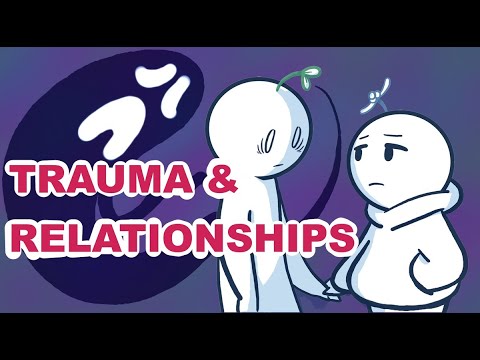
You know, relationships can be a real rollercoaster ride sometimes. One moment, everything feels perfect, and the next, you’re left reeling from something that just knocked the wind out of you.
This blog provides content for informational, educational, and reflective purposes only. The information published here does not constitute medical, psychological, or psychiatric advice, and it does not replace the evaluation, diagnosis, treatment, or individualized guidance of a properly licensed professional. If you believe you may be experiencing a psychological or health-related issue, consult a qualified professional as soon as possible before making important decisions about your well-being. Do not self-medicate or start, stop, or change medications, therapies, or treatments on your own. While we aim to provide useful and accurate information, we do not guarantee that it is complete, current, or suitable for every situation. Your use of this content is at your own risk, and reading it does not create a professional, clinical, or therapeutic relationship with the author or this website.
It’s not always easy to spot when things go south, especially when it’s mixed up with all our feelings. That’s where relationship trauma comes into play. It’s tricky stuff that can sneak up on you.
Maybe you’ve been through some tough breakups or toxic friendships? Or perhaps it was a family dynamic that still stings? Well, recognizing those signs is super important for your mental health.
I mean, nobody wants to carry that emotional baggage around forever, right? Let’s chat about some of the telltale signs of relationship trauma and how they might be messing with your head. Trust me; it’s more common than you think!
Signs You Might Be Traumatized by a Relationship: Understanding Your Emotional Health
Okay, so let’s talk about something that can get really tangled up: relationship trauma. It’s more common than you might think, and the signs can be kinda sneaky. If you’ve been feeling off after a breakup or a tough relationship, it’s worth figuring out what’s going on with your emotional health.
First off, trust issues are pretty much a hallmark of relationship trauma. Maybe you find it hard to believe what people say or you constantly question their motives. For example, if your partner was dishonest and now you feel paranoid even when your current partner is being totally chill, that’s a sign. These feelings can make connecting with others tough.
- Emotional numbness. You might notice that things that used to make you happy don’t anymore. Maybe your favorite song doesn’t hit the same way, or hangouts with friends feel flat.
- Irrational fear and anxiety. Do you feel anxious at the thought of someone getting close? Like maybe someone backs away from a hug too fast and your heart starts racing? Yeah, that’s not cool.
- Flashbacks. Sometimes memories creep in at the weirdest times—like when you’re just scrolling through social media or watching TV. Those moments can catch you off guard and leave you feeling shaken.
- Avoidance behaviors. You might find yourself dodging situations that remind you of past pain. If anything related to intimacy makes you want to run in the opposite direction, trust me; it could be because of unresolved trauma.
- Low self-esteem. Did someone knock down your confidence during the relationship? It’s hard not to internalize negative comments over time. If you’re doubting yourself more than usual, pay attention to it!
You know what else is tricky? Overreacting to minor issues. Sometimes we blow things way outta proportion because they tap into old wounds—like snapping at a friend for being late when really it’s echoing something deeper from your past relationships.
An important part is recognizing that healing takes time, seriously! Some folks try to power through it all like nothing happened. But ignoring these signs usually just leads to more pain down the road. It’s perfectly okay to seek help—therapists are trained for this stuff and can really help untangle those thoughts and feelings.
If any of this resonates with you, don’t ignore those feelings! Being aware is like flipping on a light switch in a dark room—it helps illuminate what needs fixing. So give yourself some grace on this journey; emotional health is just as important as physical health!
Signs Your Relationship May Be Impacting Your Mental Health: What to Look For
Relationships can be a huge part of our lives, but sometimes they can affect our mental health in ways we don’t even realize. You know how it goes—you start to question things about yourself or feel different, and it’s tough to pin down why. So let’s break down some signs that your relationship might not be doing you any favors.
Feeling Anxious or Uneasy
If you find yourself feeling tense or anxious when you’re around your partner, that’s a pretty clear red flag. Maybe it’s because of their mood swings or something they said that rubbed you the wrong way. It could lead to constant worrying about what will happen next. You shouldn’t feel on edge with someone you love, right?
Loss of Interest in Activities
Another thing to notice is if you’ve stopped doing stuff that used to make you happy—like hanging out with friends or hobbies you loved. Sometimes, being in a relationship where there’s conflict can drain your energy and motivation. Remember when you used to love those weekend hikes? If they’re just not appealing anymore, it could be something more.
Feeling Isolated
Do you feel cut off from friends and family? Maybe your partner prefers spending time alone together and discourages you from reaching out to others. Isolation can seriously mess with your head; it can lead to feelings of loneliness and sadness even when you’re physically together.
Constantly Walking on Eggshells
If you’re always worried about saying the wrong thing or setting them off, that’s a big deal too. Relationships should make you feel safe, not like you’re walking through a minefield. This kind of stress can really take a toll on your mental health over time.
Losing Your Sense of Self
Ever feel like you’ve changed who you are just to make your partner happy? If you’re putting their needs before your own so often that you’ve lost sight of yourself—that’s concerning! You should have space in the relationship to be yourself without compromising who you are deep down.
Mood Swings and Irritability
It’s normal for relationships to have ups and downs but watch for those wild mood swings. If the high points feel amazing but the lows are unbearable, it could indicate something deeper that needs attention—not just between the two of you but within yourself too.
Dread About Future Together
If thinking about the future with this person makes your stomach turn rather than fills you with excitement—it might be time for some reflection. Being uncertain about what lies ahead isn’t how things should feel if both partners are invested in making each other happy.
In short, if you’re noticing these signs, it’s really important to pay attention! A relationship should uplift and inspire—not bring anxiety or fear into your life. Seriously consider talking things over with a therapist for additional support; sometimes having an outside perspective helps clarify all those tangled feelings. Remember: taking care of your mental health is never selfish—it’s essential!
Understanding Trauma: 17 Key Symptoms You Should Know
Trauma is one of those things that can stick with you longer than you’d like. When we talk about **relationship trauma**, it often comes from experiences like emotional abuse, betrayal, or even just enduring a tough situation in a relationship. You might not even realize it’s affecting you until, well, you feel off. Let’s unpack some symptoms to keep an eye out for.
1. Emotional Numbness: You might notice feeling disconnected or as if you’re just going through the motions. It’s like your heart’s on mute; everything feels flat.
2. Anxiety and Panic Attacks: Ever feel that rush of panic when someone raises their voice? This kind of anxiety can stem from past relationship traumas, making seemingly normal situations feel overwhelming.
3. Trust Issues: After being let down before, trusting others can feel nearly impossible. You might constantly second-guess people’s intentions or feel like they’re hiding something.
4. Hypervigilance: This is when you’re always on edge, feeling like trouble is lurking around every corner. Your senses are heightened, and it feels exhausting.
5. Constantly Replaying Events: You might find yourself stuck in a mental loop, replaying painful moments over and over again in your head—wondering what you could’ve done differently.
6. Isolation: Pulling away from friends and family? That can be a way to cope with pain without facing it head-on. But it often only deepens the hurt over time.
7. Flashbacks: These can be pretty intense; suddenly recalling a moment of trauma as if it’s happening all over again is hard to process and can leave you feeling disoriented.
8. Difficulty Concentrating: When your mind is cluttered with unresolved feelings or memories, focusing on tasks becomes a real struggle.
9. Mood Swings: One minute you’re fine; next minute? You’re overwhelmed with sadness or anger for no apparent reason—it can be confusing!
10. Low Self-Esteem: Trauma has this sneaky way of making you doubt your worthiness or abilities—like you’re not good enough for love or happiness.
11. Feeling Unsafe: Even in situations where you should feel secure, past traumas can trigger feelings of danger that aren’t there anymore.
12. Guilt or Shame: Sometimes people carry the burden of thinking they did something wrong during their traumatic experience—even if they didn’t play any part in it at all!
13. Avoidance Behavior: You might go out of your way to avoid places or people that remind you of your trauma—a self-protective instinct kicking in.
14. Changes in Sleep Patterns: Struggling to sleep? Or maybe sleeping too much? Trauma messes with rest; nightmares may often accompany this too.
15. Substance Use**: Some folks turn to alcohol or drugs to numb their pain—it seems like an escape but often leads to more problems down the line.
16: Self-Harm**: This isn’t talked about enough but hurting yourself physically is sometimes how people try to manage emotional pain—it’s important to seek help if you’re having these thoughts!
17: Relationship Difficulties**: Finding it hard to connect intimately with others after trauma? It’s super common and makes meaningful relationships so much harder than they should be.
Recognizing these symptoms isn’t easy but acknowledging them takes strength! If any of this resonates with you, reaching out for support could be one step toward healing because nobody has to face this alone!
You know how sometimes, you meet someone and it just hits you that they’ve been through some heavy stuff? It’s not always about the obvious scars; sometimes, it’s the little things that give it away. Recognizing signs of relationship trauma isn’t just important for your own well-being but also for caring about those around you.
Think about that friend who seems to get super anxious whenever their partner is late. Or maybe they avoid talking about past relationships entirely. These can be subtle indicators of deeper wounds. You might notice they struggle with trust or have this weird push-and-pull vibe in relationships, right? That’s not just them being difficult—it can totally stem from past trauma.
I once had a buddy who ended a long-term relationship that turned toxic. At first, I thought he was just going through a rough patch. But over time, I realized he’d withdrawn from everyone. He’d flinch at sudden movements or jokes about commitment. It broke my heart to see him carry that weight alone, unsure of how to let people in again.
So much of what we experience shapes us, and if someone’s been hurt before—especially in a relationship—they might carry those patterns forward without even realizing it. It might look like emotional avoidance or feeling overly needy at times. Relationships can become this tricky dance of trying to protect oneself while yearning for closeness.
It’s essential to approach these situations with kindness and understanding. If you’ve got a friend or partner struggling with these vibes, maybe lend an ear without judgment or pressure them into sharing more than they’re ready for. Sometimes it takes tiny steps to help someone feel safe again in their relationships.
At the end of the day, recognizing these signs is all about empathy and connection. You never know how a little understanding can spark healing in someone who’s been carrying their past around like an invisible backpack full of rocks. So yeah, keep your eyes open—not just for yourself but also for others’ experiences and feelings—they’re often more complex than we think!