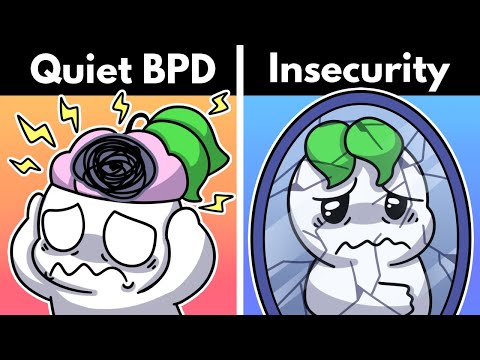
You know those days when your emotions feel like a roller coaster? Up and down, all over the place. It can be exhausting, right?
Well, if you’ve ever felt like you’re just not quite fitting in emotionally, you might be curious about something called Quiet BPD. It’s like the quiet cousin of Borderline Personality Disorder. Seriously, it’s less about the drama and more about the internal struggle.
Ever wonder if what you’re feeling is more than just everyday ups and downs? You might be looking for a little guidance. That’s where the Quiet BPD Test comes in.
It’s free, super simple, and can give you some insight into your emotional landscape. So let’s see what’s really going on under the surface!
Discovering Yourself: 4 Effective BPD Tests to Understand Borderline Personality Disorder
When you’re looking to understand yourself better, especially if you think you might be dealing with **Borderline Personality Disorder (BPD)**, those tests can really be a starting point. Seriously, knowing more about your emotional landscape can help you navigate the ups and downs that often come with BPD.
So let’s break down some common tests that folks use to get a clearer picture of what’s going on.
1. The McLean Screening Instrument for Borderline Personality Disorder (MSI-BPD)
This one’s pretty popular. It’s a quick self-report questionnaire that helps identify traits associated with BPD. Think of it as a casual chat about your feelings and behaviors—like a mini-therapy session without any pressure.
2. The Borderline Evaluation of Severity over Time (BEST)
Now, this one’s more in-depth and looks at how your symptoms evolve over time. It basically asks about stuff like emotions, relationships, and impulsivity—things that really hit home when you’re dealing with BPD.
3. The Emotion Regulation Questionnaire (ERQ)
Emotions can feel like a rollercoaster ride when you’re grappling with BPD, right? This test focuses on how you manage those wild feelings. It dives into whether you tend to suppress them or if you let them flow freely—helpful stuff to know!
4. The Quiet Borderline Personality Disorder Test
Some people find themselves identifying more with the «quiet» side of BPD—where internal feelings are intense but may not show up outwardly as much. This test gives insights into that emotional landscape without the external drama.
Using these tests isn’t about slapping a label on yourself; it’s more like shining a light on things you’ve felt in the dark for too long. You fill them out based on your experiences, so it’s super personal.
But hey, let’s remember: just taking these tests doesn’t mean you’ve got BPD or don’t; it’s just part of the process of exploring yourself. If something feels off or confusing after taking them, chatting with a therapist can provide clarity and support.
So there you have it! Some tools to help pave the way in understanding your emotions better when looking at Borderline Personality Disorder!
Discover Your BPD Risk: Take Our Free BPD Test and Get Instant Results!
Borderline Personality Disorder (BPD) can feel like riding a roller coaster, right? It’s got ups and downs that can be really intense. You might notice feelings swinging wildly, relationships being super challenging, and emotions just hitting harder than you expect. The thing is, figuring out if you might have BPD isn’t something to take lightly.
A BPD test can provide some insights into your emotional landscape. It’s a tool that folks use to reflect on their feelings and behaviors. But let’s be clear: while these tests can help highlight certain patterns, they’re not a formal diagnosis. You still need a mental health professional for that part.
When it comes to Quiet BPD, it’s like being on the inside of that emotional turmoil without the usual outward signs. You may not appear overly dramatic but might still feel overwhelmed inside. Imagine someone who looks calm but feels like they’re battling a storm within—that’s pretty much it.
Some key things to consider if you’re taking this kind of test include:
- Emotional Instability: Do your feelings change quickly? One moment you’re happy, and the next you’re not.
- Fear of Abandonment: Do small things—like a friend not texting back right away—make you feel anxious or afraid they might leave?
- Relationship Issues: Are patterns in your relationships rocky or turbulent? Like feeling really close one day and then cut off the next?
- Sensitivity to Criticism: How do you handle feedback? Does even mild criticism hit hard?
- Self-Image Fluctuations: Do you struggle with how you see yourself? Sometimes feeling great but also low about who you are?
After taking the test, it’s common to get some instant feedback about where you’re at emotionally. This can give you an idea of which areas in your life feel chaotic or confusing.
So here’s what I think: That initial step towards understanding yourself better is super important. If the results raise some flags or leave you with more questions, don’t hesitate to reach out for support—talking things through with someone who gets it can make a huge difference.
Just remember: Many people walk this path, so you’re not alone in figuring out your feelings and experiences!
Discover Your BPD Traits: Take Our Free Quiet BPD Test Today!
One thing to know about **Borderline Personality Disorder (BPD)** is that it can show up in different ways. There’s this less-talked-about version called **Quiet BPD**. Now, instead of going all out with emotions, people with Quiet BPD often internalize their feelings. This means they might seem calm on the outside while dealing with a storm on the inside.
Thinking about taking a free test to check for Quiet BPD traits? That’s great! It could be a good starting point to understand your emotional landscape better. Here’s a look at some common traits you might see popping up:
- Emotional Intensity: You could feel emotions much more strongly than others around you but keep it to yourself.
- Fear of Abandonment: Even if you don’t express it, you may worry constantly about people leaving or rejecting you.
- Self-Criticism: You might be super hard on yourself, thinking you’re not doing enough or failing at life.
- Dissociation: Sometimes you may feel detached from reality or like you’re watching your life happen from afar.
- Difficulty in Relationships: You may struggle to connect deeply with others because of your fears or feelings.
Imagine having a friend who seems perfectly fine, laughing and joking around with everyone. But deep down, they’re battling intense feelings of loneliness and fear that no one really gets them. That’s the kind of quiet struggle people can have with this form of BPD.
Taking a test can help shed light on these feelings and behaviors that might be confusing for you. While it won’t give you a diagnosis—only a professional can do that—it can provide insights into what you’re experiencing.
However, remember that traits alone don’t define who you are. They’re just pieces of the puzzle that make up your emotional world. Being aware of these traits lets you start thinking about what support or tools could help in navigating them better.
And hey, whatever the outcome is from taking this test—don’t forget it’s always okay to reach out for help if things feel really heavy. Identifying these traits can be the first step towards understanding yourself more fully and finding paths to feeling better emotionally!
You know, people often talk about Borderline Personality Disorder, or BPD, but there’s this thing called “Quiet BPD” that doesn’t get enough airtime. It’s like the shy cousin in the family of mental health conditions. You might not be loud and erratic, but there are still intense feelings bubbling under the surface.
I remember a friend sharing how they felt like they were on a rollercoaster—but instead of screaming, they just sat quietly, feeling everything deeply. They described moments of feeling invisible, even when surrounded by friends. That feeling? It can be so isolating. You look perfectly fine on the outside, yet inside? Well, it’s a different story.
Assessing your emotional landscape can really help here. There are tests out there that don’t charge you a dime (seriously!). They help you figure out if Quiet BPD vibes with you. It might seem a bit daunting to take one of those tests—you’re basically holding up a mirror to yourself. But it can also be a relief! You get to see your emotions validated and maybe understand why certain patterns keep popping up in your life.
It’s all about recognizing those feelings—the emptiness, the fear of abandonment—but without all the external chaos that usually comes with traditional BPD. So if you’ve ever felt like you’re stuck in this emotional tug-of-war while appearing calm on the outside? Taking some time to assess could be super insightful for you. Just, be gentle with yourself through it all!