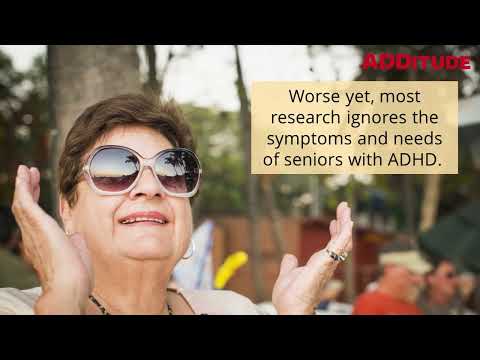
You know, ADHD isn’t just for kids. Seriously.
A lot of folks think it fades away as you get older. But that’s not what’s happening for everyone.
In fact, many older women are navigating life with ADHD and don’t even realize it. It’s wild, right?
Imagine juggling work, family, and everything else while your mind feels like a hamster on a wheel—exhausting!
Let’s chat about what those symptoms look like in older women and why it really matters to recognize them. You with me?
Understanding High Functioning ADHD in Females: Key Symptoms You Should Know
Let’s talk about high functioning ADHD in females, which can really be a tricky topic. A lot of times, we think ADHD is just this thing boys have, running around and making noise. But for girls and women, it can look pretty different. Seriously, it’s often less obvious and way more nuanced.
First off, what does “high functioning” even mean? Well, it basically refers to someone who can manage daily life pretty well despite having ADHD symptoms. It’s like they’re juggling responsibilities, such as work or family, but underneath all that hustle, they could be struggling silently.
One key symptom you should know about is inattention. This isn’t just about being forgetful. For women with high functioning ADHD, it might show up as difficulty focusing during meetings or losing track of time while working on a project. You might find yourself thinking of ten different things at once. Ever been in a conversation and suddenly realized you don’t remember anything the other person said? Yeah, that’s common.
Another thing is emotional dysregulation. This sounds all fancy but basically means feeling your emotions much more intensely than others might. Imagine feeling really happy one moment and then suddenly sad over something small. It can feel like riding an emotional rollercoaster! Not fun at all.
- Women often experience anxiety, which can come from trying to keep everything together while dealing with these intense feelings.
- Impulsivity is another symptom; this doesn’t always mean making crazy decisions like buying a sports car out of the blue. It could be stuff like interrupting conversations or blurting out thoughts without meaning to.
- Perfectionism, kind of ironic when you’re struggling with focus! Many women feel they have to do things perfectly to compensate for their challenges—leading to serious burnout.
- If you notice yourself chronically procrastinating on tasks even if you’re capable of completing them—welcome to the club! This stems from a mix of overwhelm and feeling unfocused.
- Sensitivity to criticism: getting feedback can feel way more personal than it should; this is tied into that emotional aspect I mentioned earlier.
You know how sometimes people seem “all together” on the outside but are melting down inside? That’s what being high functioning with ADHD can look like for many women. It might not get noticed until some serious stressor pops up—a life change or a big transition—and then it becomes hard to manage everything at once.
If any of this sounds familiar, it’s totally worth chatting with someone who gets it—like a therapist who specializes in adult ADHD. They can help you understand your experiences better and provide some strategies for managing those symptoms without sacrificing your day-to-day life.
The reality is that high-functioning ADHD in females often goes undiagnosed way too long; it’s only coming into focus now thanks to increasing awareness around mental health issues among women. Just remember—it’s okay not to have everything under control all the time! You’ve got this!
Understanding Female ADHD: Essential Tests and Insights for Diagnosis
When it comes to ADHD, a lot of people picture hyperactive little boys bouncing off the walls, right? But here’s the thing: ADHD can show up differently in women and girls. Especially as they get older, symptoms can be subtle and often overlooked. Understanding this is super important for their mental health.
So, let’s break down the essentials. First off, what are some common ADHD symptoms in older women? You might see things like:
- Inattention: Difficulty focusing on tasks or getting easily distracted.
- Disorganization: Struggling to keep things in order, whether it’s a messy home or a chaotic schedule.
- Forgetfulness: Misplacing keys or forgetting appointments more often than usual.
- Emotional Dysregulation: Experiencing intense emotions or mood swings that feel out of control.
You wouldn’t believe how many women go through life thinking they’re just “scatterbrained” or “not good at juggling things.” Trust me; you’re not alone in feeling that way. A friend of mine recently shared her experience with this: she always thought her disorganization was just part of her personality. After years of frustration, she finally got assessed and found out she had ADHD. It was like a lightbulb went off for her—everything clicked into place.
Now, when it comes to diagnosis, the process typically involves some essential tests and insights. Here are the general steps involved:
- A clinical interview: A healthcare provider will chat with you about your symptoms and history. This is where they’ll ask about your childhood behaviors too.
- S standardized questionnaires: You might fill out forms that help identify ADHD traits compared to those without it.
- An observation period: Sometimes your therapist may observe you in settings where attention issues may arise (like during meetings).
A few myths about ADHD need debunking too—like that it only affects kids or that women can easily manage their symptoms without support. The truth is that many older women don’t even realize they have ADHD until after significant challenges hit them—maybe during a career shift or after kids leave home when life gets quieter but somehow more chaotic.
The fact is many of these women have been masking their symptoms for decades. They develop coping strategies that might seem effective short-term but can lead to burnout eventually. Remember my friend? She had spent years trying different planners and apps but barely made any noticeable improvements until she got proper help.
If you suspect you or someone you know might be dealing with female ADHD, detailed evaluation, appropriate testing, and understanding emotional nuances are key steps to consider for finding relief and balance moving forward.
The takeaway here? Recognizing these signs can make all the difference—it can literally change lives by providing clarity amidst confusion! So let’s keep talking about this; it really matters!
Understanding Untreated ADHD in Adult Women: Symptoms, Challenges, and Solutions
Understanding untreated ADHD in adult women is like peeling back layers of a really complex onion. Seriously, it’s not just about being distracted or hyper; it can impact various areas of life in ways you might not even realize. Let’s break it down.
Symptoms of Untreated ADHD in Adult Women
For many women, symptoms can be pretty subtle and often go unnoticed for years. Some common signs include:
So, yeah, untreated ADHD often gets brushed aside as just «you being you.»
The Challenges
Living with untreated ADHD presents its own challenges too. One woman I know has shared how she often feels overwhelmed by everyday tasks. Like managing her job and home life just seems impossible sometimes. She forgets appointments or feels constantly late because she loses track of time—classic ADHD stuff.
Additionally, society often expects women to be organized and nurturing. When they don’t fit into that mold because of ADHD, they may face judgment from others or feel inadequate.
The Solutions
Addressing untreated ADHD isn’t one-size-fits-all—there are several avenues worth exploring:
So what can help? A mix of therapy, maybe some meds if needed, and chatting with others who relate can make such an impact.
Overall, recognizing the signs and challenges linked to untreated ADHD in adult women is crucial. It opens the door for better mental health outcomes and richer life experiences!
You know, sometimes we think of ADHD as something that mainly affects kids—like that hyperactive little boy who can’t sit still in class. But here’s the thing: many women, especially older ones, might be struggling with ADHD and not even realize it. It’s kinda wild how symptoms can fly under the radar for so long.
I remember chatting with a friend of mine, let’s call her Lisa. She’s in her late fifties and has always felt out of place. Like, she was super organized at work but couldn’t keep track of her personal life—mail would pile up, and she’d often forget appointments. A few months ago, she finally sought help for what she thought was just “getting older.” Turns out, it’s a form of ADHD! Can you imagine that? After all these years!
So what are some symptoms to look out for? Well, it could be things like difficulties focusing, forgetfulness, or feeling overwhelmed by everyday tasks. Older women might also face external pressures—like family responsibilities or career demands—that make these symptoms even harder to spot. It’s easy to chalk them up to stress or age-related changes. But that’s where things get tricky.
A lot of times, these women have developed coping strategies without even knowing they had ADHD. They might over-prepare for tasks or become perfectionists just to manage the chaos in their minds. And when they finally realize what’s going on? It’s such a relief but can also be a bit heartbreaking—they’ve spent years not understanding themselves fully.
Recognizing ADHD symptoms is crucial because it opens doors to support and treatment options that can genuinely improve quality of life. It’s about understanding your brain works differently and being kinder to yourself about it.
So if you’re feeling a bit lost or know someone who might be? It’s absolutely worth diving into this topic more deeply. You never know whose lives you could change by just having an open conversation about mental health and recognizing those symptoms together!