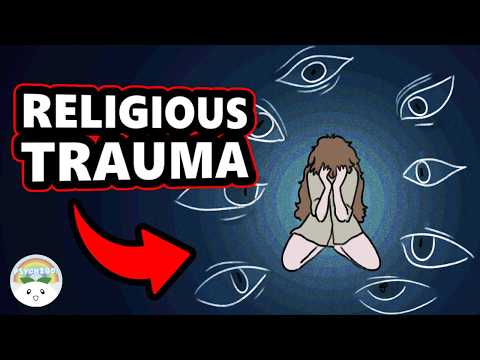
You know, life throws a lot at us. Sometimes, it can feel like we’re drowning in emotions we can’t quite put our finger on.
Have you ever felt this weird heaviness in your chest after a religious experience or a spiritual moment? It’s not just you.
Spiritual trauma is a thing, and it messes with our mental health in ways we often overlook.
It’s that uncomfortable feeling when something that once brought you peace starts to feel toxic. Like, how did we get there?
Let’s talk about what those signs look like and why it matters to recognize them. You might be surprised by how connected your mind and spirit really are.
Recognizing Religious Trauma: Key Signs and Self-Assessment Guide
Recognizing religious trauma can be totally challenging. If you’ve grown up in a strict religious environment or experienced some heavy stuff related to faith, it might leave you feeling confused, anxious, or even isolated. You’re not alone if you’re questioning those beliefs or feeling guilty about your doubts.
Emotional Effects: You might experience intense feelings like shame, fear, or anger when you think of your past experiences. For instance, maybe you were taught that questioning your faith was sinful, and now all those questions just flood back like a tidal wave. It’s tough to sort through emotions that feel both familiar and painful.
Physical Symptoms: Sometimes, this kind of trauma shows up in the body. You might feel persistent aches, headaches, or have trouble sleeping. It’s like your body is holding onto stress without you even realizing it. Ever notice how a crowded place can suddenly make you feel overwhelmed? That’s real.
Disconnection from Self: A key sign is feeling disconnected from who you really are. You may find yourself struggling with identity issues—like wondering what parts of your beliefs are truly yours and which were imposed on you. This dissonance can cause confusion about your values and life direction.
Difficulty Trusting Others: If you’ve experienced betrayal within a religious context—like being hurt by someone who should have been a safe space—it’s natural to become wary of forming new relationships. Trust doesn’t come easy after that kind of hurt; it takes time and healing.
Cognitive Dissonance: This is when your thoughts and beliefs clash with each other. For example, if you’ve been told that love is unconditional but then faced harsh judgment for not adhering strictly to certain rules—well, that can create a mental tug-of-war that’s exhausting!
To get a better grip on where you’re at, self-assessment can help:
- Reflect on Past Experiences: Consider your upbringing—what messages did you receive about faith? Were they supportive or shameful?
- Ponder Your Feelings: How do certain religious symbols or conversations make you feel? Do they bring comfort or dread?
- Evaluate Your Beliefs: Write down what matters most to you now versus what was expected before.
- Acknowledge Triggers: Notice situations that provoke strong reactions in you; these could reveal unresolved feelings.
Overall, recognizing these signs and assessing where you’re at is super important for healing from religious trauma. Remember: it’s okay to seek help from someone who gets this stuff too—a therapist with knowledge in this area can provide crucial support as you work through these layers of experience. You deserve peace in both your spirit and mind!
Recognizing the Warning Signs: Key Red Flags of Spiritual Abuse
Spiritual abuse is a tricky topic. A lot of people might not even realize it’s happening to them until they’re deep in it. The thing is, spiritual abuse can really mess with your mental health, so you should be aware of the red flags.
One major warning sign is **manipulation**. If someone’s using guilt or fear to control your spiritual practices or beliefs, that’s a big red flag. For instance, if you hear things like “You’ll go to hell if you don’t follow my teachings,” that’s definitely not healthy.
Another sign is **isolation**. Has someone tried to cut you off from friends or family who might question their authority? That’s a way to keep you dependent on them and can make you feel trapped. You might remember a time when a friend seemed distant because they were told their outside relationships were wrong.
Watch out for **extreme judgment** as well. If someone in your spiritual circle constantly criticizes your choices or beliefs, and makes you feel less than, that isn’t right. You should feel uplifted, not torn down.
Then there’s **the misuse of scriptures** or teachings. Sometimes individuals twist religious texts for their personal gain or agenda. It’s like saying something completely different from what the original message intended. Kind of reminds me of those times when a teacher would take one phrase and run with it without context—confusing, right?
Let’s talk about **lack of accountability** too. Individuals who refuse to admit mistakes or take responsibility for harmful actions often create toxic environments. Seriously—everyone makes mistakes!
Another important point is **conditional love**. In many healthy spiritual communities, love and support are given freely. But if you’re only loved when you meet certain expectations or standards? That feels really off.
So if you’re feeling trapped, judged, isolated, manipulated—or any combination of these—it’s good to talk about it with someone you trust outside that environment. Trust me; having another perspective can really help clarify things.
Understanding Religious Trauma: Take the Test to Evaluate Your Experience
Recognizing religious trauma can be a complex journey. You know, many people don’t even realize they’re experiencing it until they take a moment to reflect on their feelings and experiences. If you’ve ever felt burdened or damaged by your religious upbringing or community, then you might be dealing with some form of it.
Religious trauma often stems from teachings, practices, or experiences that have caused emotional pain. It’s not just about the beliefs themselves but how those beliefs were imposed on you. Some communities can be super strict or even abusive—emotionally or psychologically—and that can leave lasting scars.
So, what are some key signs of spiritual trauma? Here are a few things to consider:
- Fear of Judgment: If you feel anxious about being judged by God or others in your faith community, that’s a red flag. It can create immense pressure.
- Guilt and Shame: These emotions often run deep in certain religious frameworks. If you’re constantly feeling shame over your thoughts or actions, it might come from traumatic teachings.
- Avoidance of Spirituality: If the mere idea of religion makes your heart race or fills you with dread, that is significant. You might fear that you’ll face hostility for questioning things.
- Loss of Identity: Sometimes people lose themselves while trying to fit into mold created by their faith tradition. If you were pressured to act in certain ways and now feel confused about who you really are, that’s tough.
A friend of mine had this experience growing up in a really strict religious environment. She told me about always feeling like she was walking on eggshells. One day, she accidentally asked questions during service—questions that made the elders uncomfortable—and boy, did she regret it! The backlash made her doubt her own worth for years after.
Now let’s talk about the test. Evaluating your experience isn’t as straightforward as filling out a questionnaire; it’s more like checking in with yourself. Try asking these questions:
- Do I feel relief when I distance myself from religious communities?
- Are my beliefs causing me more pain than comfort?
- Do I struggle with feelings of unworthiness tied to my spiritual upbringing?
Taking time to reflect on these feelings can help you untangle some serious knots tied around spirituality and self-worth.
If you’ve recognized signs within yourself and are feeling overwhelmed, it’s completely okay to seek help—even if it’s just talking things through with someone who understands! Therapy can provide tools for processing those emotional wounds and finding peace in your own beliefs (or even none at all).
Remember: healing is possible! And figuring out how you’ve been impacted is an important first step toward reclaiming your life and beliefs on *your* terms!
You know, when we talk about trauma, it’s often wrapped up in physical or emotional experiences—like accidents or relationships gone wrong. But spiritual trauma? That’s a whole different ballgame. It’s about those deep, soul-level wounds that can mess with how you see yourself and the world around you.
I remember a friend of mine who grew up in a super strict religious environment. She always felt like she was walking on eggshells, trying to meet expectations that seemed impossible. Over time, she started to wrestle with anger and confusion, feelings that crept into her mental health in ways she couldn’t quite pinpoint. It wasn’t just about disagreements with faith; it was more profound—this sense of disconnect from herself and what she believed. That’s spiritual trauma. It’s the unhealed hurt that lingers long after the event.
Recognizing signs of this kind of trauma can be tricky because they’re not always obvious. You might notice someone feeling intense guilt for their beliefs or questioning everything they grew up knowing. It could look like a loss of joy in what once brought fulfillment or even isolation from community as they try to navigate their feelings alone. Maybe they’re prone to anxiety or depression that seems tied to these deeper questions about purpose and belonging.
People might also find themselves caught in a cycle of self-doubt or feeling unworthy, which can be exhausting! It’s as if their spirit is weighed down by invisible chains, making it hard just to live day-to-day without this background hum of distress.
That’s why talking about spiritual trauma is essential—it helps peel back layers of mental health struggles that sometimes get overlooked. Recognizing these signs could be the start of healing for someone stuck in their pain, allowing them to rediscover joy and connection again.
So if you feel like something’s just not sitting right in your inner world, it’s okay to reach out for help! Sometimes just getting it all out there—those doubts and fears—can bring clarity and open the door to healing that might have felt locked before. You owe it to yourself!