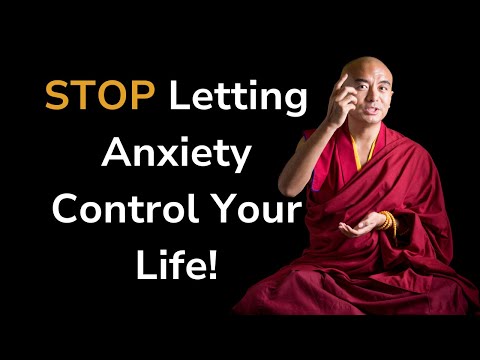
You know that feeling when anxiety hits you like a ton of bricks? It can be rough, right? Well, here’s the thing: there are some pretty cool ways to handle it.
Buddhist meditation techniques are one of those things. They’re like little tools you can carry with you. Seriously, they help bring that chaotic mind of yours back together.
Ever sat down, closed your eyes, and just… felt the world spin? You’re not alone. Many people find peace through these practices. Let’s chat about how they can help you chill out and find your center amidst all the noise. Sound good?
Exploring Buddhist Practices for Managing Anxiety: Techniques for Mindfulness and Peace
Anxiety can really take a toll on you, right? Especially when life’s pressures seem to pile up. That’s where Buddhist practices, like mindfulness and meditation, can step in to help you find more peace in your everyday life. Let’s break this down.
First off, **mindfulness** is all about being present. It’s like training your brain to pay attention to what’s happening *right now*, instead of spiraling into worries about the future or ruminating over the past. You know that feeling when you’re so caught up in your thoughts that you forget what’s around you? Mindfulness helps cut through that.
Think about it: when you’re stuck in a cycle of anxiety, taking just a moment to breathe and notice your surroundings can pull you back. This might mean feeling the texture of something nearby or listening intently to sounds around you. It awakens your senses and can almost feel grounding, ifyou follow me?
Meditation techniques are where things get even deeper. Here are some common practices:
- Breath Awareness: Inhale deeply through your nose, hold for a second, and exhale slowly through your mouth. This focuses your mind on the rhythm of your breath—great for calming racing thoughts.
- Body Scan: Lie down comfortably and mentally check in with each part of your body from head to toe. It’s like saying hello to all those tense spots! You might even feel some tension release as you go.
- Loving-kindness meditation: This one involves wishing well for yourself and others. Picture someone you care about, send them kind thoughts like “May you be happy,” and then extend that goodwill outward.
Let’s talk a bit about how these practices tie into Buddhist philosophy. It emphasizes **non-attachment**, which might sound heavy but really means learning not to cling too tightly to thoughts or feelings—especially those pesky anxious ones! When anxiety pops up, instead of pushing it away, acknowledge it without judgment; it’s part of being human.
You know how sometimes emotions hit hard and fast? They can feel overwhelming. But by noticing them mindfully without acting on them (like stressing out more), you’re taking back some power over how they affect you.
A friend once shared this wild experience: she was at work feeling the pressure ramping up. Instead of letting her anxiety spiral outta control, she paused and practiced that breath awareness technique I mentioned earlier—just for a couple minutes at her desk—and it shifted everything for her! She felt more centered and able to tackle the tasks ahead without that tight anxiety cloud hanging over her.
In summary, using these Buddhist practices is all about incorporating **mindfulness**, embracing non-attachment, and fostering compassion both for yourself and others. These techniques can not only help with anxiety but also lead toward a deeper sense of peace—a little oasis amidst life’s chaos.
Give yourself a chance to explore these approaches—they could become important tools in navigating those anxious moments effectively!
Discover the Powerful Six-Word Mantra to Alleviate Anxiety
Feeling anxious is something everyone experiences at one point or another, right? Well, what if I told you there’s a simple six-word mantra that could help cut through some of that anxiety? This idea actually comes from Buddhist meditation techniques, which focus on mindfulness and being present. So here’s a breakdown of how this can work for you.
The six-word mantra often mentioned is: «May I be safe, happy, healthy, free.» Each word carries weight and meaning. Let’s break it down a bit:
- May I be safe: This phrase reminds you to acknowledge your need for safety. When anxiety hits, your mind can spiral out of control. By focusing on being safe—physically and emotionally—you steer your thoughts toward comfort instead of fear.
- Happy: Happiness isn’t always easy to grab onto when you’re stressed. Saying this reminds you it’s not just about being okay but embracing joy—even in small moments.
- Healthy: This isn’t just about physical health; mental health matters too! Acknowledging your well-being invites you to consider how stress affects you and encourages self-care.
- Free: Free from worry, free from the weight of expectations. It’s a call to let go of burdens and give yourself permission to feel light.
You know what I find interesting? Think about someone you care about—maybe they’ve been feeling overwhelmed lately. Imagine saying these words to them: it shifts the focus away from their worries and invites in compassion instead.
The way this mantra works is pretty cool because it aligns with mindfulness practices. Meditation teaches us how to be present, right? When repeating these words quietly or even out loud when anxiety creeps in, you’re creating a moment for yourself—a pause amid chaos.
If you’re thinking this is too good to be true or maybe a little cheesy, that’s totally fair! But consider situations where deep breathing works wonders for calming nerves before an exam or presentation. It’s similar here; the mantra helps ground you when life feels too fast-paced or overwhelming.
A friend once shared they used this mantra during particularly tough times—like when starting a new job that caused major anxiety. They’d repeat it during breaks; just taking those few moments created little pockets of peace throughout their day.
So yes, while there are many ways to tackle anxiety out there—from therapy to medication—the six-word mantra offers something simple yet powerful. It encourages us not just to cope but also actively create space for positivity in our minds.
Understanding the Holistic Approach to Managing Anxiety: Techniques for Mind, Body, and Spirit
Managing anxiety is a bit like peeling an onion—you’ve got to address multiple layers. A holistic approach means looking at your mind, body, and spirit altogether. It’s about finding balance and not just throwing pills at the problem. So, let’s break it down.
Meditation is a fantastic tool in this mix. Think of it as a mental workout. Regular practice can help you become more aware of your thoughts and feelings without getting swept away by them. Have you ever sat quietly and felt everything settle? That’s meditation doing its magic.
Here are some key techniques that might help:
- Breath Awareness: Focusing on your breath grounds you in the present moment. Try inhaling deeply through your nose, holding for a moment, then exhaling through your mouth. This simple act can bring calmness when anxiety strikes.
- Body Scan: This is all about tuning into your body sensations. Lie down comfortably and slowly pay attention to each part of your body from head to toe, noticing any tension or discomfort. It helps release pent-up stress.
- Loving-kindness Meditation: Sending out love and compassion—first to yourself, then extending it to others—can soften feelings of anxiety. You imagine sending well wishes to people in your life or even pets! It creates positive energy.
- Mindfulness: This means being fully present in the moment without judgment. You can practice it while eating or walking; just be aware of what you’re doing and how you’re feeling.
Now, bringing in the body aspect, regular physical activity also plays a vital role in managing anxiety. Exercise releases endorphins—those lovely chemicals that make you feel good! Whether it’s yoga or just going for a stroll, moving your body helps reduce stress.
Then there’s the spirit component. Engaging with nature can uplift your spirit immensely! Just being outside can provide peace and help clear your mind. Plus, connecting with others—like friends or community groups—creates a support system that makes dealing with anxiety way easier.
One time I was overwhelmed by life stuff; work was hectic, personal issues were brewing, you know? I started practicing some of these techniques regularly: I’d sit for a few minutes every morning just breathing deeply and noticing my thoughts without judgment—and wow! The fog lifted gradually.
So remember, managing anxiety isn’t just about one thing; it’s about embracing the whole picture—the mind’s chatter, the body’s movement, and nurturing where our spirits lie. It takes time but giving yourself permission to explore these holistic methods might transform how you deal with anxious moments—and isn’t that what we all want?
You know, anxiety can feel like this heavy weight on your chest, right? It’s that annoying little voice that keeps whispering all the «what ifs» and «should haves.» I remember a time when I was just lying in bed, my mind racing through all the things I had to do or might mess up. It totally sucked. That’s when a friend suggested I try some techniques from Buddhist meditation. At first, I was skeptical—meditation seemed so… vague? But honestly, it turned out to be pretty grounding.
Buddhist meditation isn’t just about sitting in silence and humming. It’s more like a way to train your mind to focus and find calm. One of the techniques that really stood out for me is mindfulness meditation. Basically, it’s about being present—like really being there with whatever you’re feeling instead of pushing it away. If you feel anxious, you acknowledge it: “Hey, I’m feeling anxious right now.” And then you just breathe through it.
Engaging with your breath helps too. There’s this concept in Buddhist practice called “anapanasati,” which is all about being aware of your breathing. You take long, slow breaths and focus on how it feels as air fills your lungs. Sounds simple, but let me tell you—it shifts your attention away from the anxiety that’s swirling around like a tornado in your head.
Another technique is loving-kindness meditation. This one can feel a little gooey at first because you’re basically sending yourself good vibes—but hear me out! You think of someone you care about and wish them happiness and peace. Then you turn that compassion inward toward yourself too. It’s wild how powerful this practice can be for easing those anxious vibes; it cultivates a sense of connection rather than isolation.
So when anxiety starts creeping back in—believe me, it’s persistent—I try these meditative techniques to meet that little voice with kindness instead of panic. It’s like having a comforting cup of tea for my mind; soothing and warm.
Even if you’re not super into spirituality or meditation as a whole, give some of these techniques a shot next time you’re feeling overwhelmed. It could make a difference—for real! Just be patient with yourself; it’s not always smooth sailing at first. But over time? You might find moments of peace hiding where anxiety used to take charge!